UN
UN 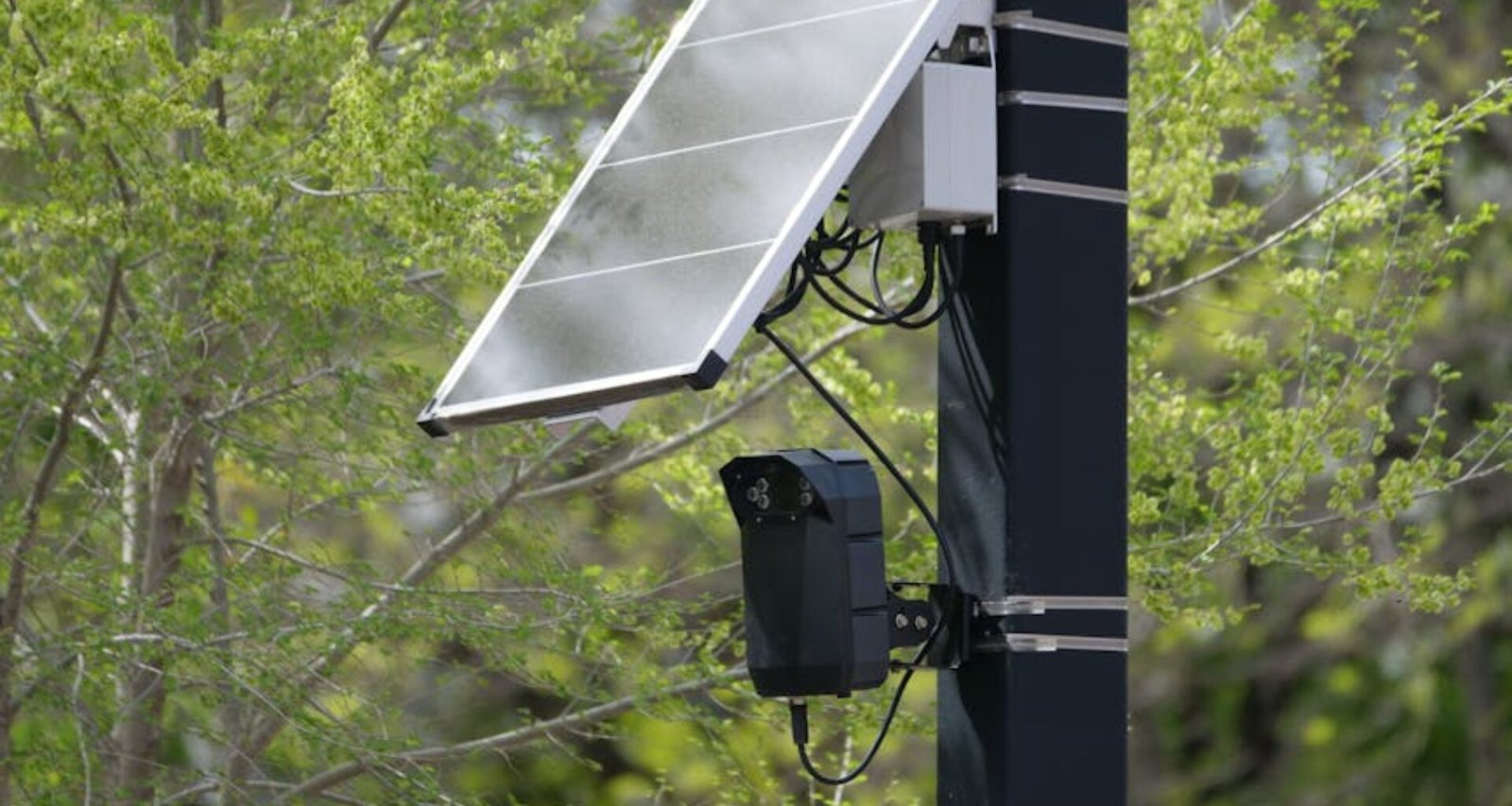
Koalas, iconic Australian marsupials facing numerous survival challenges, are increasingly at risk from vehicle collisions as they navigate fragmented habitats disrupted by human activities. Deforestation, urban expansion, diseases, and devastating bushfires have all contributed to shrinking and isolating koala populations. As these animals cross roads to move between remaining forest patches, the risk of fatal vehicle strikes has surged, posing a critical conservation concern.
In response, researchers have developed an innovative AI-driven camera system designed to detect koalas near roadways in real time. By employing advanced image recognition technology, these cameras can identify koalas approaching road crossings and trigger warning signals to alert drivers, potentially preventing collisions. This approach represents a promising integration of artificial intelligence and wildlife conservation efforts.
Experts highlight that this technology could play a significant role in reducing wildlife mortality on roads, a key factor in the decline of many species globally. Dr. Emily Harris, a wildlife ecologist specializing in habitat connectivity, notes, “The intersection of AI and conservation offers practical solutions that can mitigate human-wildlife conflicts, helping preserve vulnerable species like koalas as their habitats become increasingly fragmented.”
Beyond immediate safety benefits, the AI system contributes valuable data on koala movement patterns, informing future habitat restoration and urban planning strategies. By understanding where and when koalas cross roads, authorities can prioritize areas for wildlife corridors or underpasses, enhancing landscape connectivity and long-term species survival.
While technology alone cannot reverse threats such as habitat destruction and climate change-induced fires, integrating AI tools into conservation frameworks exemplifies innovative, scalable methods to support biodiversity. As human infrastructure continues to intersect with natural environments, solutions like AI-powered monitoring systems are vital for safeguarding wildlife and advancing Sustainable Development Goal 15: Life on Land.