




 UN
UN 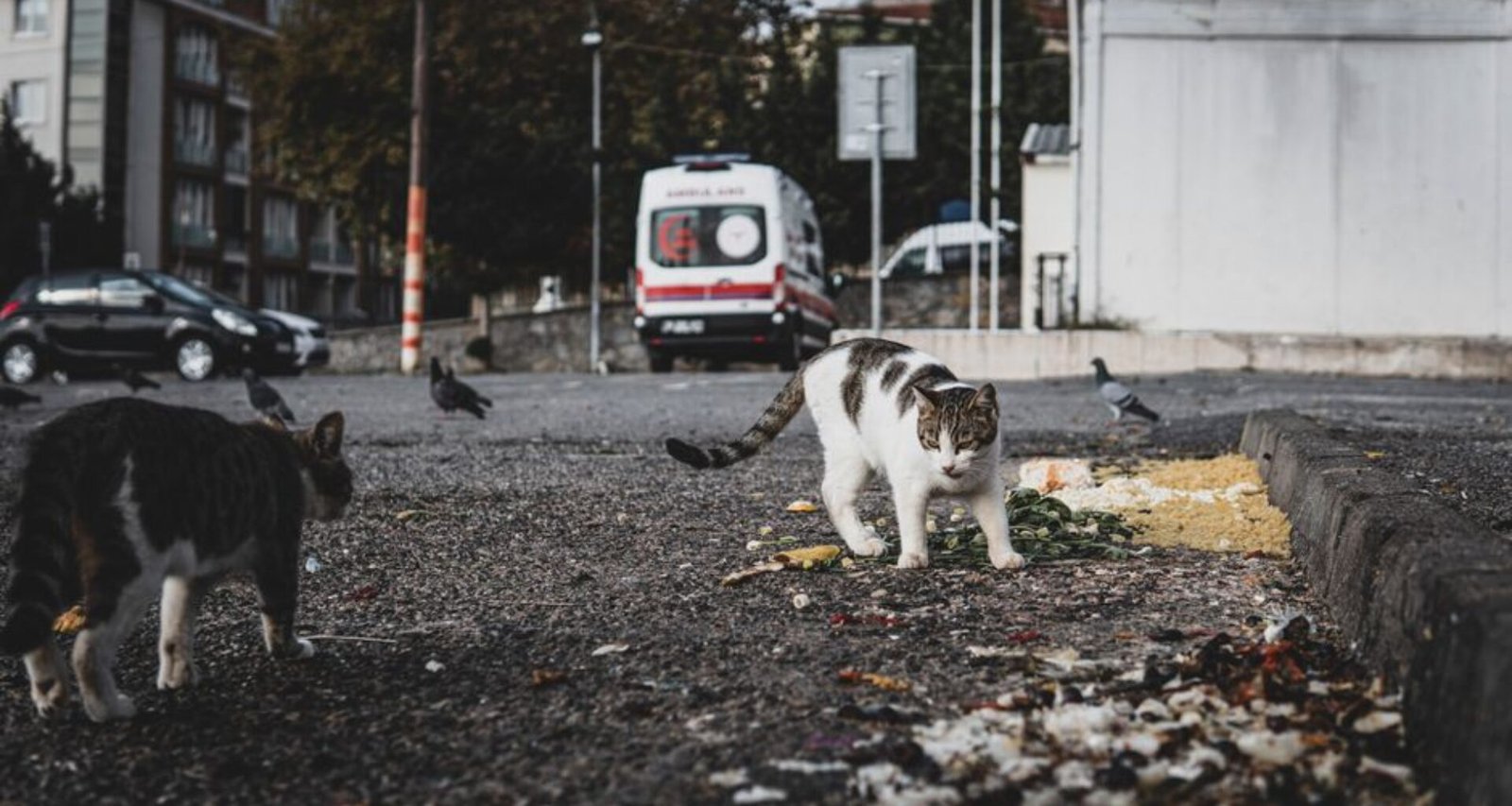
Across Manhattan’s humid August streets, a new study is drawing attention to an underreported urban health risk: free-roaming cats acting as ‘super-shedders’ of parasites. Researchers, working with the support of Bideawee, a major New York animal shelter, have documented that tens of thousands of stray and feral cats in the city are contributing disproportionately to environmental contamination by parasites such as Toxoplasma gondii.
The study, released this week, highlights a handful of cats that excrete parasite eggs at rates far above the average, posing challenges for both urban wildlife and public health. One Midtown veterinary scientist involved in the research noted that a single super-shedder can contaminate a city block’s soil for months, especially in densely used parks and playgrounds during summer vacation season.
New York City lacks an official count of its stray cat population, but Bideawee’s current estimate exceeds 40,000 animals citywide. This density means the effects of even a small cohort of super-shedders ripple widely, with parasite eggs surviving in outdoor environments through the peak of summer. Children, outdoor workers, and pets are at particular risk, especially in neighborhoods with limited green space management.
City officials have yet to announce any new mitigation policies in response to these findings. While animal welfare groups have advocated for trap-neuter-return (TNR) programs as a population control measure, the latest data suggests that targeted intervention aimed at identifying and managing super-shedders could be necessary for measurable progress by 2026. Experts warn that without coordinated action across municipal agencies, the parasite burden—and its public health implications—will likely intensify during the current and future summer seasons.
Frequently Asked Questions
How many stray and feral cats are estimated to live in New York City?
Bideawee estimates that over 40,000 stray and feral cats live in New York City.
What parasite risk is associated with free-roaming cats in NYC?
Free-roaming cats in NYC are significantly increasing the risk of parasites such as Toxoplasma gondii, which can contaminate soil and pose public health risks.
What is a ‘super-shedder’ cat?
A ‘super-shedder’ cat is one that excretes parasite eggs at rates far above average, contaminating city blocks for months.
Who is most at risk from the parasites spread by NYC’s stray cats?
Children, outdoor workers, and pets are particularly at risk, especially in neighborhoods with limited green space management.
Has New York City announced any new policies in response to the study on cat-borne parasites?
City officials have not yet announced any new mitigation policies in response to these findings.