



 UN
UN 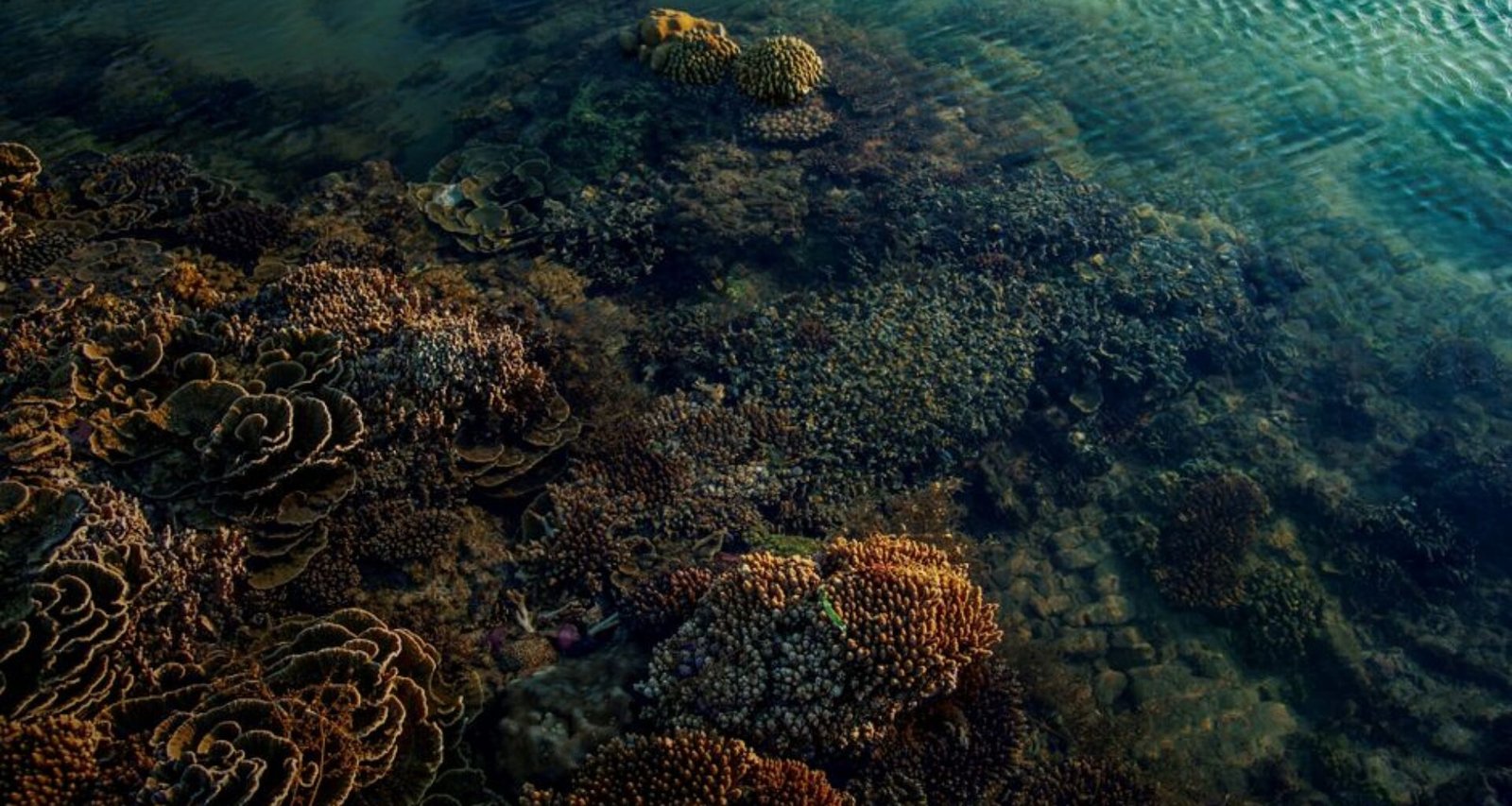
On Thursday morning, researchers aboard the Schmidt Ocean Institute’s R/V Falkor docked in Valparaíso, Chile, shared sobering results from their latest expedition: seamount ecosystems in the Juan Fernández Archipelago still bear visible scars from bottom trawling more than 25 years after the practice ended in the area. Using remotely operated vehicles this summer, a Chilean–U.S. research team documented collapsed coral forests and bare rock stretching across key habitats—evidence, they say, that deep-sea recovery is far slower than previously hoped.
The study, conducted in partnership with the Universidad de Concepción and the Schmidt Ocean Institute, focused on sites that were heavily trawled in the late 20th century. Researchers estimated that some coral communities, once a foundation for diverse marine life, have regrown less than 10% of their original structure. In places such as the O’Higgins and Caracoles seamounts, the team observed that reef-building species remain almost absent, despite natural protections introduced more than two decades ago.
Chile banned industrial bottom trawling in much of its exclusive economic zone over 20 years ago, citing biodiversity loss and local fisheries collapse. This week’s findings are likely to intensify debate over restoration targets for SDG 14 (Life Below Water), as policymakers prepare for the next round of marine protected area (MPA) effectiveness reviews set for autumn 2026.
With the Juan Fernández region’s deep-sea ecosystems still lagging far behind recovery projections, scientists warn that current global MPA expansion pledges could fall short without parallel investments in active restoration and enforcement. The Schmidt Ocean Institute’s technical lead, Dr. Natalia Silva, emphasized on Wednesday that “passive recovery alone is not delivering results at the scale or pace needed for 2030 targets.”
As summer tourists visit the archipelago’s ports and beaches, local fishers and tourism operators are calling for more transparent reporting on marine ecosystem health. The government’s environmental agency is expected to publish a response to the new data later this month, addressing whether restoration funding will be increased ahead of the 2026 MPA summit.
Frequently Asked Questions
How much have coral communities in the Juan Fernández Archipelago recovered since the trawling ban?
Researchers found less than 10% regrowth of coral communities in trawled areas more than 25 years after the ban.
What areas did the new survey of Chilean seamounts focus on?
The study focused on the O’Higgins and Caracoles seamounts in the Juan Fernández Archipelago, Chile.
When did Chile ban industrial bottom trawling in much of its exclusive economic zone?
Chile banned industrial bottom trawling in much of its exclusive economic zone over 20 years ago.
What do the findings suggest about passive marine protection measures?
The findings suggest that passive recovery is not meeting 2030 SDG 14 (Life Below Water) targets and that recovery is much slower than previously hoped.
What actions are being considered in response to the slow recovery of seamount ecosystems?
The government’s environmental agency is expected to address whether restoration funding will be increased ahead of the 2026 MPA summit.