UN
UN 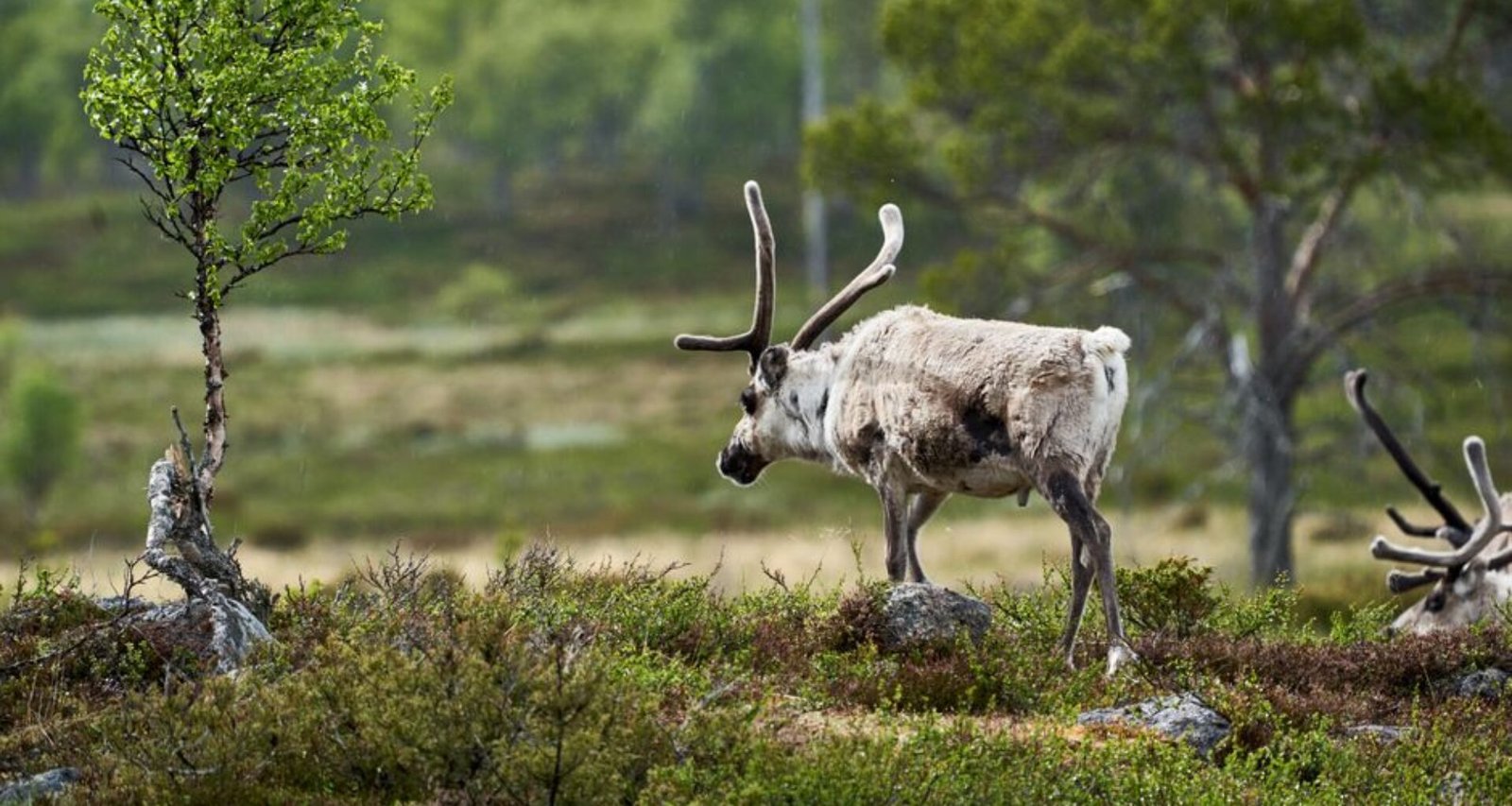
On Thursday evening, under the lingering northern sun in Jokkmokk, Sweden, local Sámi reindeer herders gathered with regional officials to discuss the future of Sarek National Park. As Sweden’s oldest national park, established in 1909, Sarek was originally created to protect endangered species like the brown bear. But for the Sámi, these boreal forests and tundra have been stewarded for centuries under their own land management traditions—long before national parks or conservation agencies existed.
Swedish policymakers are currently reviewing biodiversity targets for 2026, under pressure to align with the EU’s 30×30 conservation pledge. The Sámi Council has called for measurable recognition of Indigenous stewardship, arguing that areas managed by Sámi communities show higher biodiversity indices than strictly regulated state parks. A recent report from the Swedish Environmental Protection Agency found that in Sápmi, regions where Sámi reindeer herding continues uninterrupted, species richness is on average 18% higher compared to adjacent protected zones without Sámi access.
Conservation NGOs, including WWF Sweden, have urged the government to move beyond symbolic partnerships. “Summer tourists see pristine landscapes, but the ongoing biodiversity is a result of active Sámi management—seasonal grazing, fire, and spiritual practices—not just park boundaries,” said Dr. Karin Nilsson, WWF Sweden’s Biodiversity Lead, at a Friday policy roundtable. Researchers at Umeå University are now tracking the impact of traditional Sámi ecological knowledge on pollinator populations, with preliminary results due later this month.
However, friction remains. Some state agencies are reluctant to cede regulatory control, citing legal ambiguities around land rights and resource extraction. Meanwhile, Sámi representatives warn that greenwashing persists in official reporting: several 2026 biodiversity progress reports list co-management agreements where Sámi input is limited to consultation, not decision-making.
With the government’s next biodiversity action plan due before the autumn budget session, Sámi leaders and conservationists are pressing for formal co-governance and quantifiable targets. As Sweden’s summer heatwaves draw unprecedented crowds to the north, the question remains whether the state will move from pledges to tangible power-sharing with Indigenous stewards.
Frequently Asked Questions
How does biodiversity in Sámi-managed lands compare to state-run parks in Sweden?
Biodiversity is on average 18% higher in Sámi-managed Sápmi regions compared to adjacent protected zones without Sámi access, according to a Swedish Environmental Protection Agency report.
What is the main debate about Sámi involvement in Sweden’s biodiversity policies?
The debate centers on whether Sámi Indigenous knowledge and co-governance should be formally included in biodiversity policies, as current co-management is mostly consultative rather than decision-making.
What is the EU’s 30×30 conservation pledge that Sweden is trying to align with?
The EU’s 30×30 conservation pledge is a commitment to protect 30% of land and sea areas for biodiversity by 2030.
What traditional Sámi practices contribute to biodiversity?
Traditional Sámi practices such as seasonal reindeer grazing, controlled fire, and spiritual stewardship contribute to maintaining biodiversity in their managed lands.
What concerns do Sámi representatives have about current co-management agreements?
Sámi representatives warn that many co-management agreements only allow for consultation rather than real decision-making, and accuse the government of greenwashing in biodiversity progress reports.