UN
UN 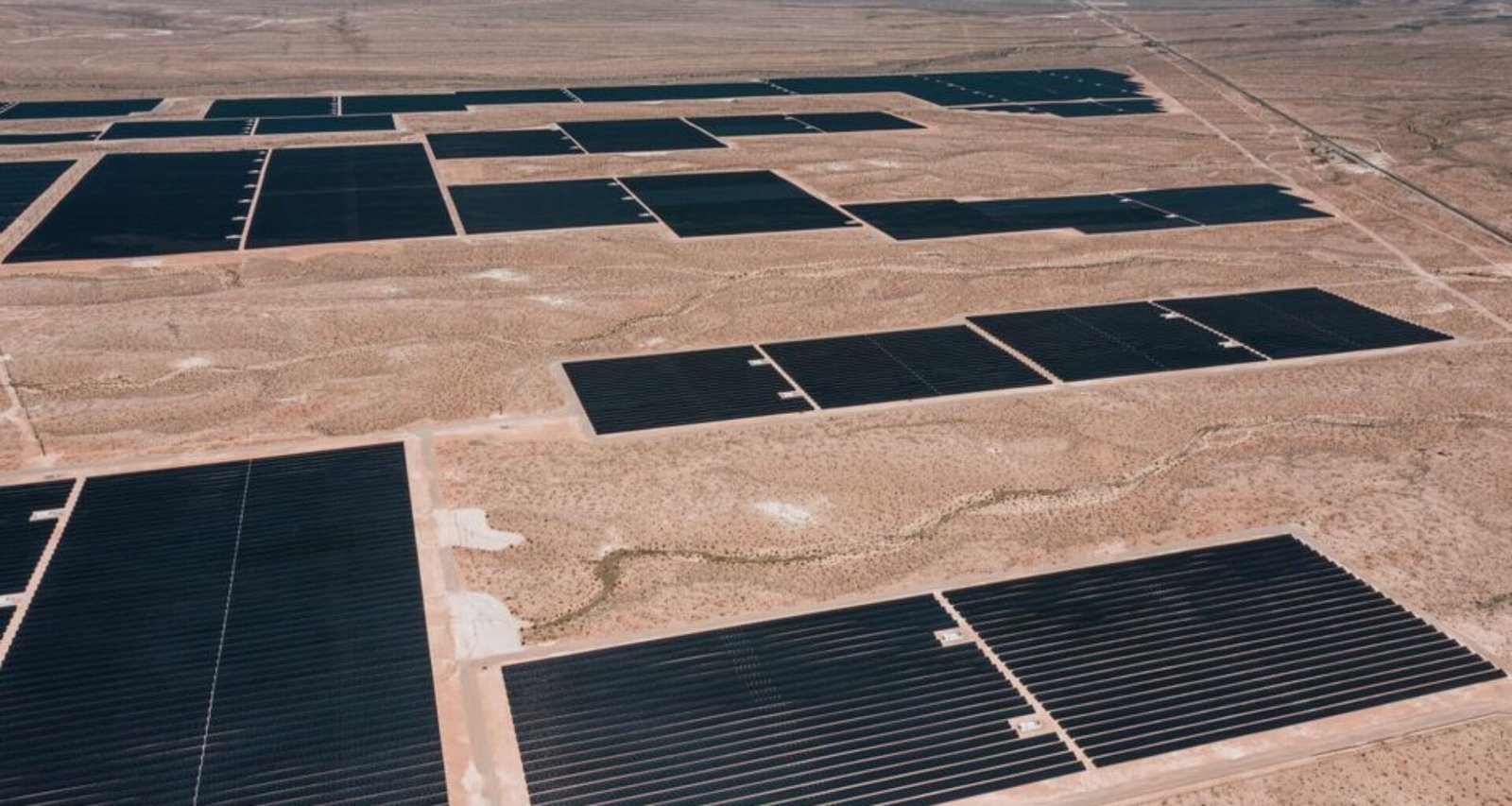
On Friday evening in Cairo, as temperatures climbed above 40°C and air conditioners strained local grids, Egypt’s Ministry of Electricity and Renewable Energy confirmed the commissioning of two new solar parks in Aswan and Benban. The installations are part of Egypt’s drive to supply 42% of its electricity from renewables by the end of 2026—a target that has drawn significant attention from European investors seeking to decarbonize their own power imports.
The European Investment Bank and Germany’s KfW Development Bank have collectively pledged over $1.2 billion this quarter to Egyptian grid expansion and interconnection projects. The EU’s Green Deal Industrial Plan, active since January, explicitly lists Egypt as a priority partner for green hydrogen and cross-Mediterranean power trade.
According to the Egyptian Electricity Transmission Company (EETC), testing began last week on a new 500 MW HVDC link connecting Egypt to Greece, with full operational delivery expected before the November 2026 COP28+ climate summit. This infrastructure is designed to enable surplus solar and wind energy—generated during Egypt’s sun-drenched summer peak—to flow north during periods of high European demand.
Despite headline-grabbing announcements, delivery on the ground remains uneven. Only 28% of Egypt’s current grid capacity is renewable as of this month, and recent reports from NGO Arab Watch for Environment and Development highlight delays in wind farm construction near the Red Sea coast. The Ministry claims these shortfalls are due to supply chain disruptions and rising global equipment costs.
With tourist numbers surging along the Mediterranean in August and energy consumption at seasonal highs, Egypt’s progress is under increasing scrutiny. The coming weeks will reveal whether the new investments can accelerate tangible expansion—or remain aspirational in the face of persistent logistical hurdles.
Frequently Asked Questions
What is Egypt’s renewable energy target for 2026?
Egypt aims to supply 42% of its electricity from renewable sources by the end of 2026.
How much have the European Investment Bank and KfW pledged to Egypt’s grid projects?
The European Investment Bank and KfW have pledged over $1.2 billion to Egypt’s grid projects this quarter.
What is the purpose of the new 500 MW HVDC link between Egypt and Greece?
The 500 MW HVDC link is designed to export surplus solar and wind energy from Egypt to Greece, especially during periods of high European demand.
Why are there delays in Egypt’s Red Sea wind farm construction?
Delays are due to supply chain disruptions and rising global equipment costs.
What percentage of Egypt’s current grid capacity is renewable?
As of this month, only 28% of Egypt’s current grid capacity is renewable.