



 UN
UN 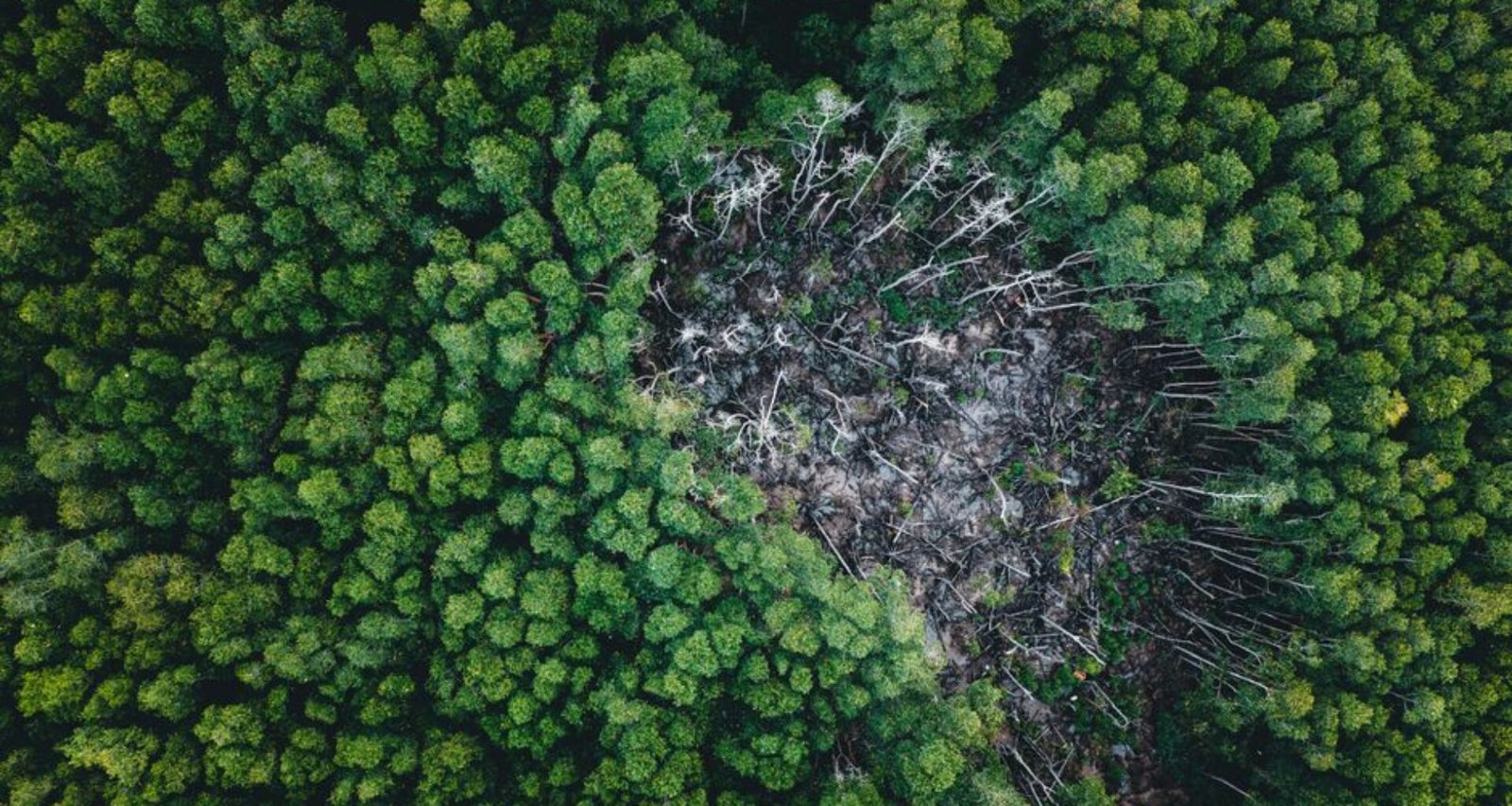
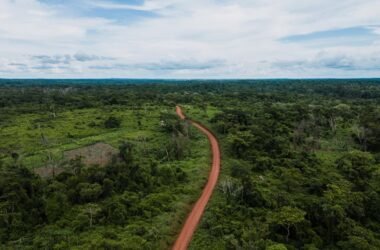
Satellite data released this weekend by Brazil’s National Institute for Space Research (INPE) show Amazon deforestation alerts have dropped to their lowest level since 2013. The DETER alert system detected 2,874 square kilometers of forest disturbance so far this year—continuing a downward trend that began shortly after President Luiz Inácio Lula da Silva returned to office.
On Saturday, INPE officials in Brasília pointed to coordinated law enforcement operations and environmental policy changes as core drivers of this summer’s decline. Field teams report that illegal logging hotspots in Pará and Rondônia states have seen visible slowdowns, with fewer clearings detected during July’s overflights compared to last year’s dry season.
However, experts caution that the alert system tracks near-real-time deforestation events rather than overall annual loss, and that the 2026 dry season is still ongoing. “We’re seeing progress, but the pressure on forests remains high, especially in frontier municipalities,” said Andreia Rocha, a senior analyst at Imazon, a local NGO. She noted that cattle ranching and soy expansion are likely to intensify later this month as roads become more passable.
Brazil’s current government has pledged to achieve zero illegal deforestation in the Amazon by 2030, a target reaffirmed at the Belém Climate Summit in June. International attention now focuses on whether these short-term reductions can be maintained through the 2026 fire season and translated into long-term forest recovery. For local communities, the coming weeks will be critical as federal patrols rotate and dry conditions persist.
The latest INPE alert underscores the challenge of balancing enforcement with sustainable economic alternatives in the world’s largest rainforest. As Monday’s policy meetings begin in Brasília, stakeholders are watching for signs of durable funding and regional cooperation to keep deforestation trending downward.
Frequently Asked Questions
What is the current level of Amazon deforestation alerts in Brazil for 2026?
INPE’s DETER system detected 2,874 km² of Amazon forest disturbance so far in 2026, the lowest since 2013.
What factors are credited for the decline in Amazon deforestation alerts in Brazil?
Authorities credit coordinated law enforcement operations and environmental policy changes for the decline in deforestation alerts.
When did the decline in Amazon deforestation alerts begin?
The decline began after President Luiz Inácio Lula da Silva returned to office.
What ongoing threats to the Amazon are mentioned despite the drop in deforestation alerts?
Experts warn that pressures from cattle ranching and soy expansion may increase, especially as the dry season continues.
What is Brazil’s official goal for Amazon deforestation by 2030?
Brazil aims for zero illegal deforestation in the Amazon by 2030, a target reaffirmed at the June 2026 Belém Climate Summit.