UN
UN 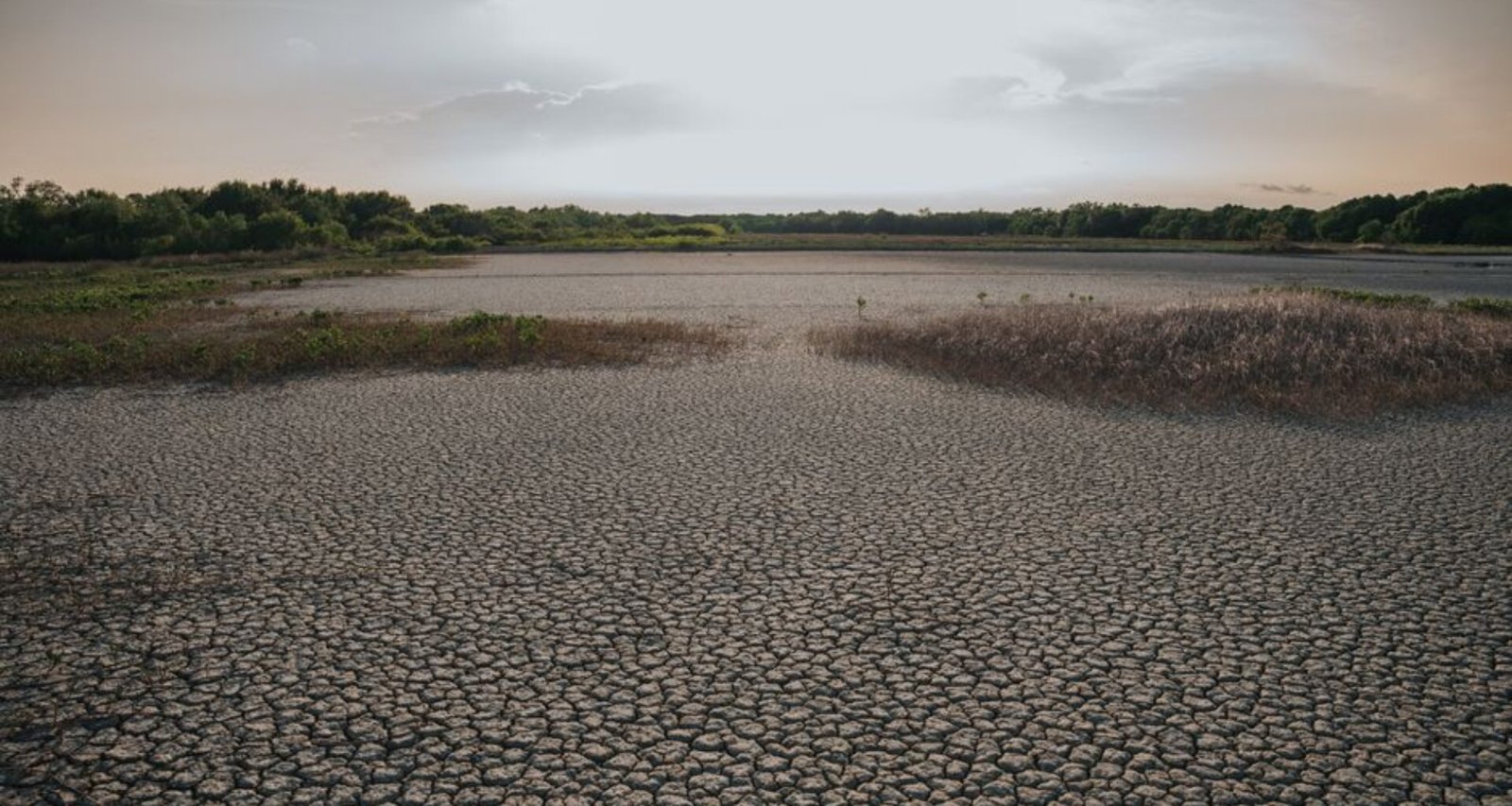
On Saturday, Lake Powell—the second-largest reservoir in the United States—dropped to its lowest recorded water height, only days after Lake Mead, the country’s largest reservoir, reached a similar nadir. The milestone, confirmed by the US Bureau of Reclamation, comes during a heatwave stretching across the Southwest, with afternoon temperatures in Las Vegas and Phoenix repeatedly topping 40°C this week.
Lake Mead and Lake Powell, both critical for the Colorado River Basin, now collectively hold less than 25% of their designed capacity according to July 2026 USGS data. The reservoirs supply water to over 40 million people and support agricultural irrigation, hydropower generation, and wildlife habitats in seven states and northern Mexico.
Federal and regional water managers, including the Bureau of Reclamation and the Colorado River Compact Commission, have convened emergency meetings in Denver since last Monday, aiming to propose interim water allocation adjustments before the end of August. The Department of the Interior has warned that further usage cuts may be mandated for Arizona, Nevada, and California if levels do not stabilize by the start of the autumn irrigation cycle.
Despite public pledges from state governors in the basin to accelerate conservation measures, independent analysts note that tangible reductions in water consumption have lagged behind 2026 interim targets. Environmental groups such as the Water Defense Coalition accuse several municipal utilities of “delaying substantive action,” citing this summer’s record-high residential water demand in rapidly growing areas like Maricopa County as a key obstacle.
With the next Colorado River Basin status update due in early September, sustainability professionals are watching for clear evidence of structural water use changes, rather than short-term emergency restrictions. The crisis places new urgency on SDG 6—clean water and sanitation—and raises questions about the long-term resilience of the region’s infrastructure as another record-breaking summer unfolds.
Frequently Asked Questions
Why are Lake Mead and Lake Powell at record-low water levels?
Lake Mead and Lake Powell have reached record-low water levels due to a severe heatwave and high water demand, with both reservoirs now holding less than 25% of their designed capacity as of July 2026.
How many people rely on water from Lake Mead and Lake Powell?
Over 40 million people across seven states and northern Mexico rely on water supplied by Lake Mead and Lake Powell.
What actions are being taken to address the low water levels in Lake Mead and Lake Powell?
Federal and regional water managers have convened emergency meetings in Denver to propose interim water allocation adjustments, and the Department of the Interior may mandate further water usage cuts for Arizona, Nevada, and California if levels do not stabilize by autumn.
Which states could face mandatory water usage cuts if reservoir levels don’t improve?
Arizona, Nevada, and California could face further mandatory water usage cuts if reservoir levels do not stabilize by the start of the autumn irrigation cycle.
What concerns have environmental groups raised about water conservation efforts?
Environmental groups like the Water Defense Coalition accuse several municipal utilities of delaying substantive action, citing record-high residential water demand in rapidly growing areas such as Maricopa County as a major obstacle.