



 UN
UN 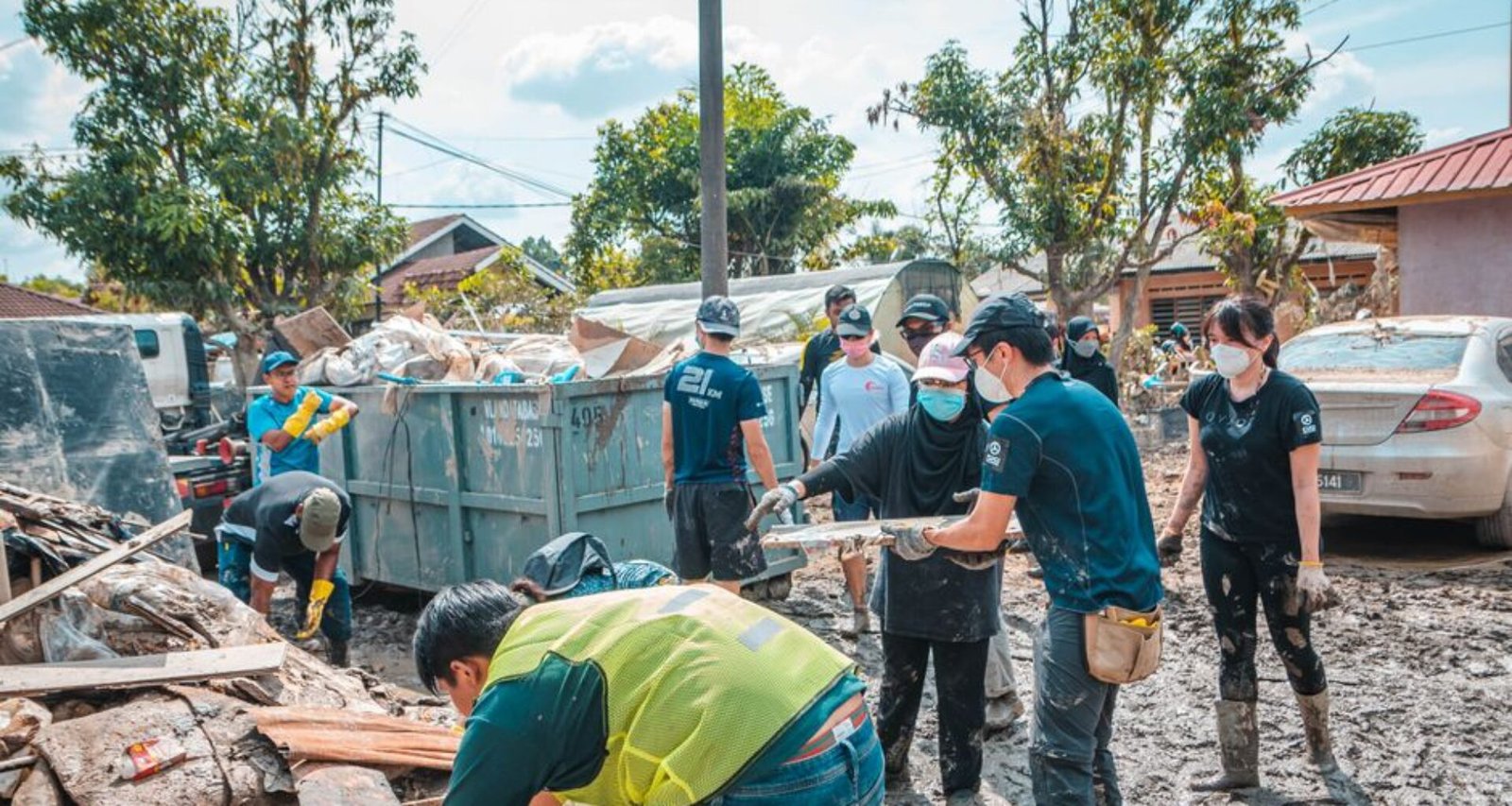
On Monday morning, municipal crews and volunteers in Honolulu and Hilo began clearing debris and repairing roads after Hurricane Lala drenched Hawaii with more than 350 millimeters of rain over the weekend. The state’s Department of Transportation reported at least 16 major road closures on the Big Island, while the Red Cross opened five temporary shelters to house nearly 2,000 displaced residents.
Governor Josh Green addressed the public outside the flooded Kalihi Valley Community Center, stating that the damage to public infrastructure could surpass $75 million, with early estimates expected to be revised upward as assessments continue this week. The cleanup is being coordinated with FEMA under the state’s disaster response plan, first activated Saturday night as flash floods swept through low-lying neighborhoods.
Climate resilience is now a central concern for Hawaii’s policymakers, who have previously pledged to strengthen urban drainage and coastal protections. However, according to the University of Hawaii’s Center for Climate Adaptation, only 38% of the state’s critical infrastructure upgrades scheduled for completion by summer 2026 are currently on track. Local NGOs, including Sustainable Coastlines Hawaii, have called for greater transparency in how federal aid is allocated and for increased community input in rebuilding plans.
Residents and business owners voiced frustration with the pace of previous disaster recovery efforts. At a Monday midday press conference, Kahului café owner Lani Mata emphasized that insurance payouts and government relief funds often take months to reach affected families, leaving many reliant on informal support networks. The state government said it aims to fast-track assistance this time, promising initial disbursements “in the coming weeks.”
With tourism season peaking and thousands of visitors still on the islands, local authorities have urged caution around popular beaches and hiking trails, several of which remain closed due to landslides. The next two weeks will be critical for restoring basic services and demonstrating progress toward Hawaii’s 2026 climate resilience benchmarks, as state and federal officials face scrutiny over both their immediate disaster response and long-term adaptation planning.
Frequently Asked Questions
How much rain did Hurricane Lala bring to Hawaii?
Hurricane Lala brought over 350 millimeters of rain to Hawaii over the weekend.
How many people were displaced by Hurricane Lala in Hawaii?
Nearly 2,000 residents are in temporary shelters after Hurricane Lala.
What is the estimated damage to Hawaii’s public infrastructure from Hurricane Lala?
The damage to public infrastructure could surpass $75 million, with assessments ongoing.
How much progress has Hawaii made on its critical infrastructure upgrades for 2026?
Only 38% of Hawaii’s critical infrastructure upgrades scheduled for completion by summer 2026 are currently on track.
What challenges are residents facing in receiving disaster relief after Hurricane Lala?
Residents and business owners report that insurance payouts and government relief funds often take months to arrive, leaving many reliant on informal support networks.