UN
UN
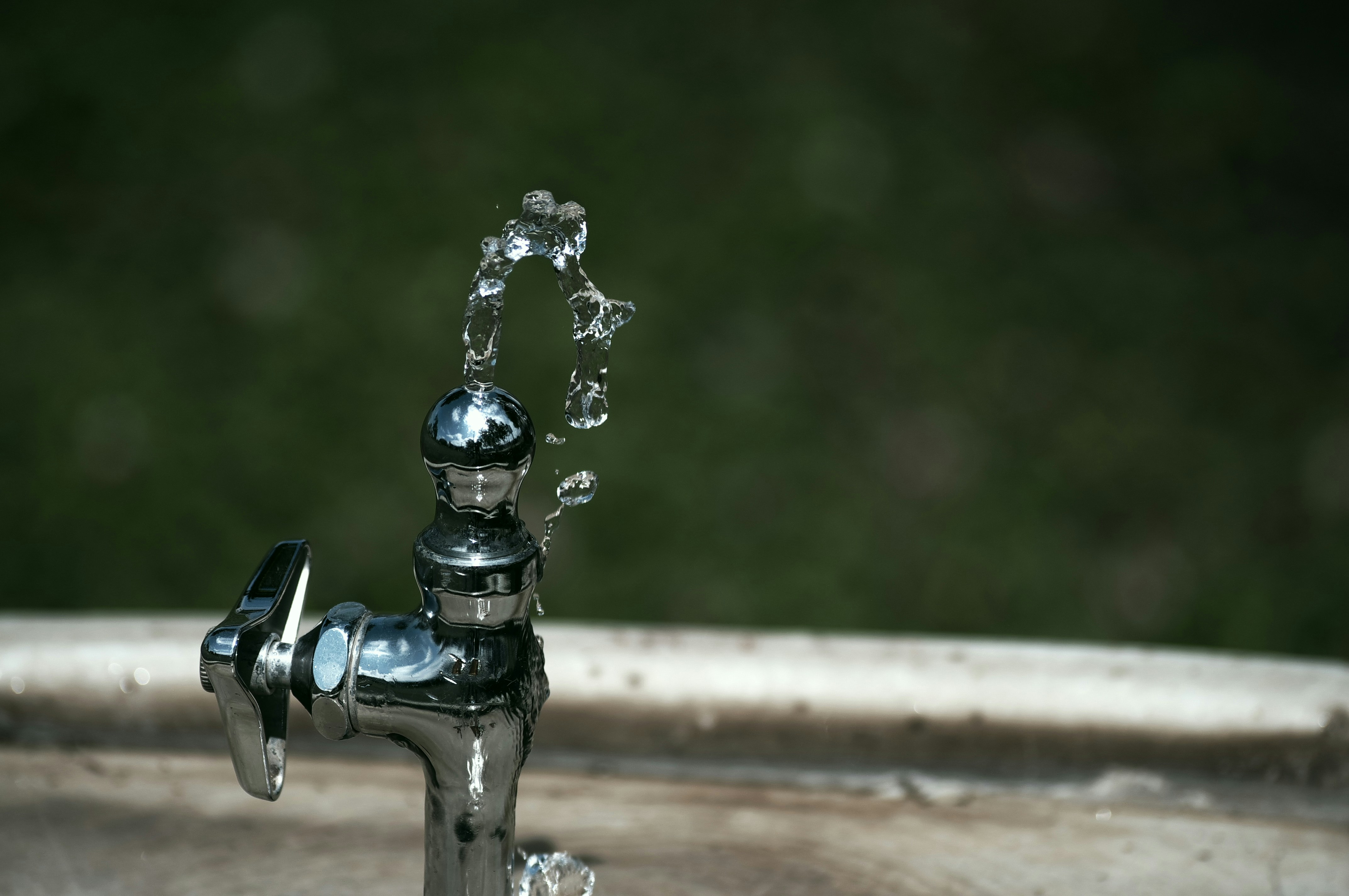
(SDGTALKING) – A historic advance has been made in access to clean water worldwide. According to data from the United Nations (UN) and UNICEF, approximately 961 million people have gained access to safe drinking water since 2015. This has increased the global access rate from 68% to 74%.
Officials describe this development as “a major milestone in global health and development.” Increased access to water has played a decisive role in reducing child mortality and improving public health, especially in low-income countries.
Definition of Safe Drinking Water
The UN and UNICEF define safe drinking water as “clean, microbiologically and chemically safe water that can be delivered continuously to households.” This development means that millions of people can now access water from the tap in their homes instead of walking for miles to fetch water.
Contribution to Children’s Health
Experts note that the greatest impact of this progress has been seen in child mortality. Highlighting the decline in waterborne diseases such as diarrhea, the World Health Organization emphasizes that access to safe water reduces health expenditures and increases labor productivity.
Problems Persist
Despite all this progress, 2.1 billion people worldwide still lack access to safe drinking water. The problem is most acute in rural areas of Africa and South Asia. Inadequate infrastructure, contamination of water sources, and drought caused by climate change are deepening the crisis in these regions.
Women and girls are forced to walk for hours every day to fetch water. This situation causes them to fall behind in their education and exposes them to security risks.
Call for Investment to Find a Solution
UN officials say that infrastructure investments and local solutions must be increased in order to achieve the goal of “Clean Water for All” by 2030. Sand dams in Kenya, community-based water projects in India, and solar-powered pumps are among the successful examples in this field.
A Fundamental Human Right
According to experts, access to water is a fundamental human right beyond being a development goal. Officials call on countries to prioritize investments in water infrastructure, stating that “without access to clean water, health, education, and economic development are impossible.”