UN
UN
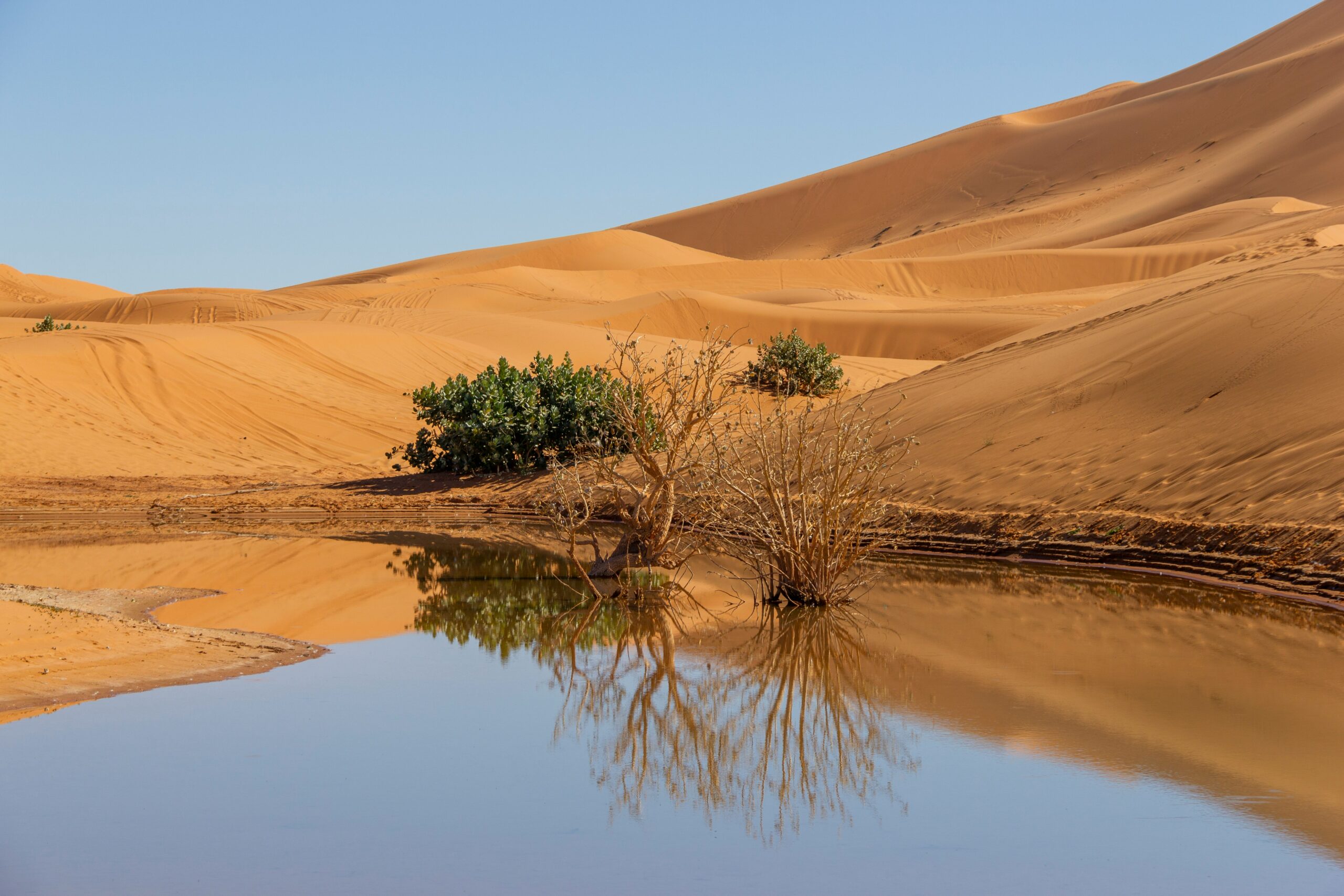
(SDGTALKING) By Bunyamin Surmeli – The latest report from the United Nations Environment Programme (UNEP) and UN-Water reveals that lakes around the world are shrinking at an alarming rate. Surface water areas in 364 major basins are either shrinking or disappearing entirely. Approximately 93 million people live in these areas and depend on these waters for their livelihoods.
Why Are Lakes Dying?
According to experts, the main reasons for lake loss are:
- Intensive agricultural irrigation
- Increased water demand from urbanization
- Water consumption by hydroelectric power plants
- Pollution and agricultural waste
All of these factors disrupt lake ecosystems, reducing fish populations, lowering water quality, and threatening biodiversity.
Lake Poopó: The Disappearance of a Lake
Lake Poopó in Bolivia is one of the most dramatic examples of this crisis. Once the country’s second-largest lake, Poopó has almost completely dried up due to the pressures of climate change and agricultural water use. This situation has destroyed the local fishing industry and forced thousands of people to migrate.
The Aral Sea and Salton Sea: Lessons from History
A similar picture applies to the Aral Sea, which has been shrinking for years. Excessive water extraction during the Soviet era largely dried up the lake and turned the region into an environmental disaster. Salton Lake in the US is rapidly shrinking due to agricultural drainage and climate change. As the water level drops, toxic dust rising from the lake bed is causing serious health problems in surrounding communities.
A Global Warning
UNEP officials point out that these examples are not just a local threat, but a global one. The loss of lakes means a decrease in freshwater reserves, a threat to food security, and an increased risk of regional conflict. The report calls on countries to improve water management, transition to sustainable agricultural practices, and protect lake ecosystems.