


 UN
UN
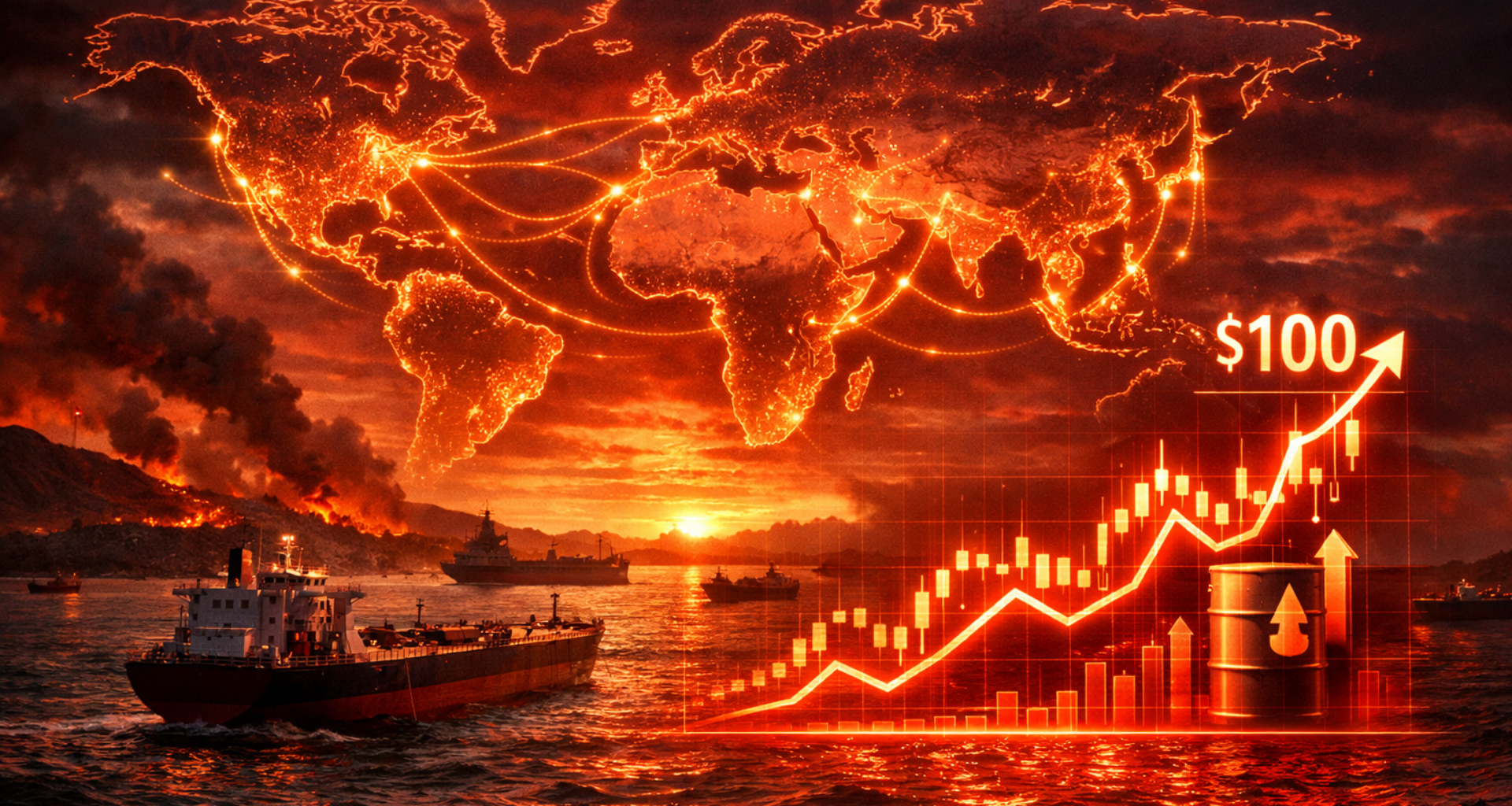
Escalating military tensions in the Middle East are beginning to ripple through global energy markets. Following military operations targeting Iran, security risks in the Persian Gulf region have increased significantly, putting pressure on one of the most critical energy corridors in the world — the Strait of Hormuz.
Energy analysts emphasize that this narrow waterway functions as a vital artery of the global economy. Roughly 20% of the world’s oil trade passes through the strait, making it one of the most strategically sensitive maritime chokepoints.
Even small disruptions in tanker traffic, insurance costs, or shipping security can rapidly translate into higher oil prices worldwide.
The immediate market reaction was sharp. Brent crude oil surged past $100 per barrel, reaching levels not seen in several years. At the same time, major global energy companies experienced a significant rise in market value as investors reacted to the price rally.
However, rising oil prices carry broader economic implications. Economists warn that sustained energy price increases could trigger a new wave of global inflation, particularly in energy-dependent economies across Europe and Asia.
In response to the volatility, G7 countries initiated emergency discussions about releasing strategic oil reserves to stabilize global energy markets and ease supply concerns.
The International Energy Agency (IEA) has also considered coordinated action among member states to mitigate potential supply shocks.
Beyond short-term price movements, analysts argue that the crisis is reshaping the broader conversation around energy security. As geopolitical risks threaten critical trade routes, governments are increasingly prioritizing diversification of energy supply chains and accelerating investments in renewable energy systems.
For many observers, the current crisis is more than a temporary spike in oil prices. It highlights structural vulnerabilities in the global energy system and reinforces three key strategic challenges:
- energy supply security
- dependence on fossil fuels
- the urgency of energy transition
In that sense, the current Middle East tensions represent not only a geopolitical confrontation but also a stress test for the resilience of the global energy system.