UN
UN
Editorial Perspective
What we’re witnessing is not a typical “oil is getting expensive” story. This is a structural stress test of the global system.
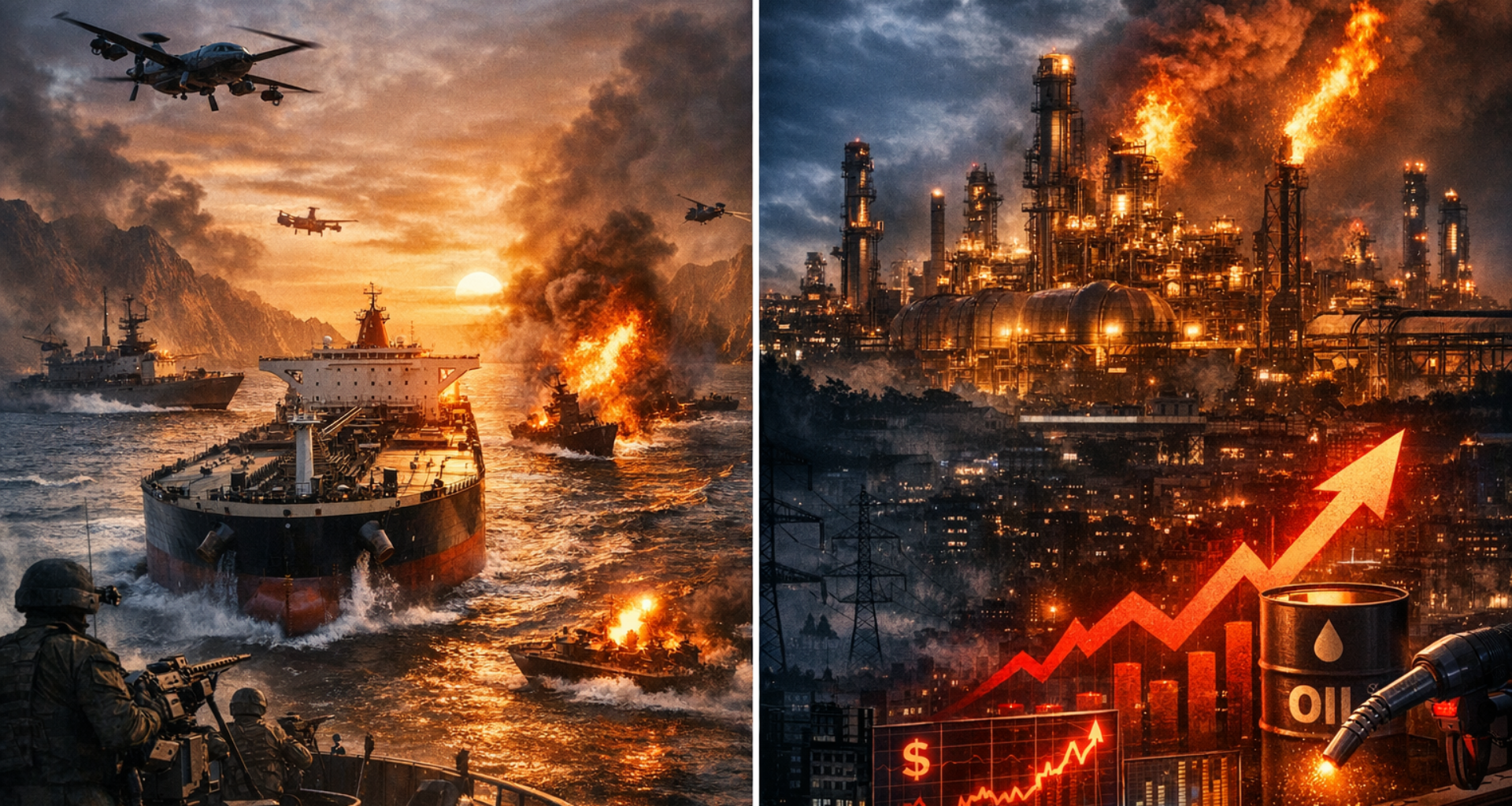
Rising tensions around the Strait of Hormuz once again expose how dependent the world still is on a few critical routes.
Roughly 20–30% of global oil flows through this narrow passage.
Now imagine this: even a temporary disruption of a few days could instantly turn oil into a scarcity-driven asset.
Why This Crisis Is Different
1. Multi-Crisis Era (Everything at Once)
Energy crises used to have a single trigger: war, embargo, or supply shock.
Now, multiple forces are colliding simultaneously:
- Geopolitical tensions
- Incomplete energy transition
- AI-driven electricity demand
- Fragile supply chains
This isn’t a disruption — it’s systemic overload.
2. Energy Has Become a Strategic Weapon
Energy is no longer just a commodity — it’s leverage.
Examples:
- Russia restricting gas flows → Europe faced price shocks
- OPEC+ production decisions → direct market manipulation
Organizations like OPEC are no longer passive suppliers; they are active market architects.
3. The “Green Transition” Isn’t Ready Yet


4
For years, the world has been talking about transitioning to renewables.
Reality check:
- Oil and gas still dominate the energy mix
- Renewables cannot fully carry base-load demand yet
- Energy storage solutions are still evolving
So when crisis hits → countries fall back to fossil fuels.
That gap between narrative and infrastructure is the real vulnerability.
🤖 The New Player: AI Is Consuming Energy
Modern data centers now consume energy at the scale of small cities.
- Microsoft → exploring nuclear-backed energy deals
- Google → pushing toward carbon-neutral infrastructure
- OpenAI → scaling models = scaling energy demand
To put it bluntly:
Training a large AI model can approach the annual energy usage of smaller nations.
Meaning:
Energy demand is no longer just industrial — it’s digital.
🌍 Regional Case Studies
🇪🇺 Europe: Learning Through Crisis
- Rapid LNG infrastructure expansion
- Reduced dependence on Russian gas
- Significantly higher energy costs
Outcome: More secure, but more expensive energy.
🇨🇳 🇮🇳 Asia: Growth First Strategy
- Increased coal and oil usage
- Surging energy demand
Outcome: Strong growth, but rising emissions.
🇺🇸 United States: Playing the Power Game
- Shale oil production remains strong
- LNG exports expanding
The U.S. is not just surviving the crisis — it’s monetizing it.
💥 The Domino Effect
Energy crises don’t stay contained:
- Oil prices rise
- Transportation costs increase
- Production costs surge
- Inflation accelerates
- Interest rates rise
- Economic growth slows
Energy is the trigger — the economy is the casualty.
🔮 What Happens Next?
Scenario 1: Escalation
- Oil above $100
- Inflation spikes again
- Recession risk increases
Scenario 2: Controlled Stabilization
- Prices stabilize
- Energy investments accelerate
Scenario 3: Green Breakthrough (Hardest, but critical)
- Major advances in renewables + storage
- Rapid reduction in fossil dependency
🌱 Sustainability Reality Check
This crisis delivers a clear message:
The energy transition is not idealistic — it’s strategic.
But here’s the paradox:
- Short term → countries rely more on fossil fuels
- Long term → they invest more in clean energy
The world is operating in two timelines simultaneously.
🎯 Final Take
This is no longer a temporary fluctuation.
This is a systemic shift in how energy, technology, and geopolitics intersect.
Oil tankers, AI data centers, and geopolitical conflicts are now part of the same equation.
In short:
Energy is no longer just a resource — it’s the game itself.