


 UN
UN 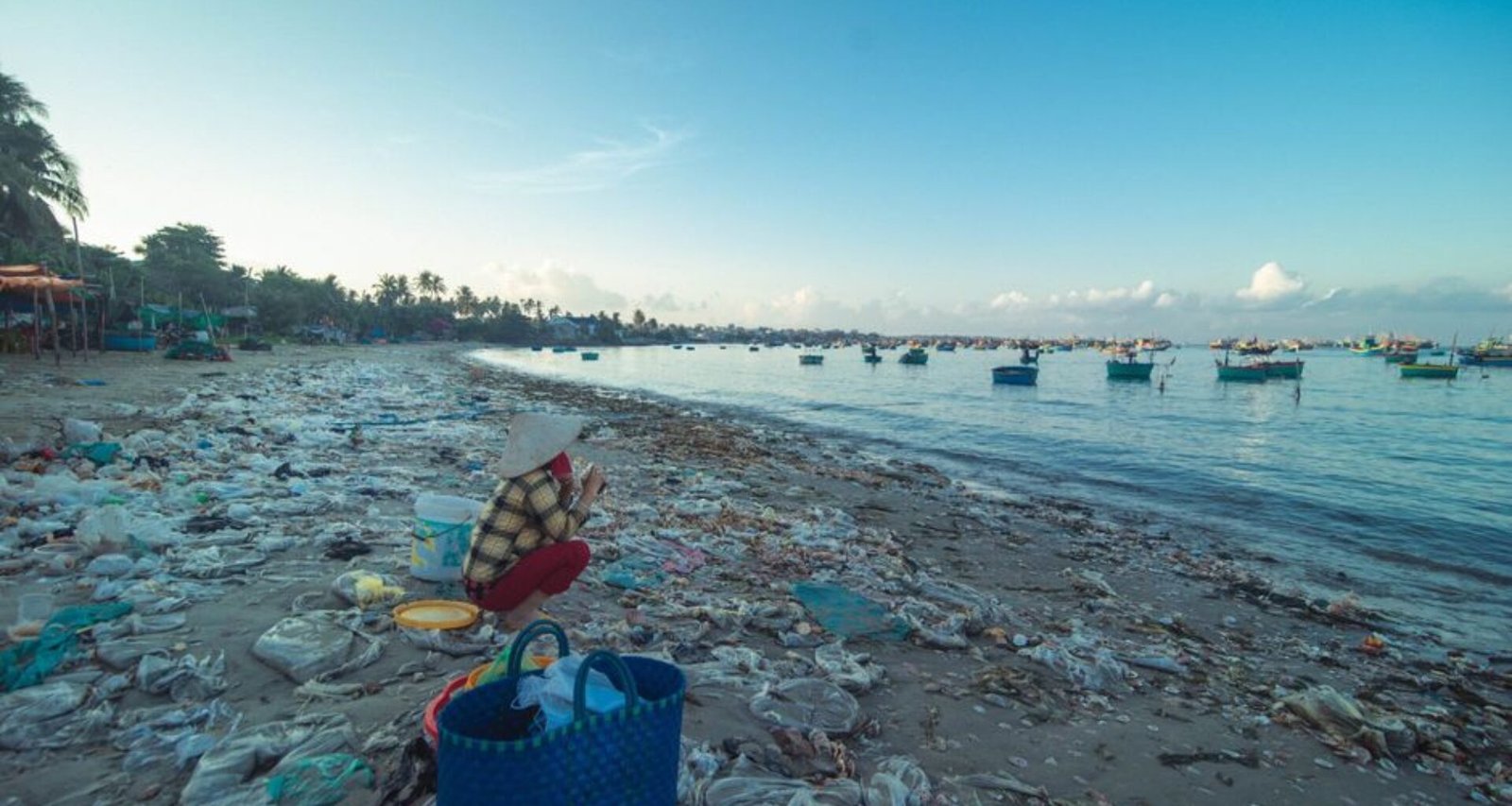
On Monday morning, as Banda Aceh’s usual summer heat intensified along Gampong Jawa Beach, a crew of seven fishers worked under the direction of Surya Abid, the local panglima laot or ‘sea commander.’ Their half-mile-long blue net, once a symbol of sustainable coastal livelihoods, surfaced with unexpected weight: entangled among the catch were plastic bottles, snack wrappers, and fishing line fragments—a scene now common across Indonesia’s westernmost province.
Aceh’s fishing communities, which number over 150,000 according to the Indonesian Ministry of Marine Affairs and Fisheries, have long followed customary marine laws known as hukum adat laot. These traditions emphasize resource sharing and seasonal bans to protect fish stocks. However, plastic debris—much of it swept in from urban runoff and cargo ships—now threatens both the environment and the economic foundation of these rules.
Indonesia’s government has committed to reducing marine plastic waste by 70% by 2027, as stipulated in its National Action Plan on Marine Debris. But with 620,000 tonnes of plastic estimated to leak into the country’s waters each year, local leaders in Banda Aceh report that delivery on this target remains slow. This season, fishers say they are spending up to a quarter of their net-cleaning time disentangling plastic, reducing both catch volume and income.
SDG 14, which targets the conservation and sustainable use of oceans, is at risk of further setback unless concrete measures reach the community level before the 2027 goalpost. NGOs such as the Aceh Marine Foundation have piloted beach cleanups and plastic buy-back schemes, but these efforts remain small-scale. Fishers like Surya Abid are calling for direct investment in upstream waste management and stricter enforcement against illegal dumping, citing tangible declines in fish stocks over the past two summers.
As Aceh’s coastal residents brace for the late August fishing peak, the question of how Indonesia’s national pledges will translate into cleaner beaches—and sustainable livelihoods—remains unresolved. For now, tradition and plastic pollution continue to collide on Banda Aceh’s shores, testing both resilience and the credibility of SDG commitments in 2026.
Frequently Asked Questions
How is plastic pollution affecting fishers in Aceh, Indonesia?
Plastic pollution is causing fishers in Aceh to spend up to 25% of their net-cleaning time removing debris, reducing catch volume and income.
What traditional laws do Aceh’s fishing communities follow?
Aceh’s fishing communities follow customary marine laws known as hukum adat laot, which emphasize resource sharing and seasonal bans to protect fish stocks.
What is Indonesia’s target for reducing marine plastic waste?
Indonesia aims to reduce marine plastic waste by 70% by 2027, according to its National Action Plan on Marine Debris.
How much plastic enters Indonesia’s waters annually?
An estimated 620,000 tonnes of plastic enter Indonesia’s waters each year.
What actions are being taken locally to address plastic pollution in Aceh?
NGOs like the Aceh Marine Foundation have started small-scale beach cleanups and plastic buy-back schemes, but these efforts remain limited in scale.