



 UN
UN 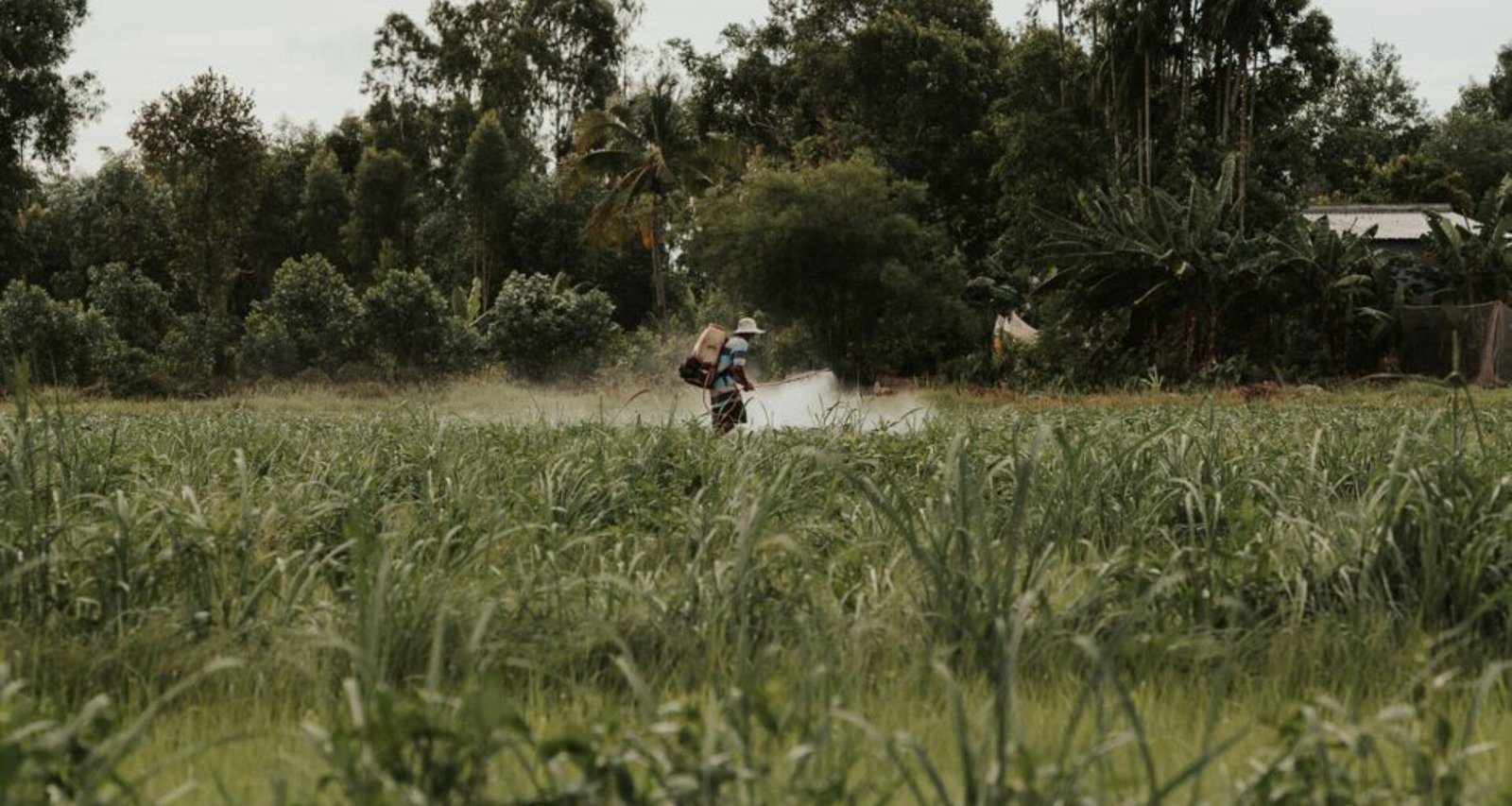
At sunrise this Monday in Immokalee, Florida, temperatures had already surpassed 30°C as crews prepared to harvest tomatoes and peppers. For the state’s estimated 150,000 agricultural workers, the combination of extreme heat and pesticide exposure is emerging as a critical occupational hazard this summer. New peer-reviewed research from the University of Florida, released in June 2026, demonstrates that high temperatures significantly increase the toxic effects of commonly used pesticides on farmworkers’ bodies.
The challenge is twofold: heat stress makes agricultural laborers more susceptible to the harmful impacts of organophosphates and pyrethroids, while the protective clothing required during pesticide application traps heat, raising the risk of dehydration and heat stroke. Field supervisors across Palm Beach and Hendry counties report that workers are already limiting hours in the fields due to midday heat, a trend intensifying since late July’s record-breaking heatwaves.
“On days above 35°C, we’re seeing more reports of dizziness, nausea, and skin rashes, especially among those applying or handling pesticides,” said Maria Alvarez, director of the Florida Farmworker Association. She cited a 22% increase in heat-related illness cases among members compared to the same period last year. Scientists warn that higher evaporation rates in extreme temperatures cause pesticides to volatilize more rapidly, increasing inhalation risks throughout the growing season.
Despite federal Occupational Safety and Health Administration (OSHA) guidelines, on-the-ground enforcement remains inconsistent. The United Farm Workers union has called for mandatory shaded rest breaks and real-time air quality monitoring for pesticide residues. However, no new state-wide protections have been enacted in Florida as of mid-August 2026.
As the UN’s SDG 8 (Decent Work and Economic Growth) and SDG 3 (Good Health and Well-being) come under renewed scrutiny, Florida’s heat-exposed farmworkers remain at the intersection of climate adaptation and occupational health. With peak harvest still weeks away, advocates are pressing for immediate mitigation measures before the next round of summer heat hits.
Frequently Asked Questions
How many farmworkers in Florida are affected by heat and pesticide exposure?
An estimated 150,000 agricultural workers in Florida are affected by these hazards.
How does extreme heat impact pesticide toxicity for Florida farmworkers?
University of Florida research shows that high temperatures significantly increase the toxic effects of commonly used pesticides, especially organophosphates and pyrethroids.
What health problems are Florida farmworkers experiencing due to heat and pesticides?
Workers are reporting more cases of dizziness, nausea, and skin rashes, particularly among those applying or handling pesticides, with a 22% rise in heat-related illness cases compared to last year.
Have any new safety measures been enacted in Florida to protect farmworkers from heat and pesticide exposure?
No new state-wide safety measures have been enacted in Florida as of mid-August 2026.
Why are Florida farmworkers limiting their field hours this summer?
Workers in Palm Beach and Hendry counties are limiting field hours due to record-breaking heatwaves and increased risk of heat-related illnesses.