


 UN
UN 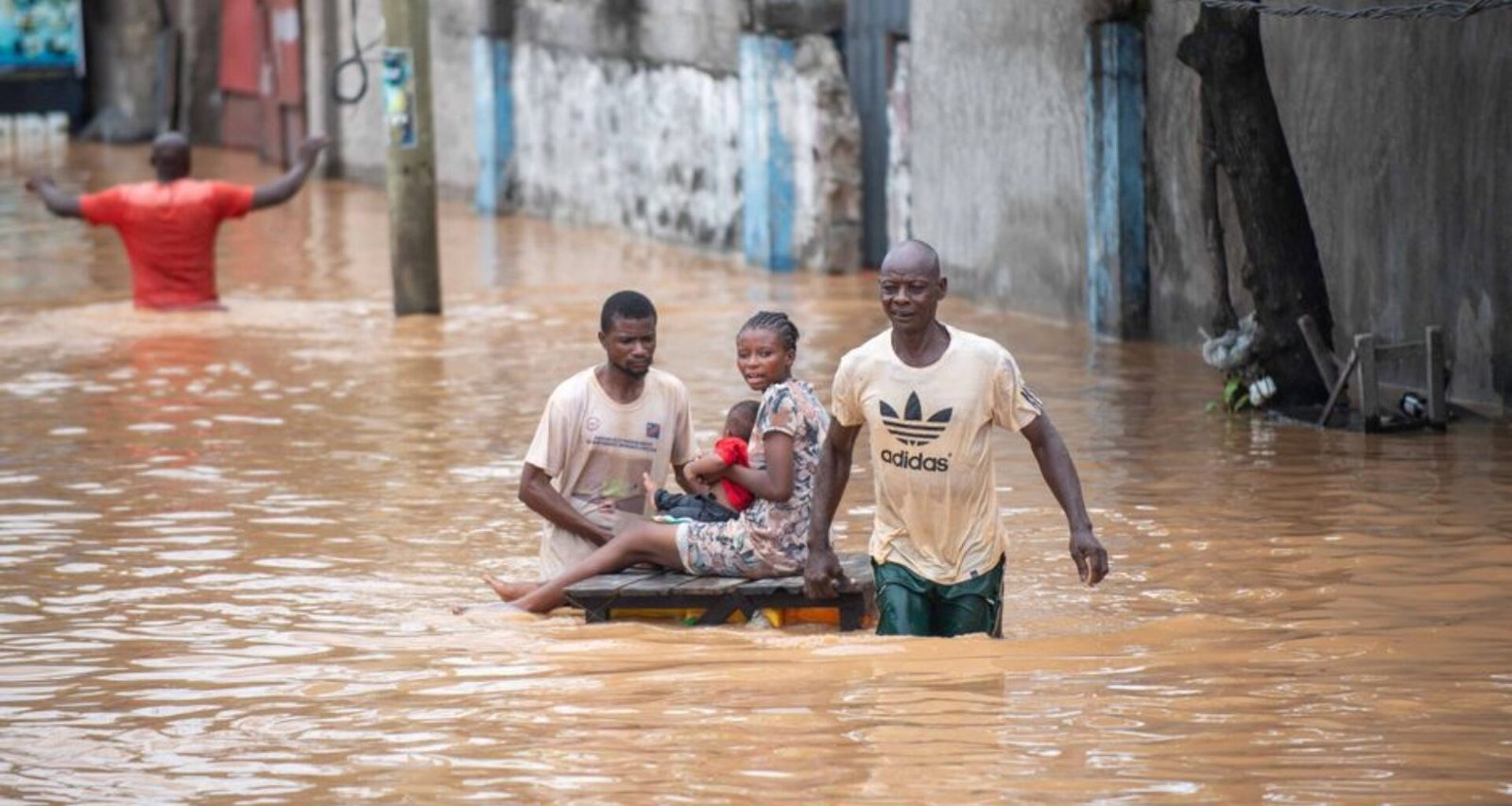
On Saturday afternoon in Dakar’s Parc de Hann, local climate advocates gathered beneath the shade of baobabs to discuss the future of Senegal’s community-led flood prevention projects. As heatwaves intensify across West and East Africa this summer, the urgency of locally designed adaptation is clear. Yet, according to the African Union’s recent report, only 14% of Africa’s climate adaptation funding in 2026 has come from international sources, and most of it remains tied to externally crafted, imported strategies.
In Nairobi’s informal settlements, water harvesting systems piloted by the Mukuru Community Development Group have reduced seasonal displacement by 22%. However, project leader Faith Otieno notes that these grassroots interventions are struggling to expand without direct investment. “We have the know-how, but not the capital,” she said, pointing to the lack of flexible finance targeting local actors.
The African Development Bank’s 2026 Adaptation Finance Tracker shows a persistent gap between pledged support and actual disbursements. While G20 countries announced $23 billion in adaptation finance for Africa by 2026, only $4.2 billion has reached implementers on the ground as of this month. Most funds are earmarked for donor-driven projects, bypassing established local networks.
UNDP’s regional director, Amadou Diallo, warned this week that “imported blueprints often mismatch local conditions and undermine accountability with communities.” He cited recent failures of irrigation schemes in northern Ghana, where standardized equipment sat idle due to lack of community input and maintenance training.
With COP32 approaching this autumn in Addis Ababa, African negotiators are expected to press for a shift in international adaptation finance—prioritizing direct local investment and co-designed strategies. As summer heat strains food and water systems from Lagos to Lusaka, the continent’s adaptation agenda is shifting from theory to delivery.
Frequently Asked Questions
What percentage of Africa’s 2026 climate adaptation funding comes from international sources?
Only 14% of Africa’s 2026 climate adaptation funding comes from international sources.
How much of the $23 billion in adaptation finance pledged by G20 countries for Africa has reached local implementers?
Of the $23 billion pledged, only $4.2 billion has reached local implementers as of this month.
What impact did the Mukuru Community Development Group’s water harvesting systems have in Nairobi?
The water harvesting systems reduced seasonal displacement in Nairobi’s informal settlements by 22%.
Why did standardized irrigation schemes fail in northern Ghana?
They failed due to lack of community input and maintenance training, resulting in idle equipment.
What are African negotiators expected to advocate for at COP32 in Addis Ababa?
They are expected to push for more direct local investment and co-designed adaptation strategies.