UN
UN
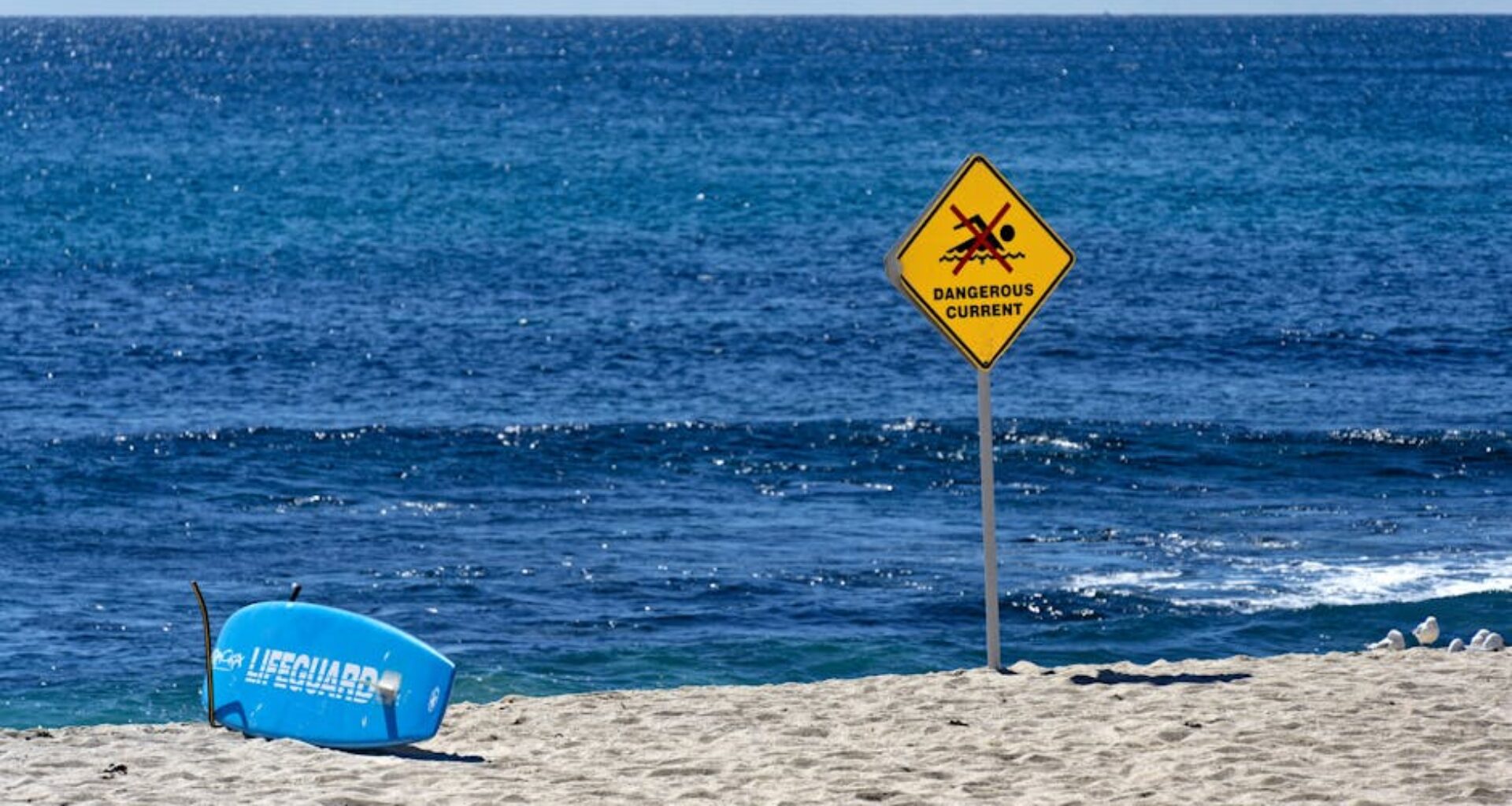
The Atlantic Meridional Overturning Circulation (AMOC), a critical system of ocean currents responsible for regulating climate across the Atlantic region, is showing signs of significant weakening due to ongoing global warming. This vast conveyor belt transports warm surface waters northwards and returns cold, deep waters southwards, playing a vital role in temperature regulation, weather patterns, and marine ecosystems. Scientists warn that disruptions to the AMOC could have profound consequences for global climate stability.
Recent studies indicate that the AMOC is approaching a tipping point, raising concerns about a potential collapse. Such a collapse would disrupt heat distribution in the Atlantic, leading to more extreme weather events, including harsher winters in Europe, intensified hurricanes in the Americas, and shifts in monsoon patterns affecting Africa and South Asia. The weakening is largely attributed to increased freshwater input from melting Greenland ice sheets and Arctic sea ice, which alters the salinity and density of ocean water, impeding the circulation process.
Experts emphasize that the AMOC’s decline underscores the interconnectedness of climate systems and the urgency of mitigating greenhouse gas emissions. “The AMOC is like a giant engine driving climate stability in the Atlantic region. Its slowdown is a clear warning signal that we must act decisively to curb global warming,” said Dr. Helen Thompson, an oceanographer specializing in climate dynamics. The potential collapse threatens not only regional climates but also global food security, biodiversity, and economic stability.
Policy initiatives aligned with the United Nations Sustainable Development Goals (SDGs), particularly SDG 13 (Climate Action) and SDG 14 (Life Below Water), are critical in addressing these challenges. Strengthening international cooperation to reduce carbon emissions and investing in ocean research are pivotal steps toward preserving the AMOC and safeguarding the planet’s climate systems. Without urgent action, the weakening of this crucial ocean current could accelerate climate disruptions with far-reaching impacts.