UN
UN 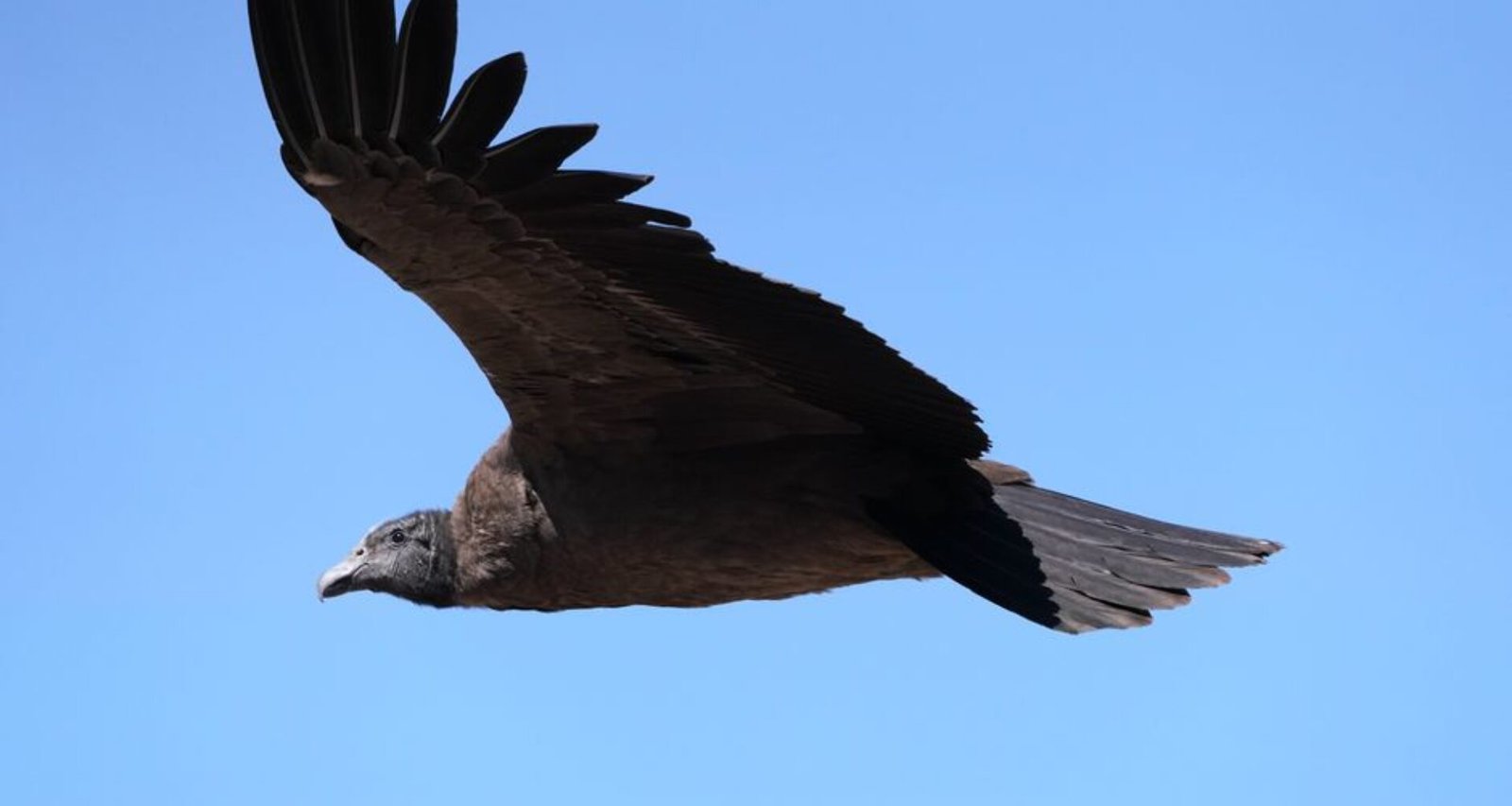
Monday morning in the fog-laced grasslands of Páramo El Almorzadero, Colombia, Doris Torres guides her sheep under the watchful spiral of Andean condors—an encounter that, until recently, would have triggered alarm. For decades, villagers in this remote Santander province blamed the world’s largest flying bird for livestock deaths, responding with poisoned meat and hunting that left condor numbers in Colombia below 150, according to the Colombian National Parks Authority.
This summer, the narrative is changing. The community has embraced a coexistence program led by Fundación Neotropical and supported by the regional government, following the 2026 implementation of the Andes Avian Conservation Accord. The initiative compensates herders for verified livestock losses and funds field training on predator-proof enclosures, directly reducing retaliatory killings. Torres, now a participant in the program, notes a visible drop in condor shootings since the start of the project.
The project’s data, shared at a Bucaramanga town hall last Friday, show condor sightings up 12% since January 2026. Importantly, livestock predation reports have not increased, challenging the long-held assumption that condors are the primary threat to sheep. Instead, camera traps have identified stray dogs as the leading cause of losses in the region this season.
With the Andes Avian Conservation Accord’s funding set for review later this month, local leaders and conservationists are pushing for a three-year extension. Their aim: double the condor population in Norte de Santander by 2029. Meanwhile, the village’s evolving relationship with the condor is being cited by the Colombian Ministry of Environment as a model for human-wildlife conflict mitigation under SDG 15 (Life on Land).
As temperatures rise across the Andes this August, condors can again be seen gliding over the páramo, not as targets but as symbols of a community’s capacity for adaptation. The shift in Páramo El Almorzadero underscores the measurable impact of targeted conservation tied to local incentives rather than top-down pledges.
Frequently Asked Questions
Why were Andean condors being killed in the Colombian highlands?
Villagers blamed condors for livestock deaths and responded with poisoned meat and hunting, which caused condor numbers to fall below 150.
What is the Andes Avian Conservation Accord?
Implemented in 2026, the Andes Avian Conservation Accord is a program that supports coexistence efforts by compensating herders for livestock losses and funding predator-proofing measures.
Has condor predation on livestock increased since the conservation program started?
No, livestock predation reports have not increased since the program began, and camera traps identified stray dogs as the main cause of sheep losses this season.
How much have condor sightings increased in the region since January 2026?
Condor sightings in the region are up 12% since January 2026.
What is the goal of the proposed extension of the coexistence program in Norte de Santander?
Local leaders aim to double the condor population in Norte de Santander by 2029 with a three-year extension of the program.