UN
UN
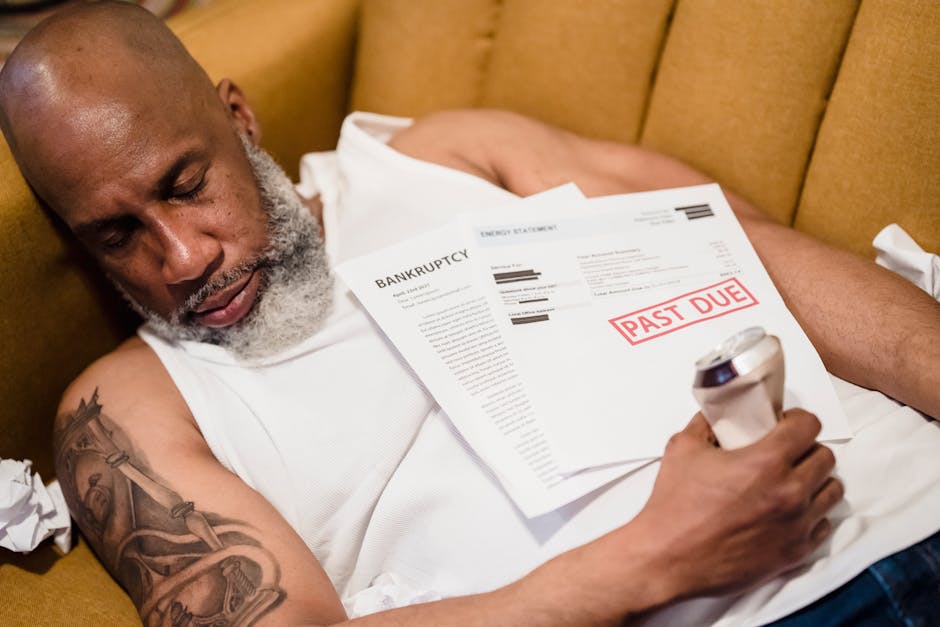
New research from the Fossil Fuel Treaty Initiative reveals that the escalating debt crisis in developing countries is significantly impeding their ability to transition away from fossil fuels. This financial strain, often referred to as a ‘debt trap,’ forces many nations in the Global South to continue investing in fossil fuel infrastructure, thereby slowing down the global shift toward clean energy. The findings highlight a critical barrier to achieving the United Nations Sustainable Development Goals, particularly SDG 7 (Affordable and Clean Energy) and SDG 13 (Climate Action).
Developing countries face mounting external debt repayments, which limit fiscal space for investments in renewable energy projects. The necessity to service these debts often results in prioritizing short-term economic stability over long-term sustainability. As a consequence, fossil fuel industries persist as a primary source of energy and revenue, even as global momentum intensifies to phase out coal, oil, and gas to curb greenhouse gas emissions.
Experts emphasize the urgency of creating viable financial exit routes from this debt trap to enable developing nations to invest in sustainable energy solutions. Innovative debt restructuring, climate finance mechanisms, and international cooperation are essential to alleviate the fiscal pressures that constrain green investments. Without such measures, the risk of locking in carbon-intensive infrastructure remains high, undermining global efforts to limit temperature rise and protect vulnerable communities.
The research calls on multilateral development banks, creditor nations, and international organizations to collaborate on tailored financial instruments that support the energy transition in debt-burdened countries. This approach aligns with the broader climate justice agenda, recognizing that many developing countries bear disproportionate climate risks despite contributing least to global emissions. Addressing the debt-energy nexus is therefore critical to ensuring an inclusive and equitable pathway to a sustainable future.