

 UN

A forecast for preparation, not a count of harm
UNICEF’s assessment published on 6 October 2026 places more than 347 million children within areas facing a forecast shift in rainfall during October–December 2026. The figure describes where children live, rather than how many have already suffered damage. The UNICEF assessment connects the outlook to El Niño and warns of possible disruption to water supplies, health and schooling.
Different rainfall risks, different responses
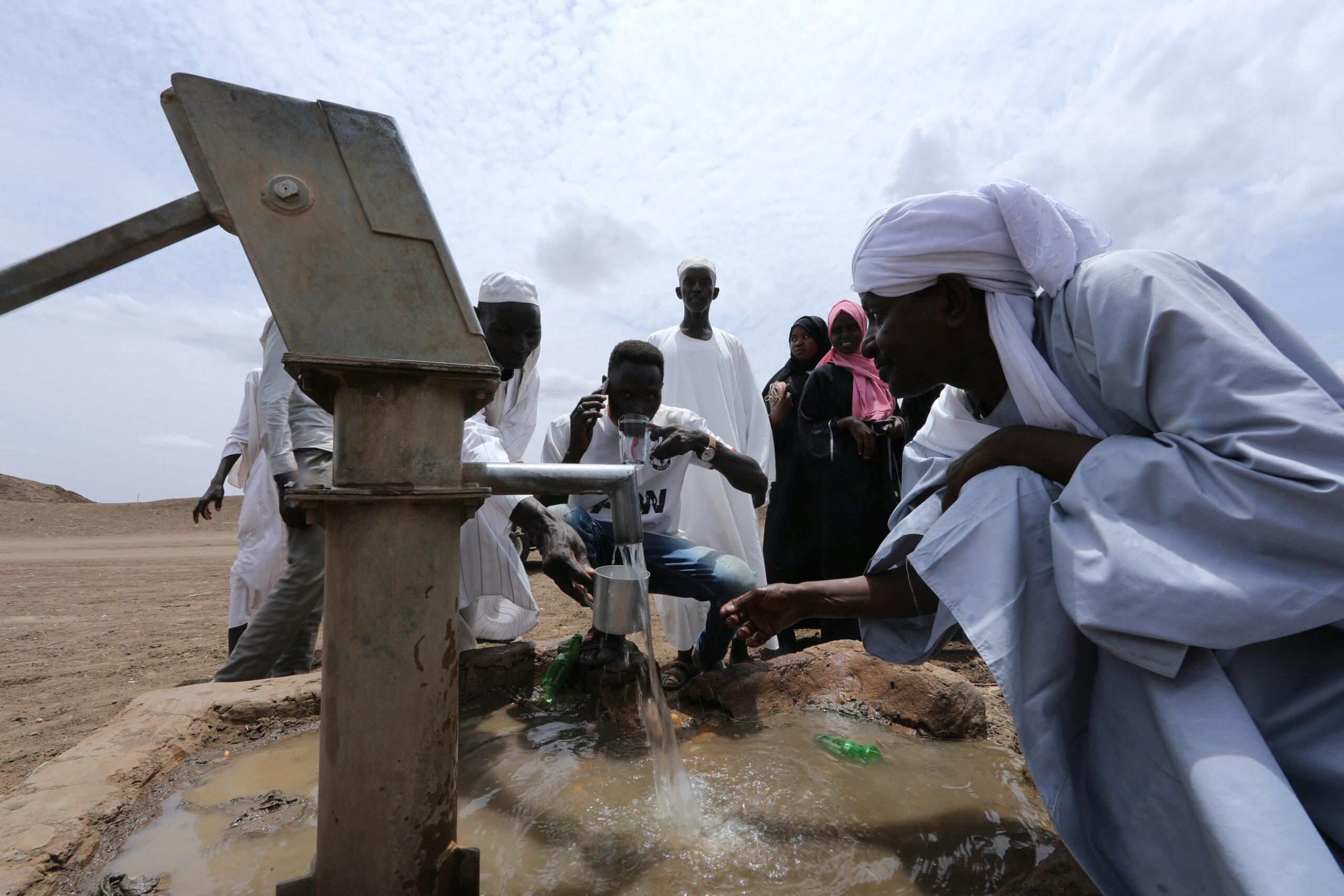
Drier conditions may worsen water scarcity and food insecurity; heavier rainfall can bring flooding and water-borne disease. These are potential consequences, not outcomes guaranteed for every child in the forecast areas. UNICEF urges early investment in essential services and climate resilience before needs become emergencies.
What the estimate can tell decision-makers
The October 2026 assessment combines a seasonal outlook issued in September 2026 with child-population data. Its broad geographical estimates are intended to identify areas requiring attention. Local risk and actual impacts remain uncertain, and forecasts can change.
For education planners, guidance from UNICEF and Save the Children sets out how to identify vulnerable schools, prepare continuity arrangements and connect forecasts with early action. For communities, the practical value of the warning lies in preparing services while there is still time, rather than treating exposure as a prediction of inevitable loss.