


 UN
UN
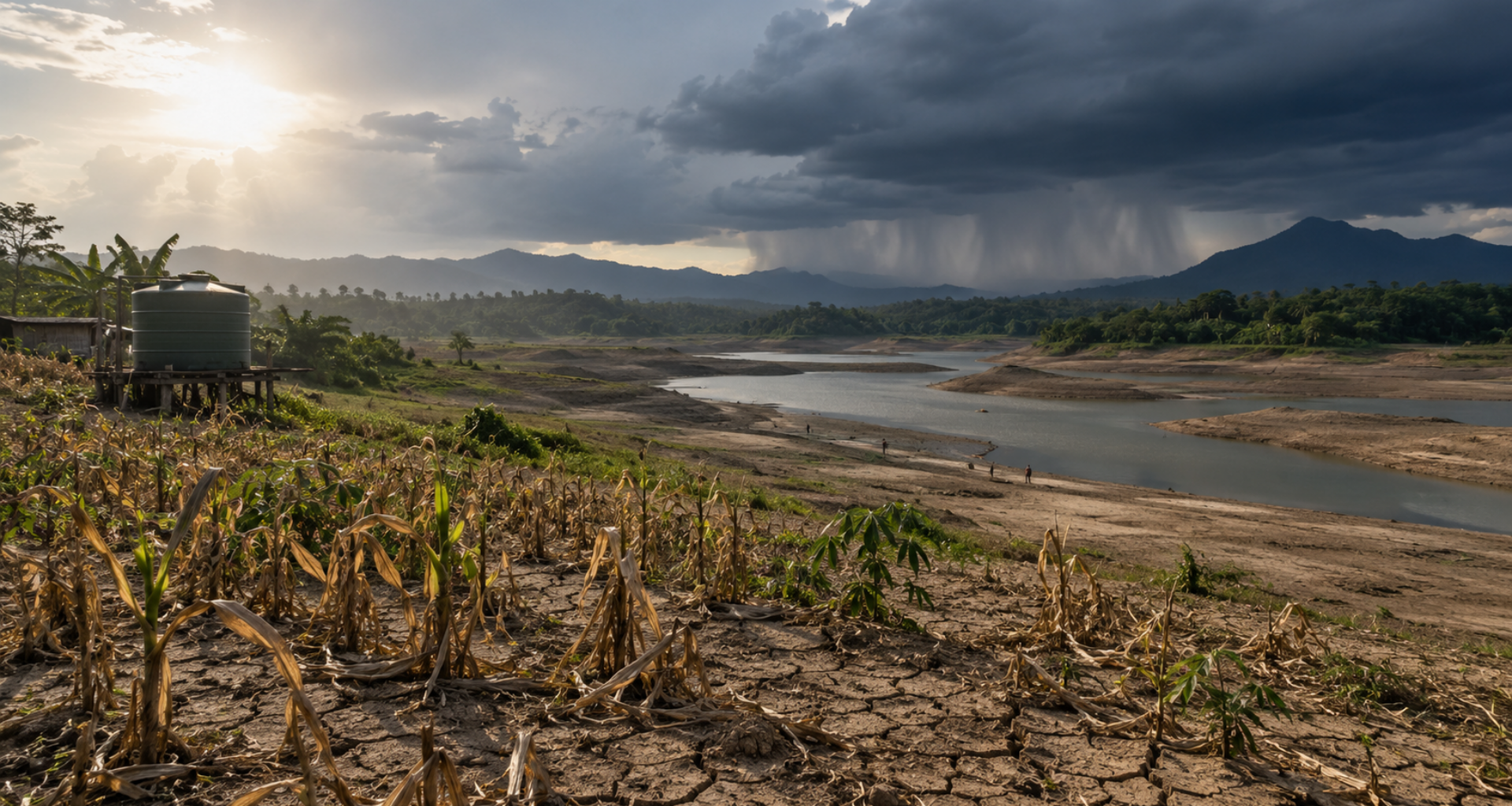
The El Niño weather phenomenon is once again drawing attention due to its impact on water security and agricultural production, as well as the risks of drought and extreme rainfall across different regions of the world. Declining water resources and agricultural losses in Papua New Guinea highlight the importance of preparedness for changing climate conditions.
Associated with changes in ocean temperatures in the Pacific, El Niño influences global weather patterns, potentially leading to reduced rainfall in some regions and excessive precipitation in others.
In countries such as Papua New Guinea, where agricultural production and local water resources are highly sensitive to weather conditions, drought poses a significant threat to food security.
Risks May Intensify with Climate Change
Although El Niño is a natural climate phenomenon, extreme temperatures and water stress can have more severe consequences when its effects coincide with those of global warming.
Experts emphasize the importance of strengthening drought-resistant agricultural practices, water storage systems, and early warning mechanisms.