


 UN
UN 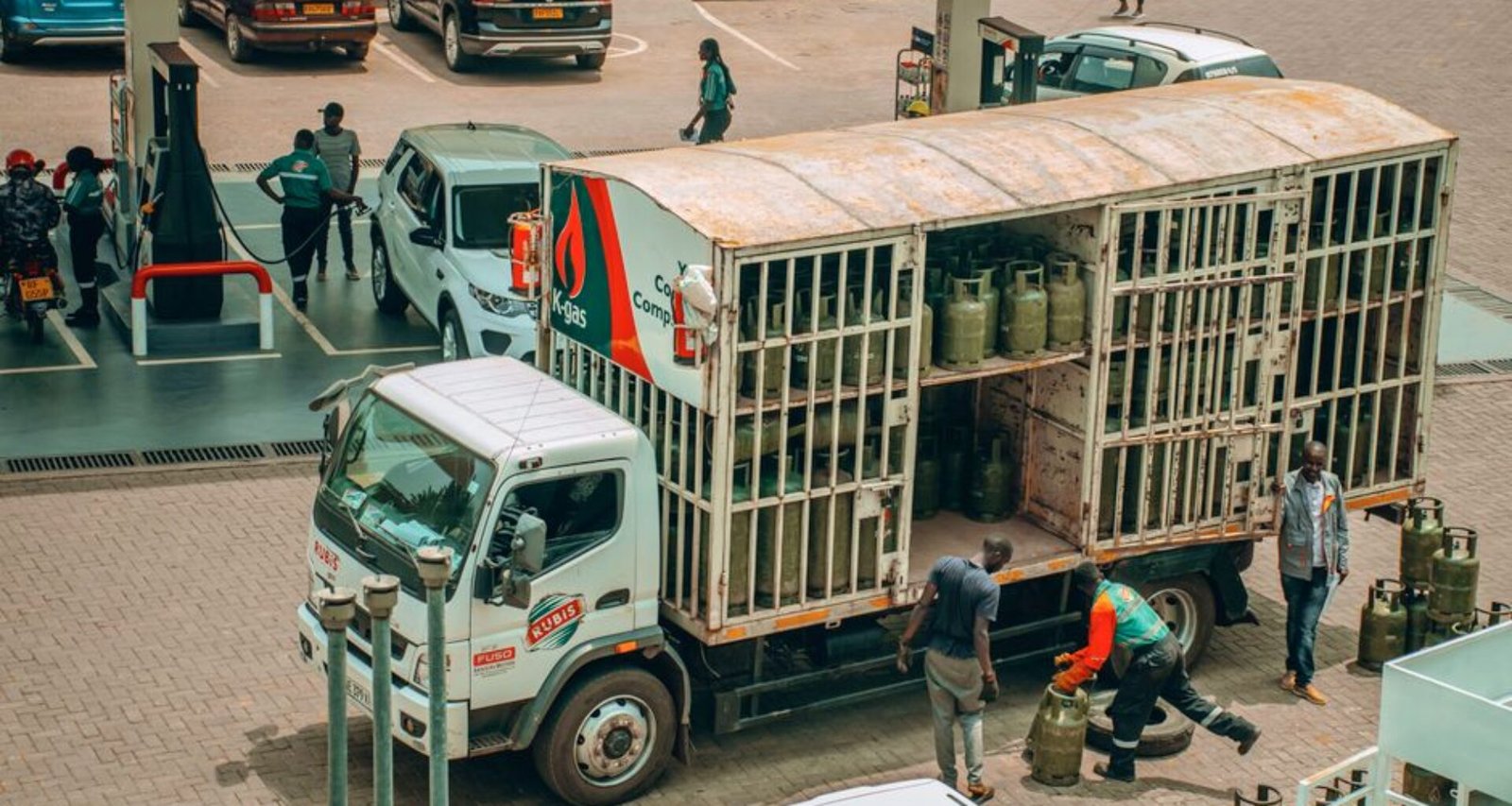
Disruptions in the Strait of Hormuz this week are reverberating far beyond the Middle East, with the International Energy Agency (IEA) warning that tight supplies of liquefied petroleum gas (LPG) are undermining Africa’s transition to cleaner cooking solutions. The shipping chokepoint—responsible for nearly 40% of global LPG exports—has seen tanker movement drop sharply since late June, following escalating military tensions involving Iran.
In Lagos, Nigeria, LPG retailers reported price spikes of up to 22% since Monday, forcing low-income families to revert to charcoal and wood. The Clean Cooking Alliance, an international NGO, confirmed that several ongoing pilot projects in Kenya and Ghana are now on hold due to unreliable LPG deliveries. “We’re seeing a direct impact on our ability to scale up access by the end of 2026,” said project lead Amina Owino during a Thursday call with regional partners.
The IEA’s mid-year assessment, released this morning, estimates that at least 9 million African households may miss planned 2026 targets for adopting cleaner fuels, a setback for SDG 7 (Affordable and Clean Energy). While governments pledged in the African Union’s 2026 roadmap to halve traditional biomass use for cooking, experts now caution that these ambitions could be derailed without diversified fuel sources.
Analysts at BloombergNEF noted that some oil majors, including TotalEnergies and Shell, have publicly committed to stabilizing LPG supplies to African markets. However, as of this week, there is little evidence of increased shipments or price relief on the ground. “Corporate statements are not yet translating into tangible delivery,” said Nnenna Okereke, an energy policy researcher based in Abuja.
With summer heatwaves driving up domestic energy demand, policymakers across Sub-Saharan Africa face a critical juncture. Calls are intensifying for renewed investment in biogas, electric cooking, and local LPG production to buffer against future supply shocks.
Frequently Asked Questions
Why are LPG shortages occurring in Africa?
LPG shortages in Africa are due to disruptions in the Strait of Hormuz caused by Iran-related tensions, which have reduced tanker movements and global LPG exports.
How have LPG prices changed in Nigeria recently?
LPG prices in Lagos, Nigeria, have spiked by up to 22% since Monday.
What impact are LPG shortages having on clean cooking initiatives in Africa?
LPG shortages are stalling clean cooking progress, forcing families to revert to charcoal and wood, and causing pilot projects in Kenya and Ghana to be put on hold.
How many African households may miss clean cooking targets due to the LPG shortage?
At least 9 million African households may miss the 2026 targets for adopting cleaner fuels, according to the IEA.
Are oil companies increasing LPG shipments to Africa in response to shortages?
Despite public commitments from oil majors like TotalEnergies and Shell, there is little evidence of increased LPG shipments or price relief in African markets as of this week.