

 UN
UN 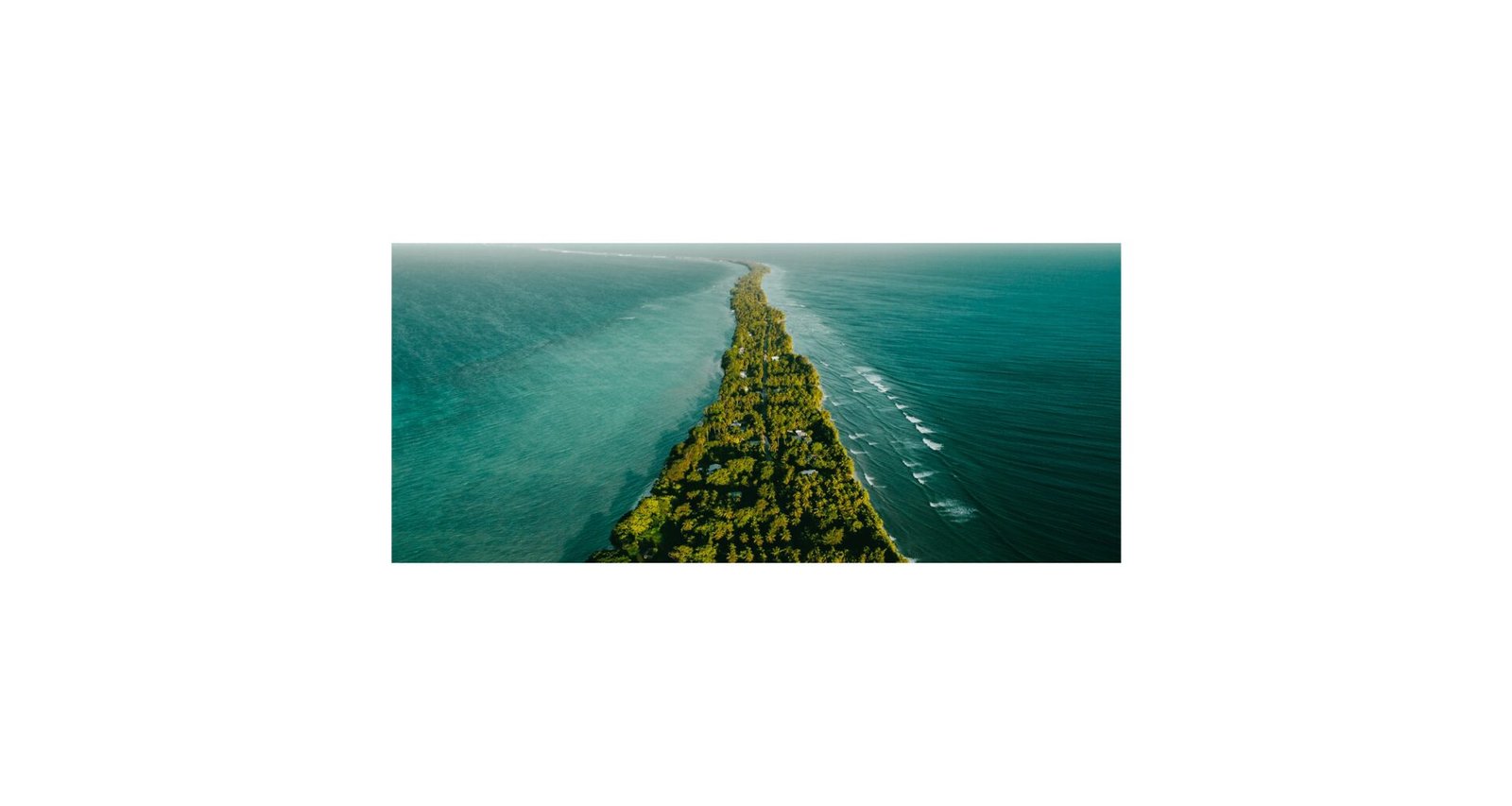
Climate resilience is also an economic concentration story
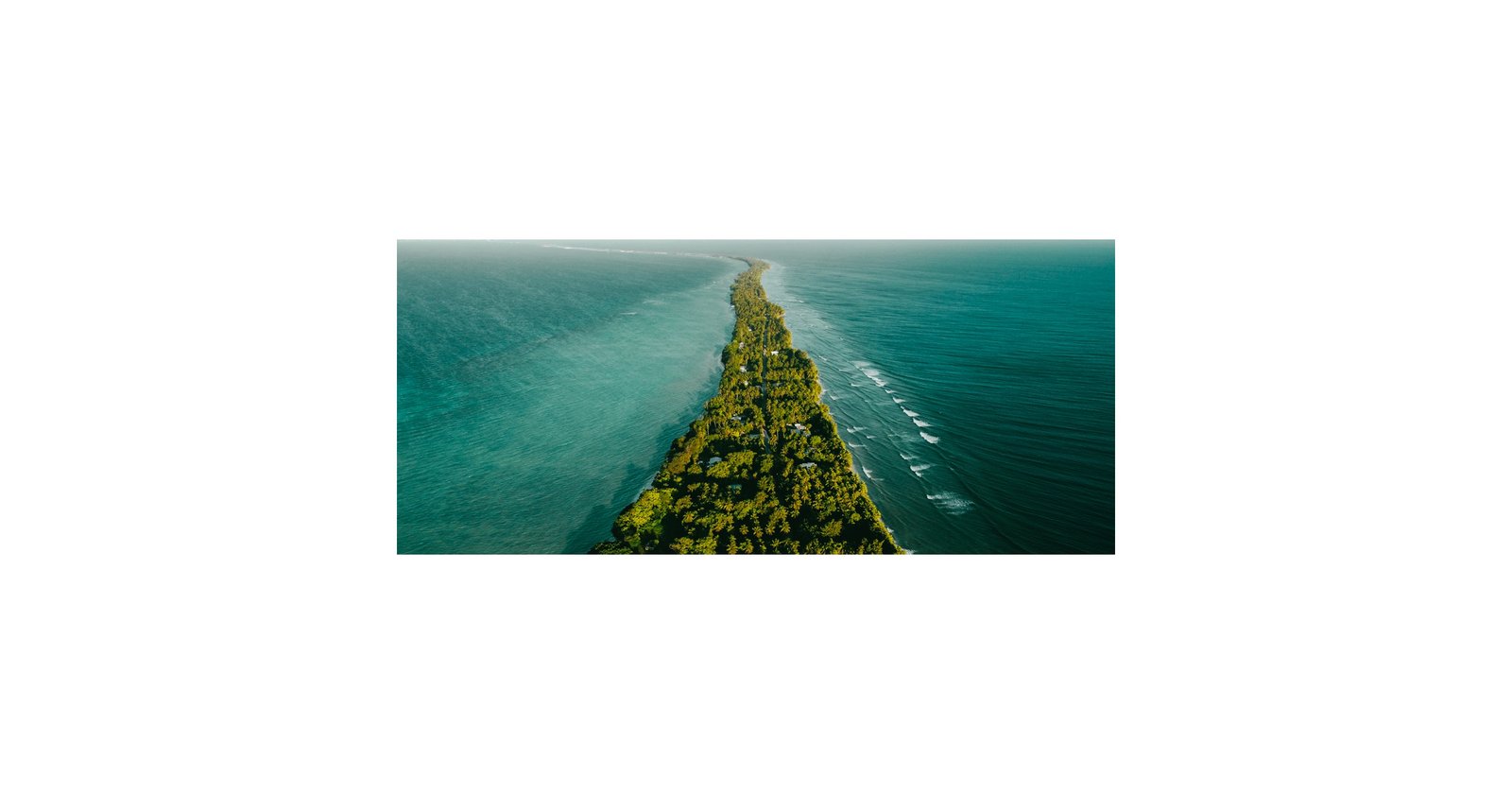
Small island vulnerability is often discussed in abstract terms: sea-level rise, storms, flooding and exposure. The Marshall Islands announcement is more concrete than that. It focuses on Majuro, the capital and main economic center, where population, government activity and livelihoods are tightly concentrated.
That concentration changes the meaning of resilience. When risk piles up in one urban area, infrastructure failure is not only a climate problem. It becomes a jobs problem, a service-delivery problem and a development problem at the same time.
Why this matters for the SDGs
This is why the latest World Bank support is worth reading as more than an adaptation finance update. The SDG relevance spans climate action, sustainable cities and decent work. Public buildings, emergency coordination systems and urban planning rules can sound technical, but they shape whether a city can keep functioning when a shock arrives.
For small island states, resilience is rarely a separate environmental agenda. It is part of whether schools stay open, government services remain usable and people can keep working after disruption. In places where the economy is geographically concentrated, climate resilience becomes labor-market protection almost by default.
Evidence and sources
The World Bank’s April 8, 2026 press release said communities in the Republic of the Marshall Islands would be better protected from climate and disaster risks through new support aimed at strengthening urban resilience, safeguarding livelihoods and protecting jobs in Majuro. The release said the additional financing for the RMI Urban Resilience Project would scale up investments in public buildings and spaces, strengthen national disaster preparedness and response systems, build institutional capacity for risk-informed urban planning, support building code implementation and deliver multi-purpose emergency management facilities.
The most important point is not only the financing itself but the framing around it. The Bank is effectively describing resilience as the capacity to preserve economic and civic continuity, not merely to repair damage after the fact. That is a useful shift for SDG conversations, which sometimes separate climate risk from labor and urban governance when, in practice, they are inseparable.
What happens next
The next thing to watch is execution. In resilience policy, the distance between announced support and real protection is often the distance between planning and maintenance, codes and enforcement, buildings and actual emergency readiness.
If the Majuro work is delivered well, it will strengthen the case that climate adaptation in vulnerable urban centers should be treated as core economic policy. That may be the more durable lesson here: in highly exposed places, resilience spending is part of protecting work, not a side project beside it.