




 UN
UN 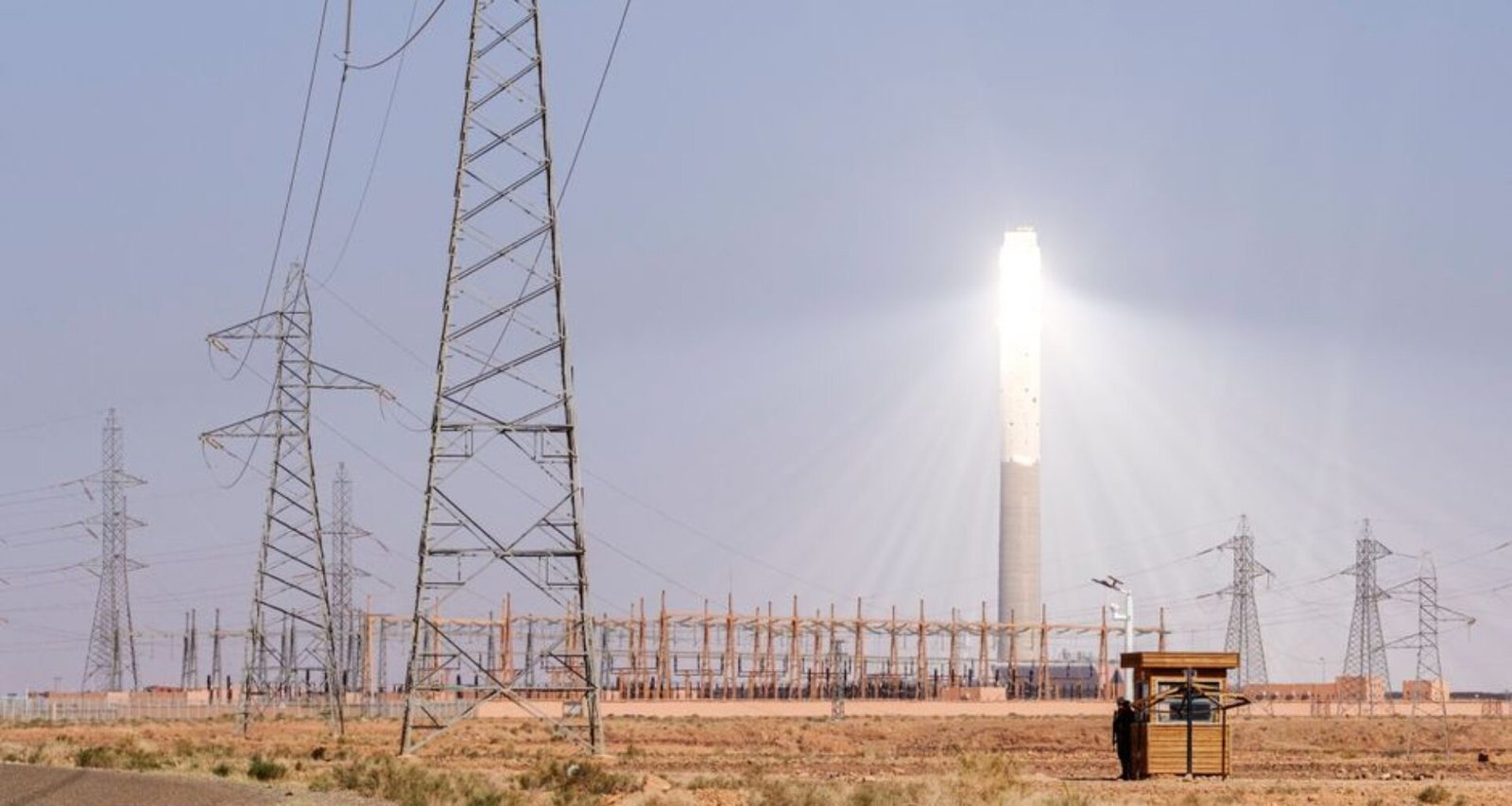
- Noor III solar plant exceeded 90% of its July 2024 output target.
- Moroccan Agency for Sustainable Energy (MASEN) oversees the facility.
- Grid expansion verdict set for October 2026, per Ministry of Energy.
Morocco’s 150 MW Noor III facility, part of the world’s largest concentrated solar complex near Ouarzazate, surpassed its operational target for July by delivering 93% of projected electricity output, according to monthly performance data released by the Moroccan Agency for Sustainable Energy (MASEN). This represents a significant step in the country’s aim for 52% renewable electricity by 2030. MASEN attributed this output to improved thermal storage efficiency and stable summer weather patterns.
The Ministry of Energy Transition and Sustainable Development confirmed that a formal assessment of Noor III’s grid integration is underway, with a decision on network expansion scheduled for October 2026. The review focuses on technical feasibility, cost-benefit analysis, and grid stability impacts, aligning with Morocco’s 2030 renewable energy roadmap. Independent experts from the International Energy Agency (IEA) are also involved in the evaluation process.
While the July output figure surpasses previous months, policy researchers caution that one-off performance peaks do not guarantee year-round consistency. MASEN has announced plans to publish quarterly public reports through 2026, aiming to address skepticism from both domestic NGOs and international climate finance observers. Several groups, including Transparency Maroc, have called for independent verification to counter greenwashing concerns.
If approved in 2026, Noor III’s grid capacity expansion could increase its annual contribution to Morocco’s national electricity mix by up to 8%, according to preliminary Ministry forecasts. The result would be greater grid flexibility and enhanced reliability of renewable power supply, supporting Morocco’s SDG 7 (Affordable and Clean Energy) and SDG 13 (Climate Action) commitments.
Frequently Asked Questions
What is the current output status of Noor III solar plant?
Noor III delivered 93% of its targeted electricity output in July 2024, surpassing its planned performance. MASEN credits improved thermal storage and favorable weather for the result. Output data will be monitored quarterly moving forward to ensure transparency and consistency.
When will Morocco decide on expanding Noor III’s grid integration?
The Ministry of Energy Transition and Sustainable Development has scheduled a final decision on grid expansion for October 2026. This follows a technical and economic feasibility review, with input from IEA experts. The expansion could boost renewable power in Morocco’s grid by up to 8%.
Are there concerns over Noor III’s claims and reporting?
Several NGOs and policy researchers have raised concerns about potential greenwashing and data transparency. MASEN has pledged to release quarterly independent performance reports until 2026. Calls for third-party verification remain active as part of broader accountability measures.
Frequently Asked Questions
What percentage of its targeted electricity output did Noor III achieve in July 2024?
Noor III delivered 93% of its targeted electricity output in July 2024, surpassing its planned performance.
Who manages the Noor III solar plant in Morocco?
The Noor III solar plant is managed by the Moroccan Agency for Sustainable Energy (MASEN).
When will the decision on Noor III’s grid expansion be made?
A final decision on expanding Noor III’s grid integration is scheduled for October 2026 by the Ministry of Energy Transition and Sustainable Development.
How much could Noor III’s contribution to Morocco’s electricity mix increase if the grid expansion is approved?
If approved, Noor III’s grid capacity expansion could increase its annual contribution to Morocco’s national electricity mix by up to 8%.
What measures are being taken to ensure transparency about Noor III’s performance?
MASEN will publish quarterly independent performance reports through 2026, and independent experts from the International Energy Agency are involved in the evaluation process.