



 UN
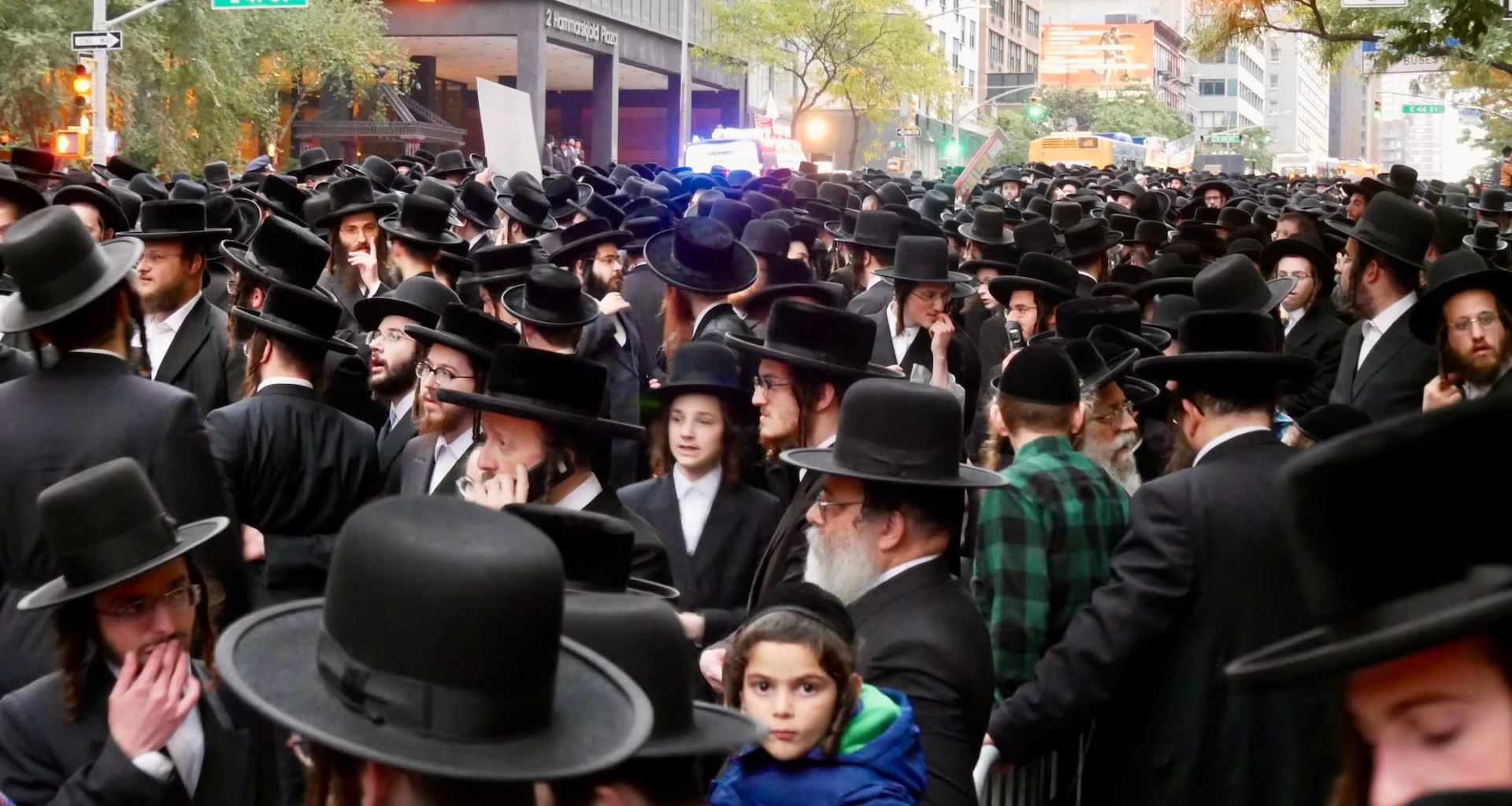
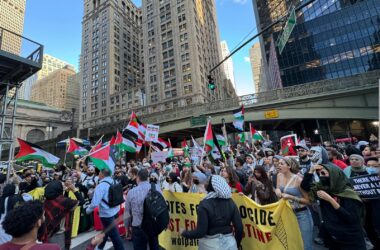
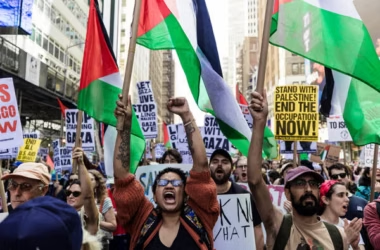
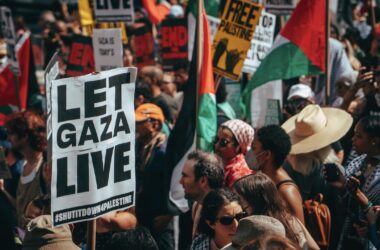
Hundreds of Orthodox Jewish demonstrators gathered outside the Israeli Consulate in New York City to protest Israel’s military conscription policies, ongoing military operations and the treatment of religious communities that oppose compulsory service.
Organized by the Rabbinical Alliance of the USA, the demonstration brought together members of anti-Zionist Orthodox Jewish communities who expressed opposition to the Israeli government’s policies and called for greater protection of religious freedom and freedom of expression.
Participants argued that requiring individuals to serve in the military against their religious convictions violates fundamental rights, while alleging that religious objectors in Israel have faced arrests, intimidation and other forms of pressure.
Religious Freedom at the Center of the Protest
Demonstrators criticized efforts to expand military conscription among ultra-Orthodox Jewish communities in Israel, particularly those whose religious beliefs prohibit participation in military service.
Organizers maintained that compulsory enlistment conflicts with their interpretation of Jewish religious teachings and individual freedom of conscience.
In a statement, the organizing committee argued that forcing religious Jews into military service against their beliefs constitutes a violation of religious freedom. It also raised concerns about the treatment of individuals protesting Israeli government policies.
The demonstration highlighted longstanding disagreements within Israeli society over military service requirements and exemptions for religious communities.
Rabbi David Feldman Criticizes Israeli Policies
Speaking outside the consulate, Rabbi David Feldman expressed opposition to Israel’s military operations and efforts to enlist members of anti-Zionist religious communities.
Feldman argued that participation in the Israeli military would conflict with the religious principles upheld by his community.
He also criticized what he described as pressure on religious Jews who refuse military service or publicly oppose government policies.
According to Feldman, the issue extends beyond conscription to include questions of religious identity, freedom of conscience and the right to express dissent without fear of punishment.
Distinguishing Judaism from Zionism
During his remarks, Feldman emphasized the distinction his community draws between Judaism as a religion and Zionism as a political movement.
He argued that the State of Israel does not represent all Jewish people or the full range of Jewish religious perspectives.
Feldman said that his community’s opposition to Zionism is rooted in its interpretation of Jewish religious teachings and that members reject participation in the Israeli military on those grounds.
His comments reflected the position of anti-Zionist Orthodox Jewish groups, whose views differ from those of other Jewish communities regarding Israel, Zionism and military service.
Appeal to the International Community
Feldman also called on United Nations member states to pay greater attention to the treatment of religious communities and individuals who oppose military conscription.
Speaking near UN headquarters, he urged the international community to defend the rights of people facing what he described as religious and political persecution.
He maintained that religious freedom and freedom of expression should be protected regardless of an individual’s political or religious beliefs.
The demonstrators called for an end to measures they believe restrict the ability of anti-Zionist religious Jews to practice their faith and express opposition to Israeli government policies.
Demonstration Concludes Peacefully
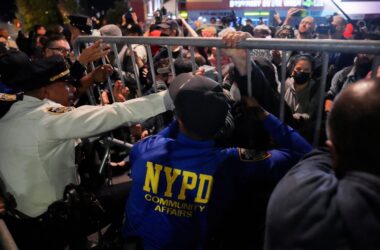
New York police maintained a security presence outside the Israeli Consulate as demonstrators delivered speeches and voiced their opposition to the Israeli government’s policies.
According to reports from the event, the gathering concluded without major incidents, and participants dispersed following the speeches.
The protest drew attention to continuing disagreements over military conscription in Israel and highlighted differing perspectives within Jewish communities on religious freedom, political identity and military service.