




 UN
UN 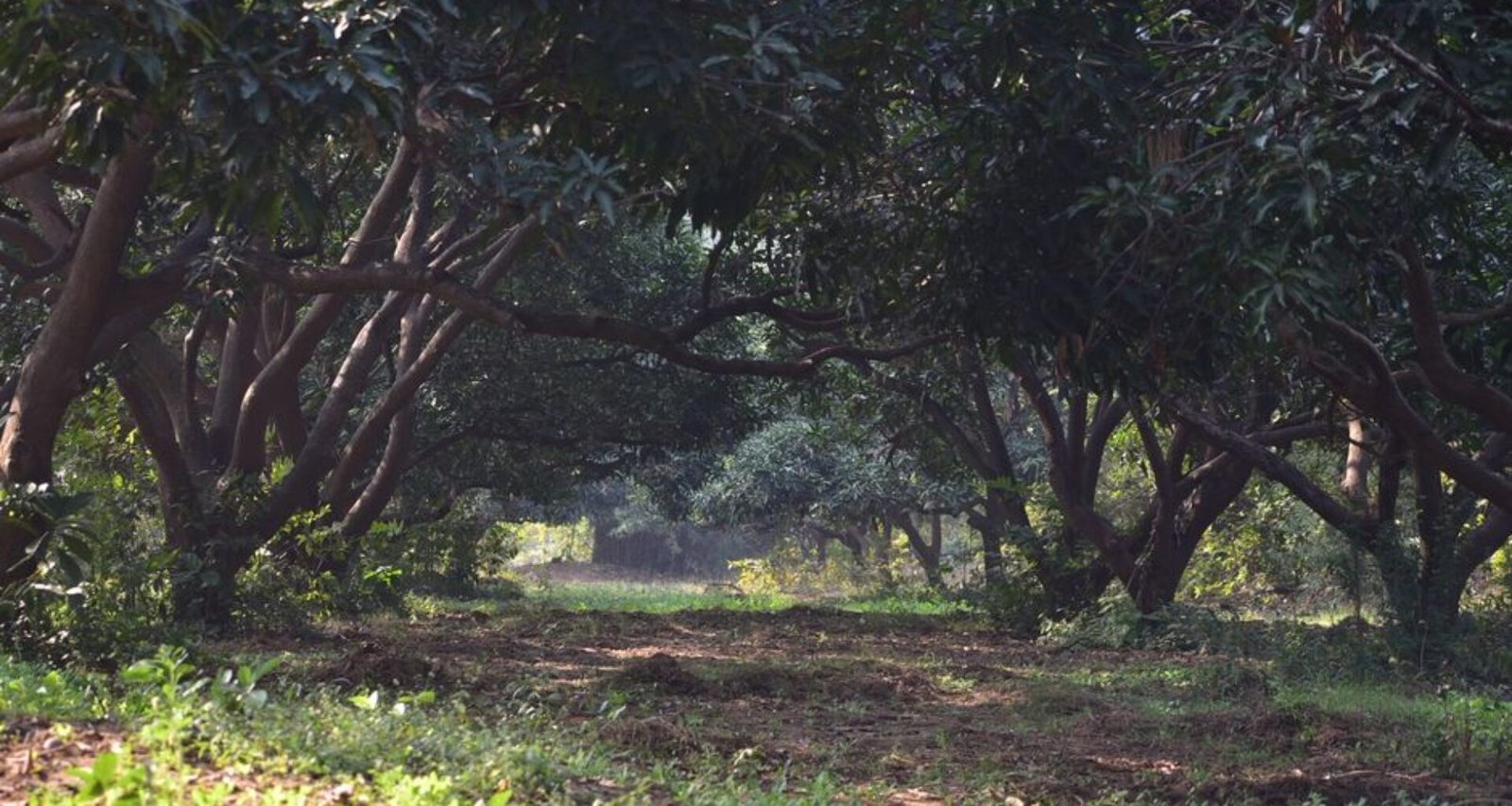

Tuesday’s midday sun found the village of Devimane in Karnataka’s section of the Western Ghats unusually quiet, as elders gathered beneath the canopy of a centuries-old sacred grove. These groves—some less than two hectares—have emerged as hotspots of biodiversity and natural regeneration, surpassing the region’s national parks in their ability to foster future forests.
A peer-reviewed study released this week by the Indian Institute of Science surveyed 37 sacred groves across Maharashtra and Karnataka. Researchers documented that these community-protected patches host 28% more regenerating saplings per hectare than adjacent state-managed reserves. The tallest trees, some exceeding 40 meters, are routinely found inside these groves, which local communities have shielded from logging and encroachment in accordance with spiritual beliefs linking the land to ancestral deities.
The findings have immediate implications for SDG 15 (Life on Land) and India’s 2030 forest cover commitments, especially as the government weighs new reforestation incentives for the monsoon planting season. While the Ministry of Environment, Forest and Climate Change is set to allocate ₹800 crore ($95 million) for afforestation grants in 2026, study co-author Dr. Priya Nair cautions that “top-down policies are no substitute for generational stewardship.” She notes that none of the surveyed sacred groves recorded illegal timber extraction in the past year, compared to 17% of nearby protected areas.
With heatwaves pushing temperatures above 34°C across the Ghats this week, local leaders are calling for formal recognition of sacred groves within state biodiversity registers. If adopted, this could extend legal protections and direct funding to over 10,000 such sites. For now, the groves remain largely outside India’s official conservation network, maintained through customary law rather than state enforcement.
The study’s authors urge policymakers gathering in Thiruvananthapuram later this month to consider integrating sacred groves into India’s climate adaptation strategies. As SDG progress assessments ramp up ahead of the next global stocktake, India’s sacred groves offer empirical evidence that community-led conservation outpaces some formal mechanisms in both resilience and regeneration.
Frequently Asked Questions
What are sacred groves in the Western Ghats?
Sacred groves are community-protected forest patches in the Western Ghats, often preserved due to spiritual beliefs linking the land to ancestral deities.
How do sacred groves compare to state-managed parks in forest regeneration?
Sacred groves host 28% more regenerating saplings per hectare than adjacent state-managed reserves, according to a recent study.
Is illegal timber extraction a problem in sacred groves?
None of the surveyed sacred groves recorded illegal timber extraction in the past year, while 17% of nearby protected areas did.
How many sacred groves could receive legal protection in India?
Over 10,000 sacred groves could receive legal protection and funding if formally recognized in state biodiversity registers.
How much funding is planned for afforestation in India in 2026?
The Ministry of Environment, Forest and Climate Change plans to allocate ₹800 crore ($95 million) for afforestation grants in 2026.