UN
UN
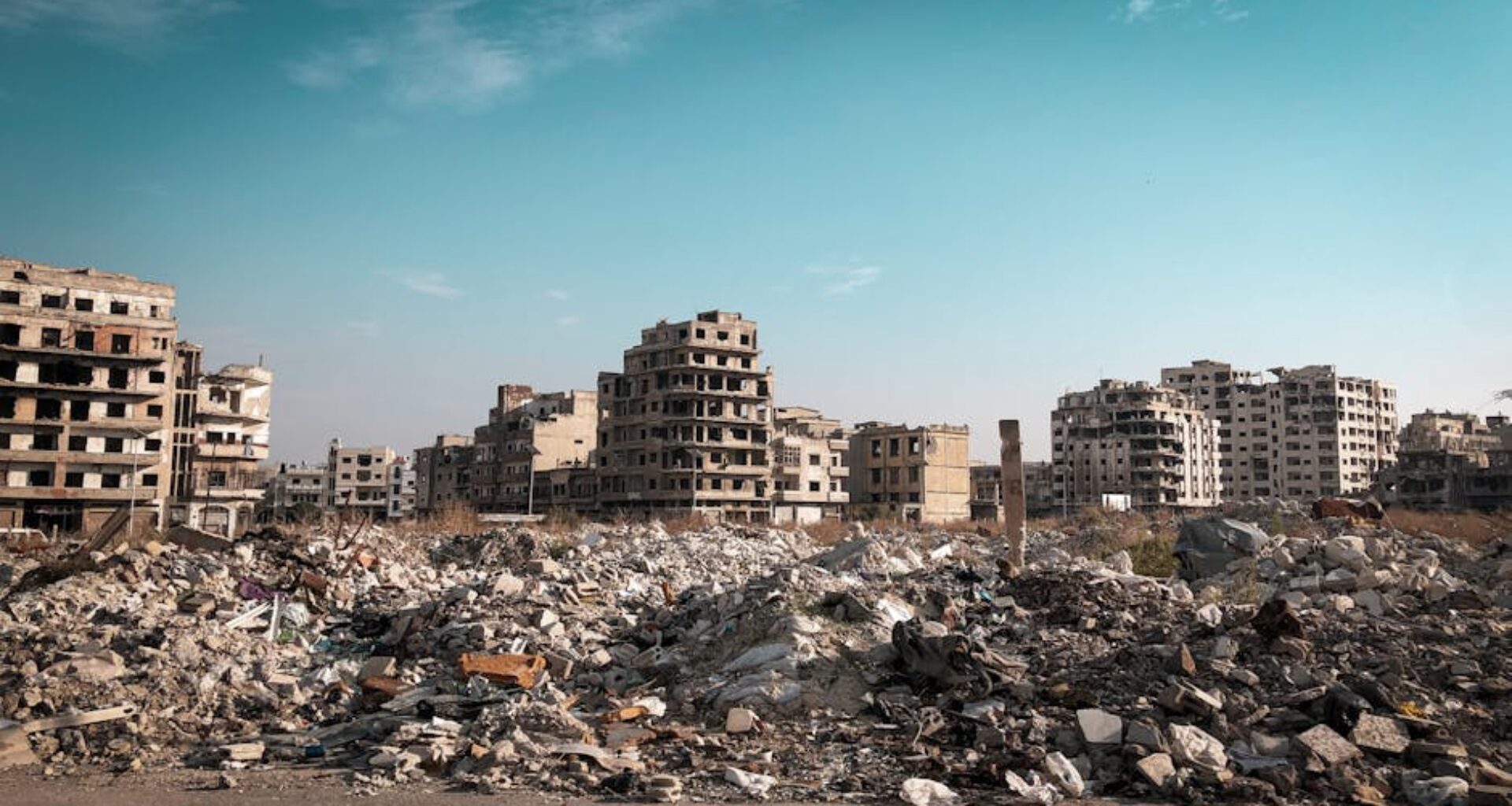
The environmental toll of armed conflict extends far beyond the immediate devastation of lives and infrastructure. Increasingly, experts warn that warfare generates significant carbon emissions that have been largely overlooked in global climate assessments. Recent analysis highlights that the climate cost of war is neither hypothetical nor negligible; rather, it is quantifiable and contributes materially to the escalating climate crisis.
Military operations involve extensive fossil fuel consumption, destruction of ecosystems, and infrastructure damage that releases greenhouse gases. From the manufacture and deployment of weaponry to the rebuilding efforts following conflict, the carbon footprint accumulates in ways that are often invisible in national emissions inventories. The challenge lies in accurately accounting for these emissions to understand their full scale and integrate them into climate policy frameworks.
Carbon accounting, a method traditionally used by corporations and governments to measure greenhouse gas emissions, is emerging as a valuable tool to tackle this issue. By systematically tracking the emissions associated with military activities and war-related destruction, policymakers can gain a clearer picture of the climate implications of conflict. This approach also opens pathways to develop strategies to mitigate these emissions, fostering greater accountability and encouraging sustainable peacebuilding efforts.
Implementing carbon accounting in conflict contexts aligns with the broader Sustainable Development Goals (SDGs), particularly SDG 13 on climate action and SDG 16 on peace, justice, and strong institutions. Experts emphasize that recognizing and addressing the climate costs of war is crucial to achieving global climate targets. As climate change and conflict increasingly intersect, integrating carbon accounting into military and post-conflict reconstruction planning offers a promising avenue to reduce hidden emissions and promote resilience.
While the integration of carbon accounting in war zones presents practical and ethical challenges, the urgency of the climate crisis demands innovative solutions. International cooperation and transparency will be key to establishing robust frameworks that capture the environmental consequences of war. Ultimately, confronting the carbon footprint of conflict is not only a matter of environmental stewardship but also a critical step toward sustainable peace and security.