



 UN
UN
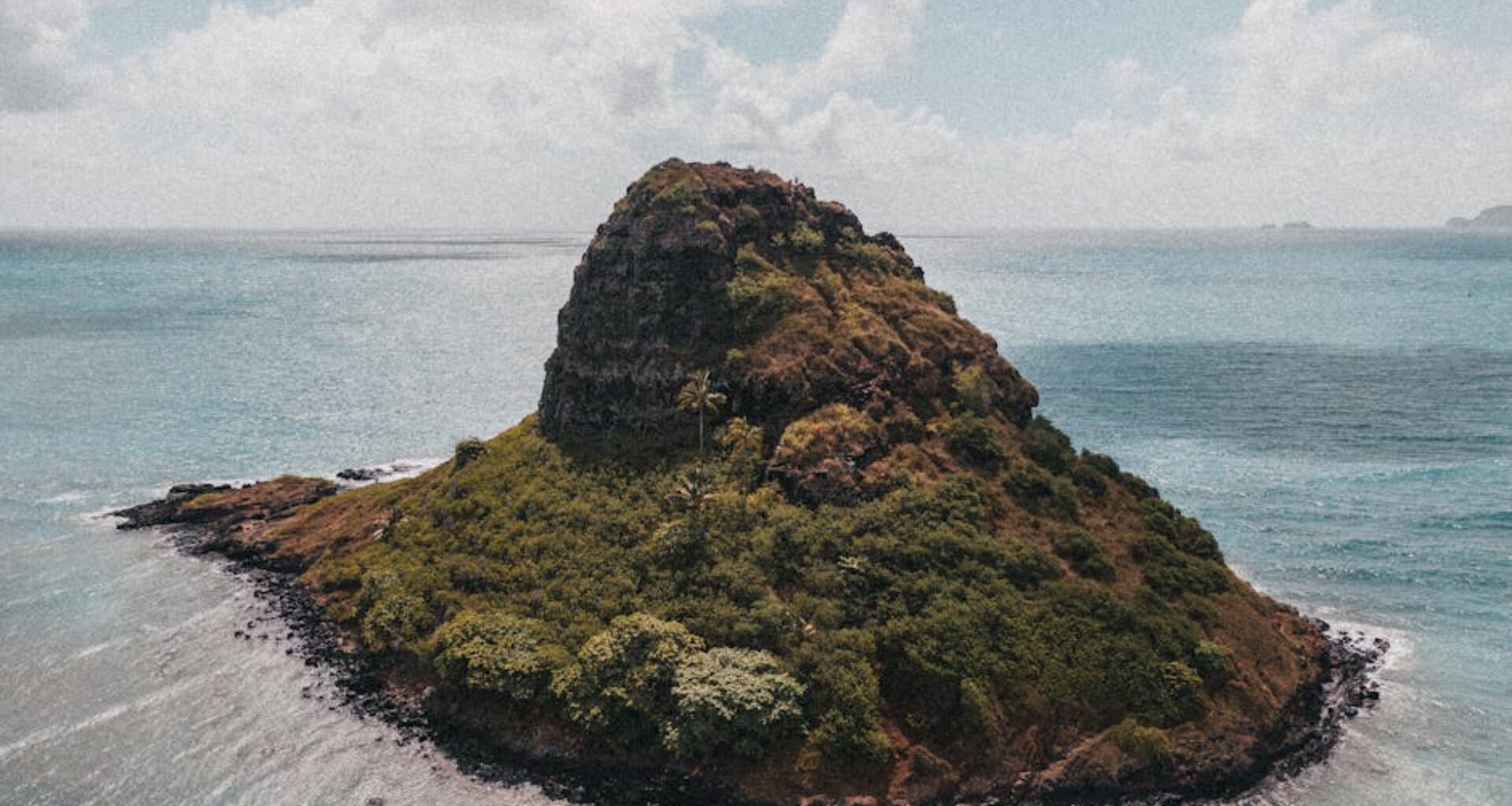
The accelerating impacts of climate change are posing an unprecedented threat to the cultural heritage of small island nations. Rising sea levels, intensified storms, and coastal erosion are endangering historical sites, traditional communities, and invaluable cultural landmarks that hold deep significance for island populations.
In response, island states across the Pacific, Indian Ocean, and Caribbean regions are actively developing adaptive strategies to safeguard their heritage. These efforts range from digital documentation of artifacts and oral histories to physical interventions such as relocating vulnerable structures and restoring natural barriers like mangroves.
Experts emphasize that preserving cultural heritage is not only about protecting physical sites but also about maintaining the identities and resilience of communities whose traditions have been passed down over generations. As Dr. Lina Matau, a cultural preservation specialist working with Pacific islanders, notes, “Heritage is the living memory of a people, and its loss would be an irreversible blow to cultural diversity and social cohesion.”
International support and collaboration have become vital to these initiatives, with organizations such as UNESCO and the Global Environment Facility providing technical and financial assistance. However, island nations stress the urgency of global climate mitigation efforts to reduce future risks, underscoring that adaptation alone cannot fully shield their cultural treasures.
The fight to preserve cultural heritage in the face of climate change exemplifies the interconnected challenges of environmental sustainability and social well-being, highlighting the need for integrated approaches aligned with the United Nations Sustainable Development Goals, particularly SDG 11 (Sustainable Cities and Communities) and SDG 13 (Climate Action).