UN
UN
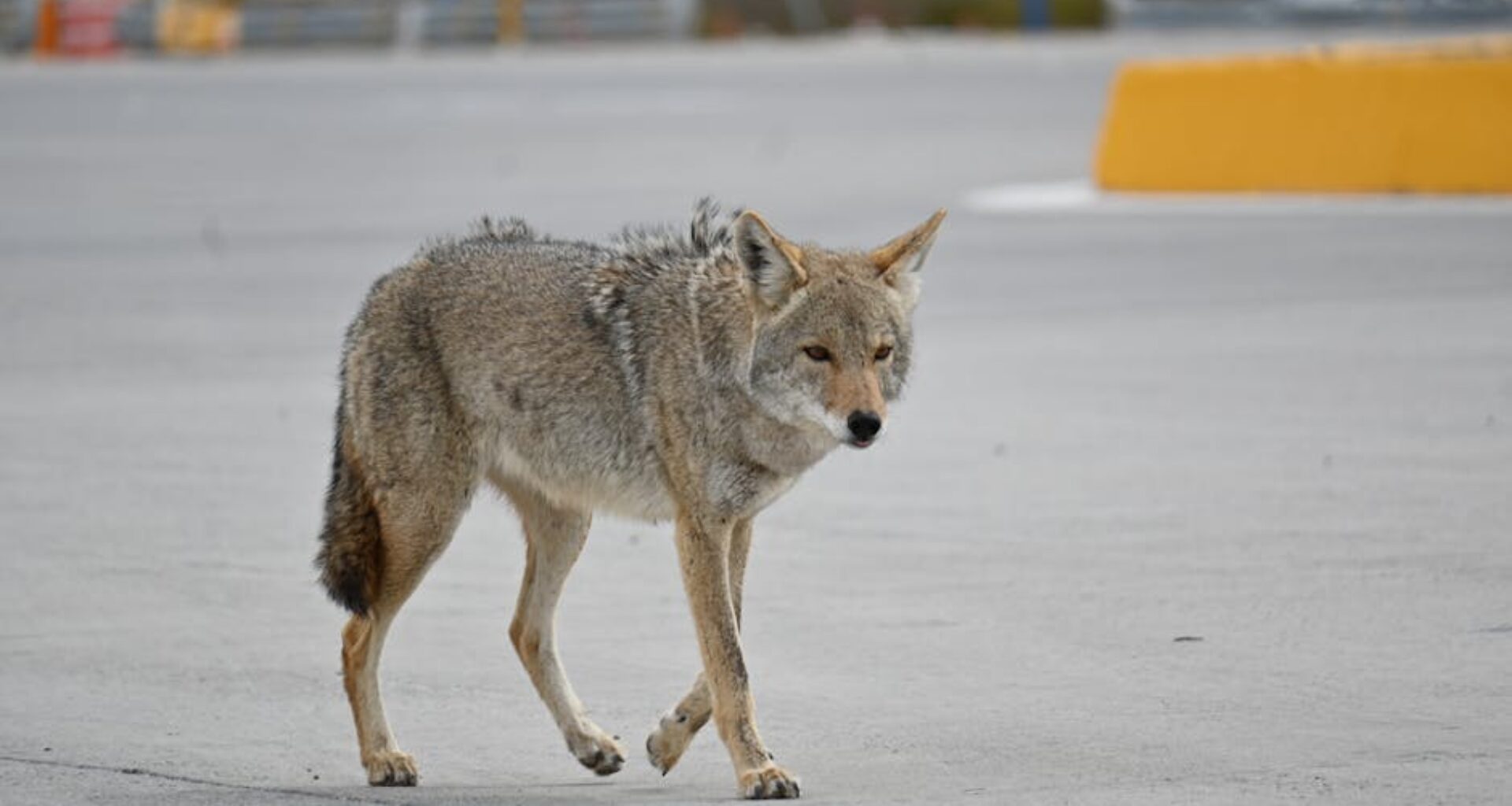
Coyotes have become a common presence across nearly every major urban and metropolitan area in the United States, adapting remarkably well to city life. Despite their growing numbers, conflicts between coyotes and humans remain surprisingly rare. Data collected between 1960 and 2006 from the U.S. and Canada documents only 146 coyote attacks on humans. In sharp contrast, domestic dog attacks in the U.S. alone are estimated at 4.5 million annually, underscoring that coyotes pose a far lower risk to human safety than many assume.
Experts attribute this low level of conflict to coyotes’ generally cautious behavior around people and their ability to exploit urban environments without direct confrontation. These adaptable canines often rely on scavenging and hunting smaller prey, effectively balancing their ecological role while avoiding aggressive encounters with humans. Urban planning and public education efforts that promote coexistence strategies have further helped reduce potential conflicts.
The increasing presence of coyotes in cities also highlights important considerations for sustainable urban wildlife management, a key component of the United Nations Sustainable Development Goal 11: Sustainable Cities and Communities. Encouraging coexistence with wildlife supports biodiversity conservation and helps maintain ecological balance within urban ecosystems.
However, experts caution that as urban coyote populations grow, ongoing public awareness and responsible behaviors are critical. Simple measures such as securing garbage, supervising pets, and avoiding feeding wildlife can significantly reduce negative interactions. Communities that embrace coexistence strategies not only protect residents but also contribute to healthier, more resilient urban environments.
This emerging model of human-wildlife coexistence offers valuable insights for cities worldwide grappling with similar challenges. By fostering respect and understanding of urban wildlife, cities can advance sustainability goals while preserving safe spaces for both people and animals.