UN
UN
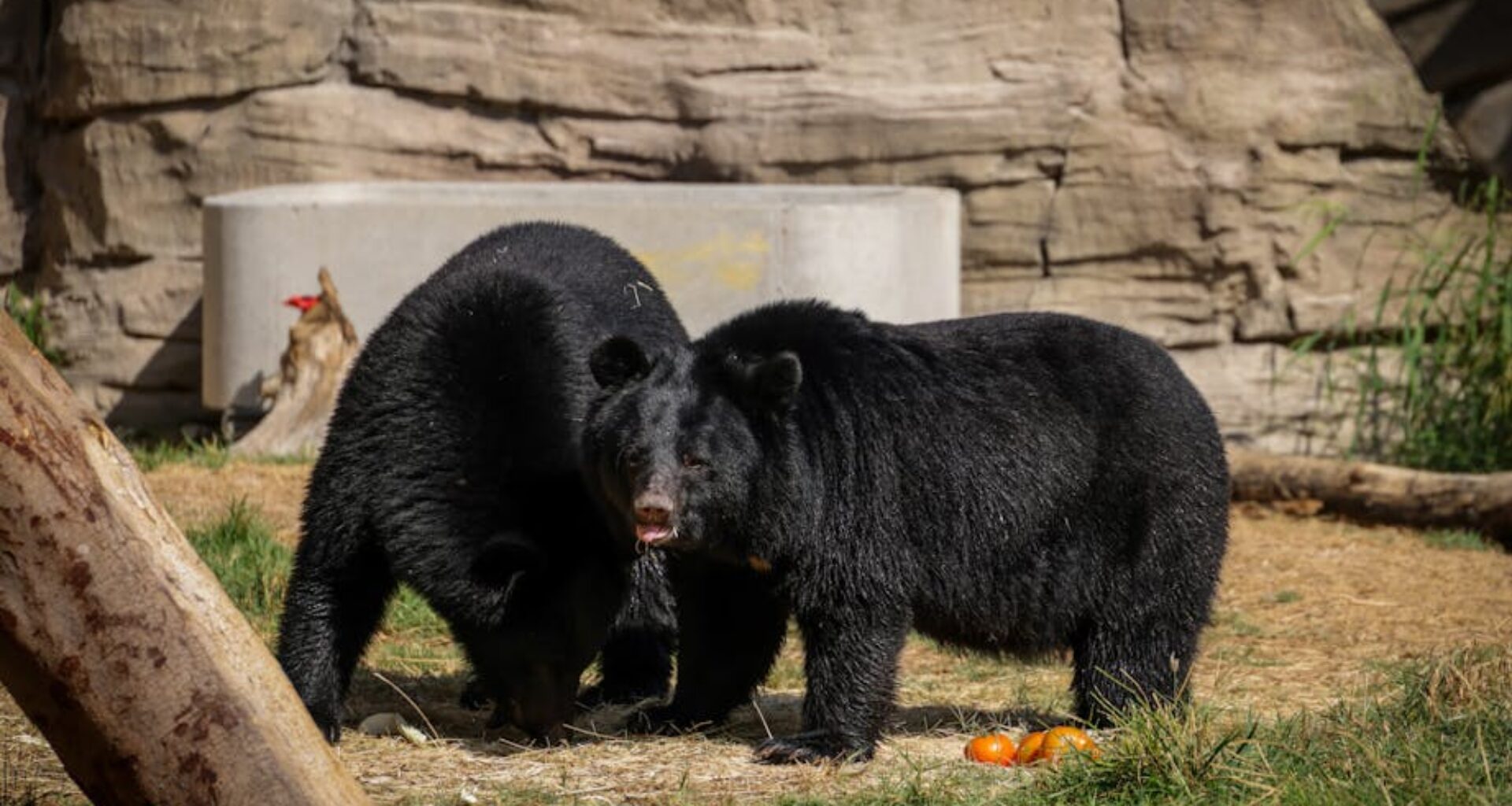
In a significant victory against illegal wildlife trafficking, two Asiatic black bear cubs, approximately two months old, were rescued in Laos after being listed for sale on Facebook. The rescue operation was coordinated by Free the Bears, an international conservation nonprofit, working closely with local authorities in Oudomxay province. The cubs had been advertised on social media platforms, underscoring the growing challenge of online wildlife trade.
Free the Bears discovered the illicit sale during routine monitoring of digital marketplaces, a strategy increasingly employed by conservation groups to combat the trafficking of endangered species. Asiatic black bears are often targeted for their bile, which is used in traditional medicine, and cubs are frequently captured to supply the illegal pet trade. Their vulnerable status has made them a priority for conservation efforts under the Convention on International Trade in Endangered Species (CITES).
The operation highlights the intersection of technology and wildlife crime, as traffickers increasingly exploit social media and online platforms to reach buyers. Enforcement agencies and NGOs are responding by enhancing digital surveillance and collaboration to intercept these transactions. The rescue not only prevents the cubs from entering the cruel cycle of exploitation but also serves as a deterrent against the misuse of social networks for wildlife trafficking.
Experts emphasize that while such rescue missions are critical, addressing the root causes of wildlife trafficking requires a multifaceted approach including stronger legal frameworks, community education, and alternative livelihoods to reduce demand. The incident also amplifies the need for global cooperation and innovative strategies to protect endangered species in the digital era.
This successful intervention is a testament to the vital role of partnerships between conservation organizations and government authorities in safeguarding biodiversity and advancing the Sustainable Development Goals, particularly SDG 15, which aims to protect, restore, and promote sustainable use of terrestrial ecosystems.