




 UN
UN
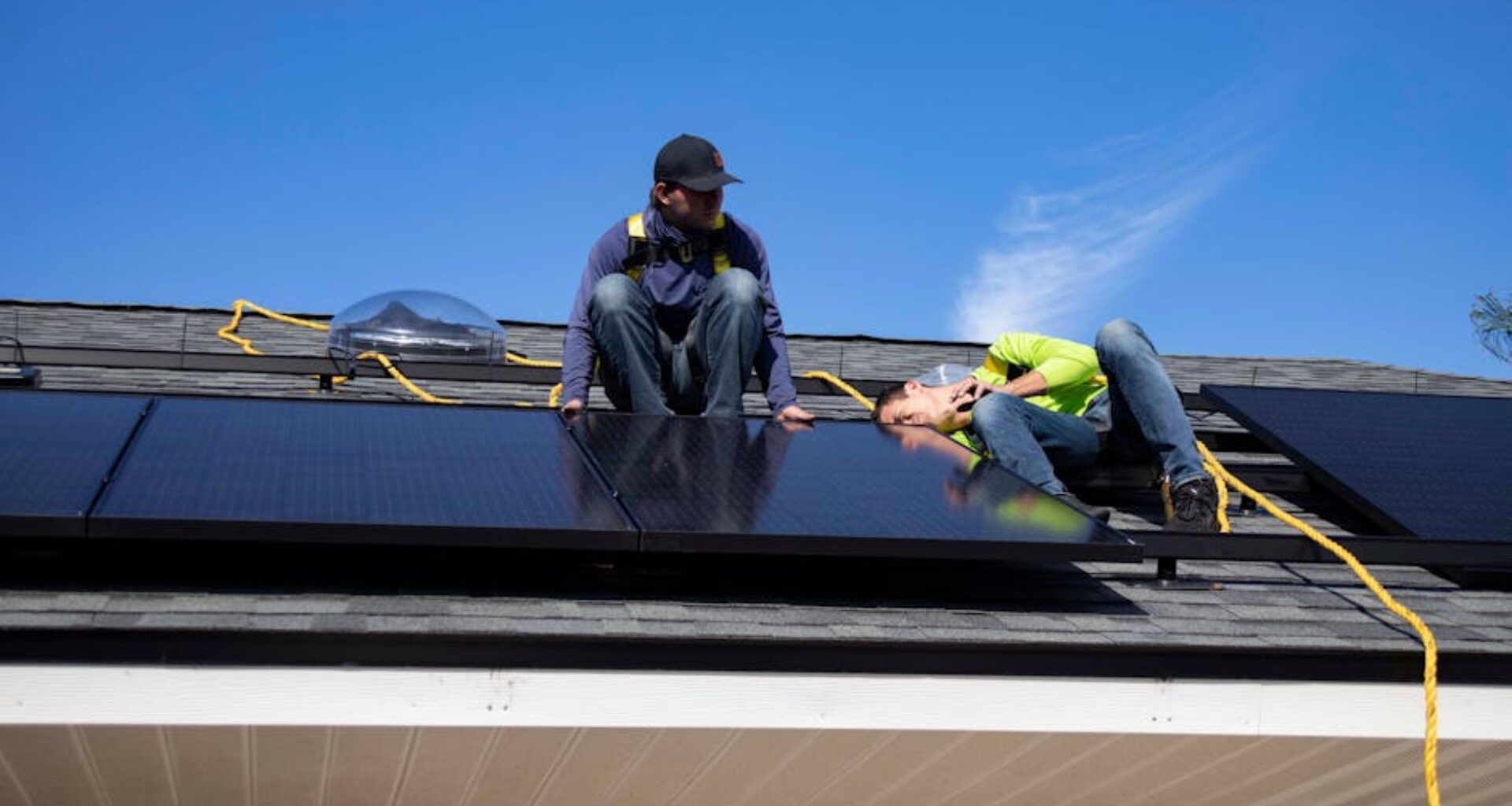
In East Lansing, Michigan, homeowners like Ann Siegle are experiencing a dramatic reduction in their electricity bills after investing in solar energy. Siegle, who previously paid between $150 and $280 monthly for power, now reports bills as low as $6 since installing solar panels on her roof in 2023. Despite the upfront cost of $26,000 for the solar system, Siegle views the investment as a long-term solution to escalating energy expenses.
This shift towards renewable energy comes amid growing concerns over the affordability of energy for Michigan residents. While former President Donald Trump’s tax refund initiatives offered some financial relief, local Democratic leaders argue these measures have done little to address the systemic crisis affecting energy costs. The limited scope and temporary nature of tax refunds fail to provide sustainable solutions for families struggling with rising utility bills.
Experts emphasize that investments in clean energy infrastructure, alongside supportive policies, are essential to combating energy poverty and advancing sustainable development goals. Solar power installations not only reduce household expenses but also contribute to climate action by decreasing reliance on fossil fuels.
Michigan’s experience reflects a broader national challenge where energy affordability intersects with environmental sustainability. Encouraging the adoption of renewable energy technologies, coupled with policies that support low-income households, is critical in ensuring equitable access to clean and affordable energy as outlined in SDG 7. Policymakers and stakeholders are urged to focus on long-term strategies rather than short-term financial relief to effectively tackle the energy affordability crisis.