



 UN
UN
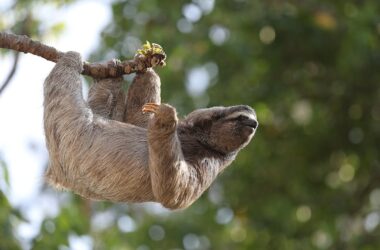
In 2015, a series of photographs captured on the Bird’s Head Peninsula in Indonesian Papua revealed a small, enigmatic primate-like animal with notably large hands. Initially puzzling scientists due to its resemblance to the slow loris—a species not native to New Guinea—this creature sparked renewed interest in the rich biodiversity of the region. Recent efforts have confirmed the rediscovery of this elusive species, highlighting not only the island’s unique fauna but also the critical importance of Indigenous knowledge in wildlife conservation.
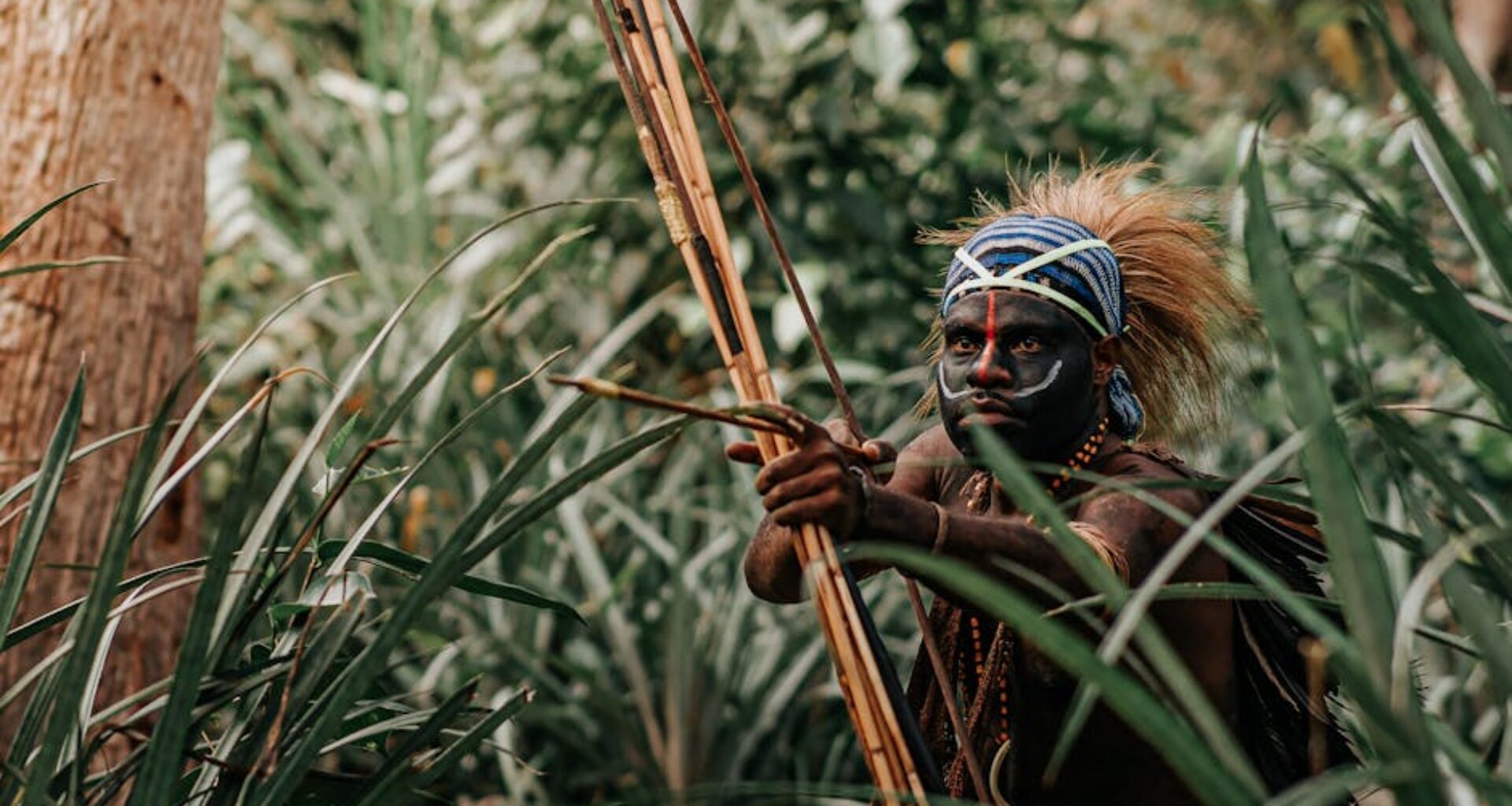
Papua, located in the western half of New Guinea, is recognized as a global biodiversity hotspot, home to numerous endemic species. However, many of these species remain poorly documented due to the region’s remote and challenging terrain. Indigenous communities have long possessed intricate understanding of local ecosystems, having coexisted sustainably with these environments for generations. Their insights were instrumental in guiding researchers to the rediscovery of this animal, underscoring the value of traditional ecological knowledge in complementing scientific methods.
This rediscovery arrives at a crucial time as Papua faces increasing environmental pressures from deforestation, mining, and infrastructure development. Conservation experts emphasize that integrating Indigenous perspectives into environmental management strategies is essential for preserving the island’s biodiversity and supporting sustainable development, aligning with Sustainable Development Goal 15: Life on Land.
Moreover, the case exemplifies how fostering partnerships between scientists and Indigenous peoples can enhance biodiversity monitoring and protection. As Dr. Maya Santoso, a conservation biologist involved in the research, notes, “Indigenous communities are the stewards of these ecosystems. Their knowledge not only enriches our scientific understanding but is vital for crafting effective conservation policies.”
This rediscovery serves as a reminder of the interconnectedness between cultural heritage and environmental stewardship. Supporting Indigenous rights and knowledge systems is not only a matter of social justice but a strategic approach to safeguarding our planet’s biodiversity for future generations.