


 UN
UN
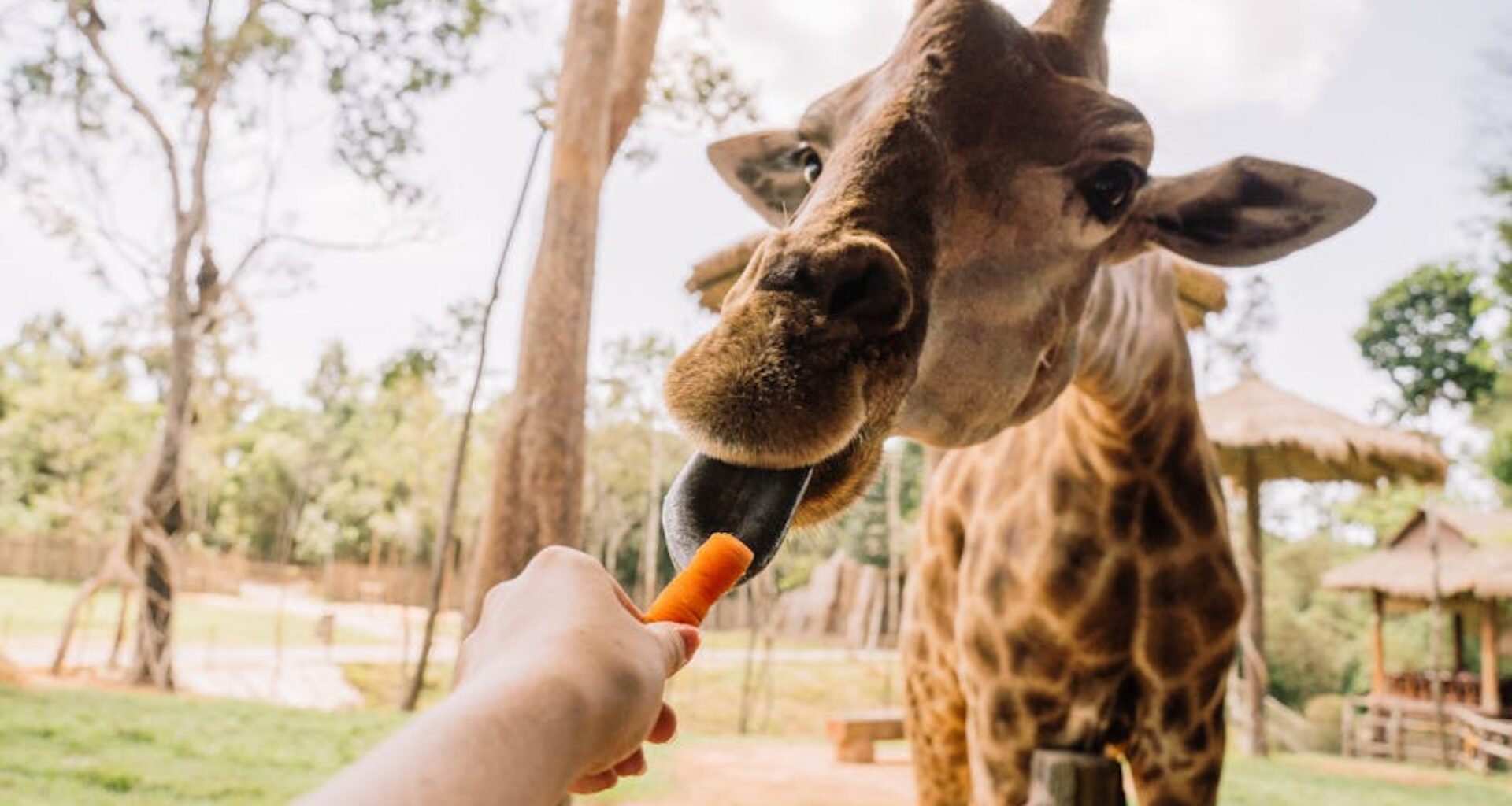
Kenya’s reticulated giraffes, an iconic and endangered species, are facing increasing threats not only from habitat loss and illegal hunting but also from emerging conflicts with local communities. Recent research conducted in northeastern Kenya highlights a growing challenge: as human populations expand and natural resources become scarcer, giraffes are increasingly venturing into agricultural areas, leading to crop damage and competition for vital water sources.
Reticulated giraffes primarily inhabit arid and semi-arid regions where water is limited, making competition between wildlife and humans inevitable. Farmers in these regions have reported giraffes feeding on crops such as mangoes, which are crucial for local livelihoods. This interaction escalates tensions, as communities perceive giraffes as pests, potentially undermining conservation efforts for this already vulnerable species.
The research team, working closely with local stakeholders, sought to understand the dynamics of this human-giraffe conflict (HGC) and identify strategies to mitigate negative impacts. Their findings emphasize the need for integrated conservation approaches that address both wildlife protection and community welfare. Measures such as the establishment of water points away from farmlands and community education programs are being explored to reduce competition and foster coexistence.
Experts underscore that addressing HGC is vital for achieving Sustainable Development Goals related to biodiversity conservation (SDG 15), sustainable communities (SDG 11), and poverty alleviation (SDG 1). Protecting reticulated giraffes requires balancing ecological needs with human development, ensuring that conservation does not come at the expense of local livelihoods. The study calls for increased investment in community-based conservation initiatives and policy frameworks that support harmonious human-wildlife relationships.
As Kenya continues to champion wildlife conservation, understanding and mitigating emerging conflicts such as these will be crucial. The fate of the reticulated giraffe serves as a poignant example of the complex interplay between environmental sustainability and human well-being in regions where natural and human systems intersect.