UN
UN
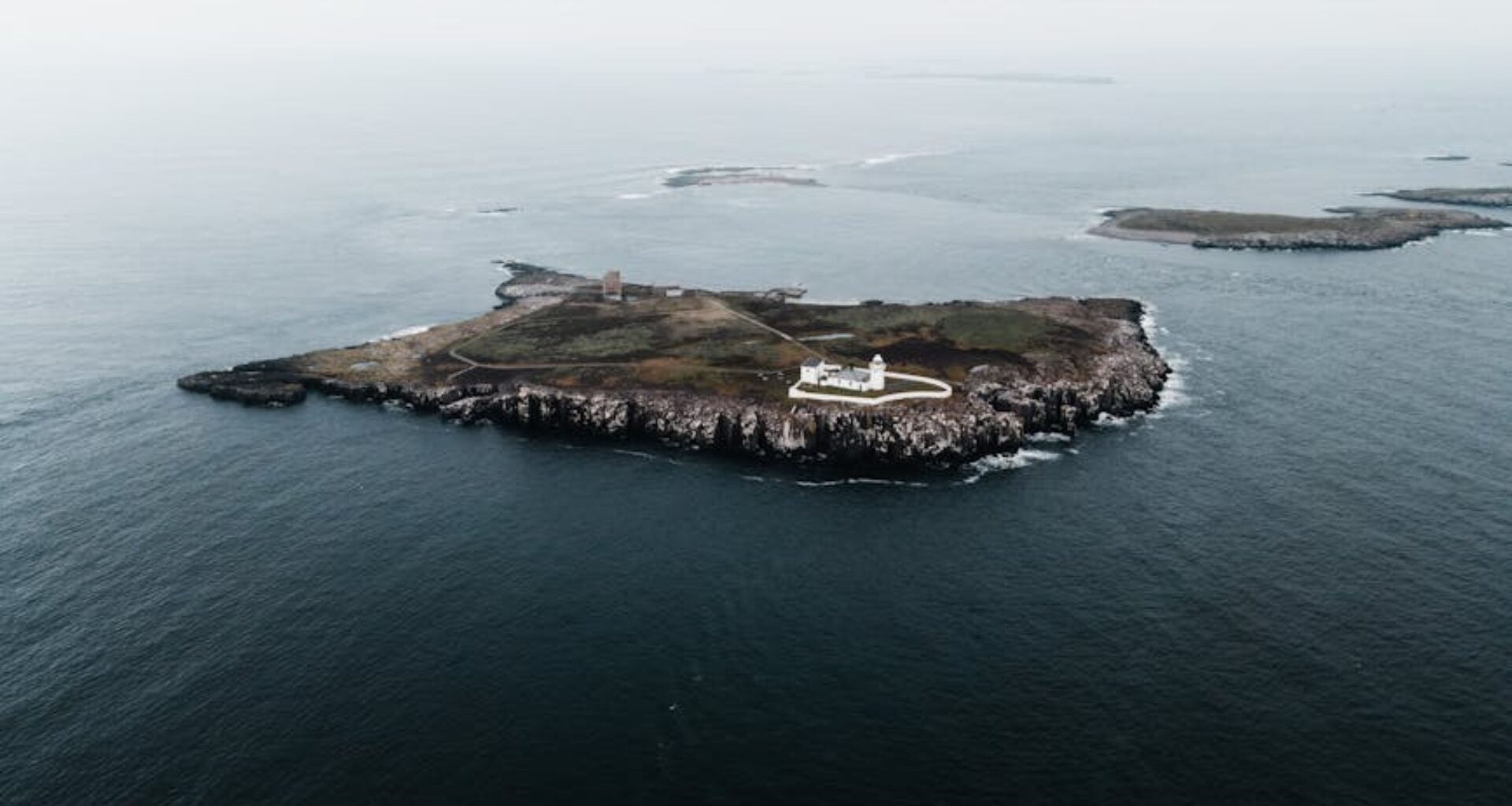
Conservationists have achieved a groundbreaking milestone by completely eradicating invasive feral ferrets from Rathlin Island, located off the northern coast of Northern Ireland. This marks the first documented case worldwide where ferrets, domesticated from European polecats around 2,000 years ago, have been fully removed from an island ecosystem. The successful removal of these nonnative predators is expected to significantly benefit the island’s native seabird populations, which had been severely threatened by ferret predation.
Ferrets (Mustela furo) were initially introduced to Rathlin Island decades ago, possibly as a misguided attempt at pest control or fur farming. However, their presence had unintended ecological consequences, particularly for ground-nesting seabirds such as puffins and razorbills. These bird species are vital components of the island’s biodiversity and contribute to broader marine ecosystem health in the North Atlantic region.
The eradication campaign involved coordinated efforts including trapping, monitoring, and community engagement. Conservation experts emphasized that the approach was carefully designed to minimize disturbance to other wildlife while ensuring no ferrets remained. The success on Rathlin Island sets a precedent for invasive species management worldwide, demonstrating that even elusive carnivores like ferrets can be removed from sensitive habitats with sufficient resources and planning.
This achievement aligns with the United Nations Sustainable Development Goals, particularly SDG 14 (Life Below Water) and SDG 15 (Life on Land), which seek to protect terrestrial and marine ecosystems. Restoring Rathlin Island’s natural balance will support biodiversity conservation and can serve as a model for similar island restoration projects globally. Experts hope this initiative will encourage further investment in invasive species control as a critical tool for safeguarding vulnerable wildlife.
As global biodiversity faces increasing threats from invasive species, the Rathlin Island case underscores the importance of targeted conservation actions. While challenges remain, this success story offers hope and practical lessons for preserving ecological integrity and promoting sustainable coexistence between humans and nature.