




 UN
UN
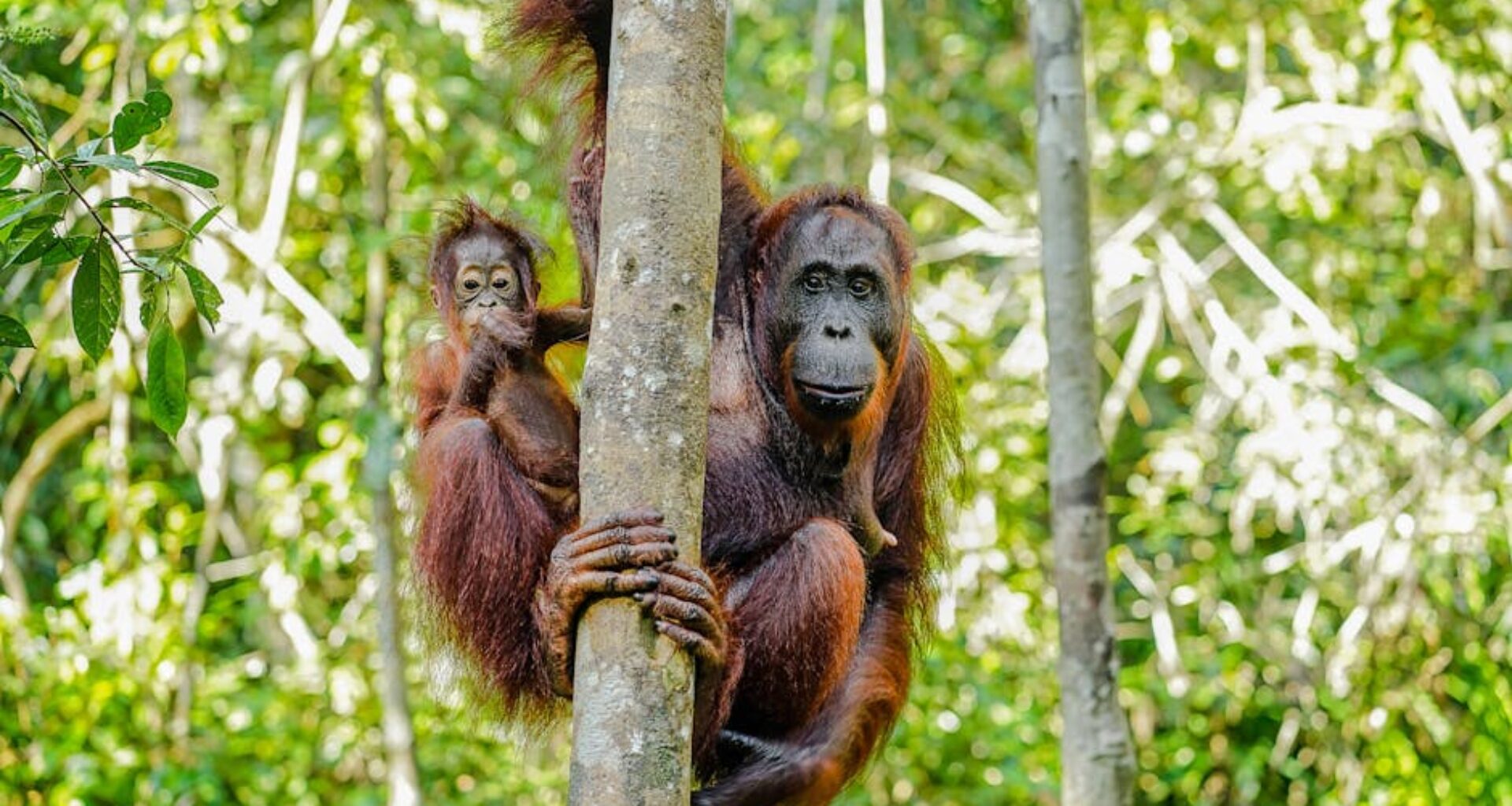
In the Kapuas Hulu district of West Kalimantan, Indonesia, a novel conservation initiative is reshaping local engagement with wildlife protection. The pilot program, known as KehatiKu—which plays on the Indonesian words for “my heart” and “biodiversity”—aims to incentivize residents to support orangutan conservation by providing financial rewards for photographic evidence of the endangered primates.
Developed by a scientific consultancy led by biologist Erik Meijaard, this approach seeks to transform traditional perceptions of orangutans from being viewed as pests or sources of conflict to valued components of the local ecosystem. By allowing community members to earn money through positive wildlife encounters, KehatiKu fosters a sense of stewardship and demonstrates the economic benefits of biodiversity preservation.
The model addresses critical challenges faced by conservation efforts in Borneo, where habitat loss and human-wildlife conflict threaten orangutan populations. By directly involving local communities in monitoring and protecting these animals, the program also promotes sustainable livelihoods, aligning with the United Nations Sustainable Development Goals related to life on land (SDG 15) and decent work and economic growth (SDG 8).
While still in its early stages, the pilot has shown promising signs of community participation and increased awareness about the importance of biodiversity. Experts emphasize that such innovative, community-centered models could be essential in reversing biodiversity decline, particularly in biodiversity hotspots like Borneo where traditional conservation methods have had limited success.
As global biodiversity loss accelerates, initiatives like KehatiKu offer practical lessons in integrating conservation with economic incentives, ensuring that local populations not only coexist with wildlife but also benefit from their protection. Scaling such programs could play a pivotal role in achieving sustainable development and preserving critical habitats for future generations.