UN
UN
In 2008, a young deep-sea ecologist embarked on a research expedition aboard the MV NorSky to explore the Manus Basin, located off the coast of Papua New Guinea. At that time, the promise of deep-sea mining was captivating scientists and industry alike, seen as a potential solution to meet the growing global demand for critical minerals essential to clean energy technologies and digital infrastructure. However, more than a decade later, this early optimism has given way to a deeper understanding of the ecological significance and vulnerability of these deep-sea environments.
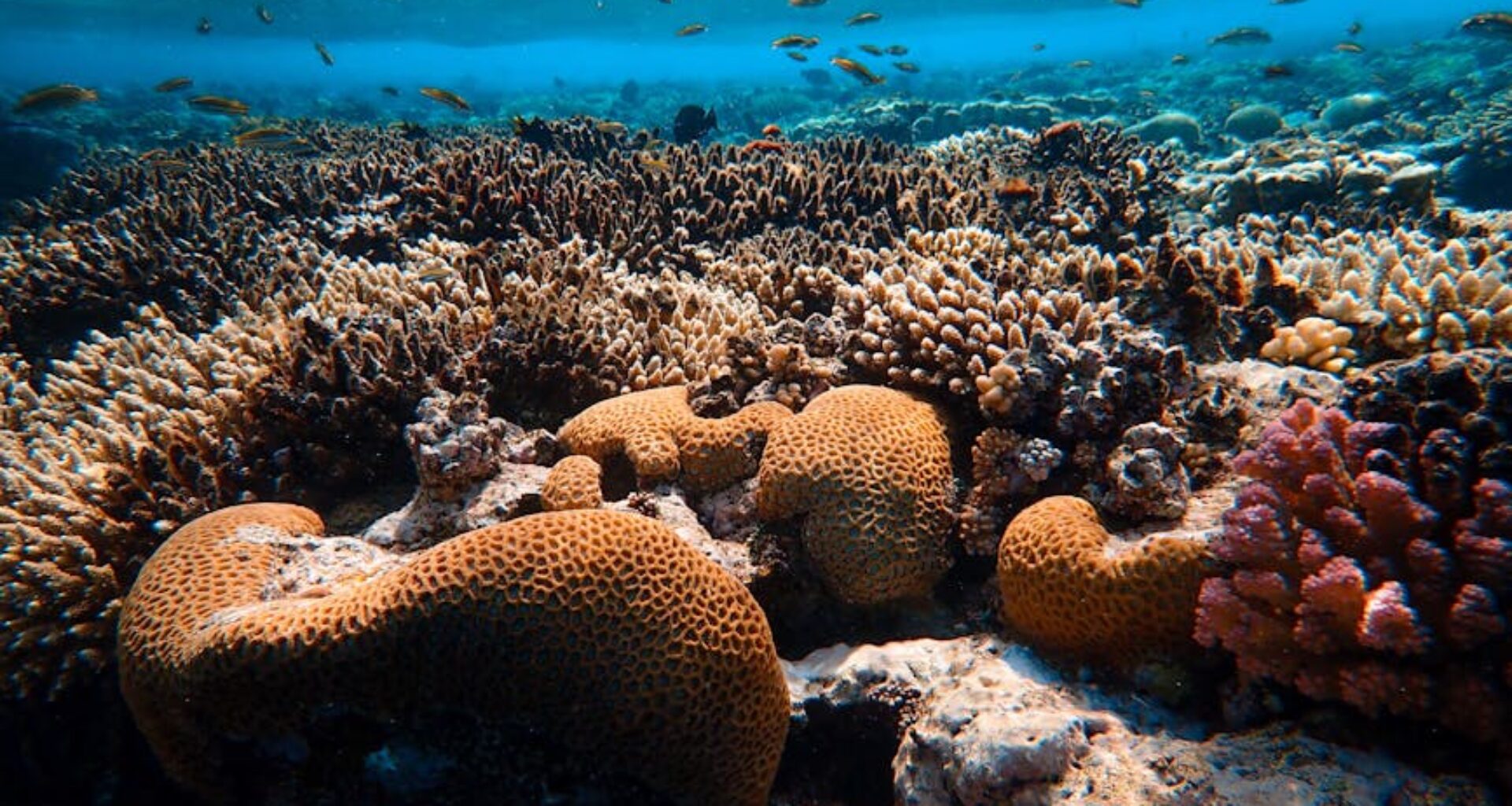
The Manus Basin represents one of the planet’s last great underwater wildernesses, home to unique and poorly understood ecosystems that have evolved in isolation over millions of years. Recent scientific analyses highlight that the ecological costs of seabed mining could far outweigh the economic benefits. Disruption of benthic habitats, loss of biodiversity, and long-lasting sediment plumes threaten the intricate web of life, with potential cascading effects on oceanic health and carbon sequestration processes.
Experts now argue that the irreversible damage to these deep-sea habitats calls for a precautionary approach. The current regulatory frameworks governing seafloor mining remain inadequate to fully assess and mitigate environmental risks, particularly in international waters beyond national jurisdictions. This concern aligns with the broader objectives of the United Nations Sustainable Development Goals (SDGs), especially SDG 14, which emphasizes the conservation and sustainable use of oceans, seas, and marine resources.
Balancing economic growth with environmental stewardship remains a complex challenge. While the demand for minerals critical to renewable energy technologies cannot be ignored, alternative strategies such as improved recycling, reducing consumption, and investing in sustainable mineral sourcing on land must be prioritized. The preservation of deep-sea ecosystems not only safeguards biodiversity but also maintains the ocean’s vital role in climate regulation and global food security.
As policymakers and stakeholders convene to shape the future of deep-sea mining, it is imperative to heed scientific insights and prioritize long-term ecological integrity. Protecting the deep sea wildernesses like the Manus Basin is more than an environmental imperative—it is a commitment to sustainable development that respects the planet’s interconnected life systems for generations to come.