UN
UN
🎙 LISTEN —
Global Renewable Energy Capacity Surpasses 4,000 GW Mark in 2026, Accelerating SDG 7 Progress
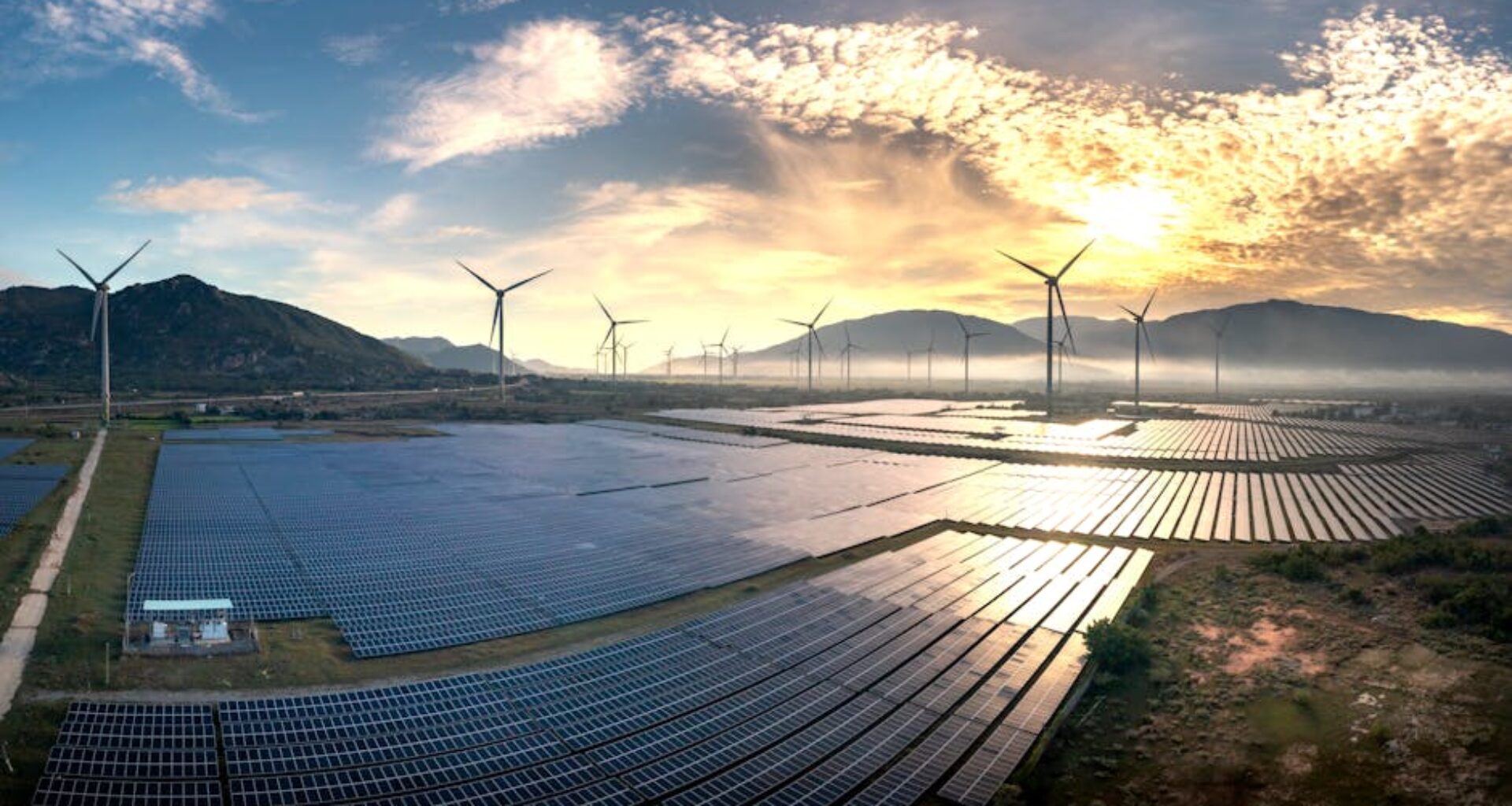
This expansion represents a 10% increase compared to 2025, driven primarily by large-scale investments in solar photovoltaic (PV) and onshore wind projects across Asia, Europe, and the Americas. China, the United States, and India remain the largest contributors to new capacity additions, with developing countries also accelerating their renewable energy deployment through international partnerships and innovative financing mechanisms. As of mid-2026, solar capacity accounts for over 40% of the global renewable energy mix, highlighting its growing affordability and scalability.
Experts emphasize that this progress is crucial in the context of climate change mitigation efforts. Dr. Fatima El-Hassan, a renewable energy policy analyst at the United Nations Environment Programme (UNEP), stated, “Reaching 4,000 gigawatts is not only a testament to technological advances but also a critical step in reducing global carbon emissions. However, ensuring equitable access to this clean energy remains a challenge that requires coordinated policy support and investment focused on energy poverty alleviation.”
Despite this progress, barriers persist, including grid integration challenges, regulatory hurdles, and the need for enhanced energy storage solutions. Moreover, the COVID-19 pandemic and geopolitical tensions have intermittently disrupted supply chains and financing flows, slowing deployment in some regions. Nevertheless, multilateral initiatives like the Clean Energy Ministerial and ongoing commitments under the Paris Agreement are expected to sustain momentum.
The surpassing of the 4,000 GW mark signals a promising trajectory toward fulfilling SDG 7 by 2030. As countries continue to prioritize renewable energy infrastructures and phase out fossil fuel subsidies, the global community moves closer to achieving universal access to clean, affordable energy, a cornerstone for sustainable development and climate resilience.