



 UN
UN
🎙 LISTEN —
Innovative Urban Farming Initiatives Boost Food Security in Rapidly Growing Cities
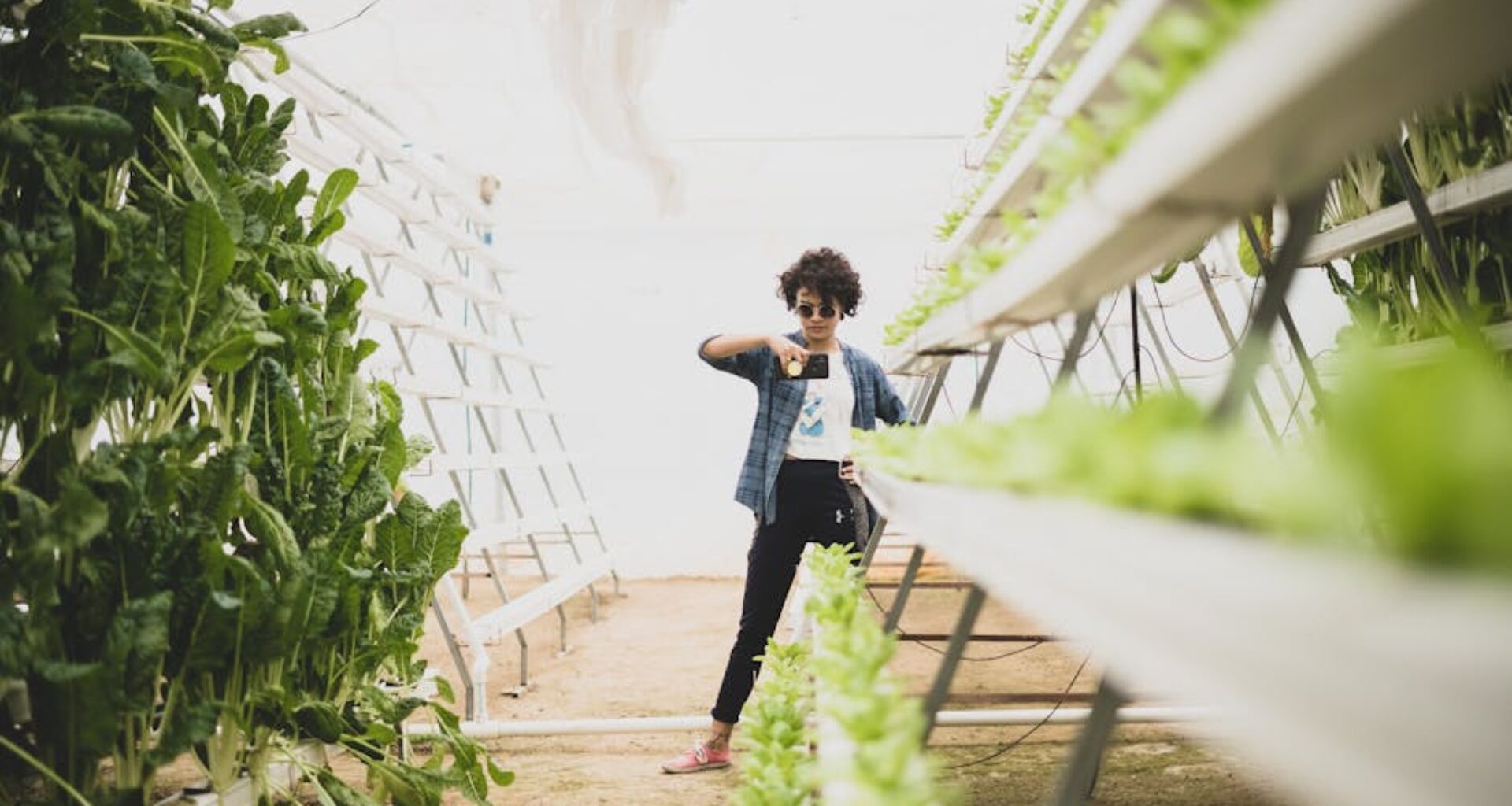
Innovative urban farming methodologies are leveraging technology and community engagement to maximize productivity in limited spaces. Vertical farming, which stacks crops in controlled indoor environments, allows year-round production while using up to 95% less water than traditional agriculture. For example, Singapore’s commitment to “30 by 30”—an ambition to produce 30% of its nutritional needs locally by 2030—is driving investments in high-tech indoor farms that integrate AI and hydroponics. Similarly, Nairobi’s urban agriculture sector, where nearly 50% of city dwellers participate in some form of urban farming, serves as a model of how informal city farming can contribute significantly to local food systems.
Experts emphasize that urban farming’s role extends beyond food availability to include social and environmental benefits. Dr. Maria Gonzalez, an urban agriculture researcher at the University of Barcelona, notes, “Urban farms improve community health by providing fresh, nutrient-rich food while also reducing urban heat islands and increasing biodiversity.” In many cities, these projects offer economic opportunities and promote social inclusion by engaging marginalized groups, including women and youth, in sustainable livelihoods.
Despite promising advances, challenges remain. Access to land, regulatory barriers, and initial investment costs can limit widespread adoption of urban agriculture. Furthermore, ensuring equitable distribution of benefits and maintaining food safety standards require coordinated policy frameworks. To overcome these obstacles, partnerships between municipal governments, private sector innovators, and local communities are essential. International agencies, including the FAO and UN-Habitat, are actively supporting knowledge sharing and capacity building to scale urban farming initiatives globally.
In sum, as urban populations surge toward an estimated 68% of the world’s total by 2050, innovative urban farming represents a critical strategy to bolster food security and sustainability in cities. By transforming underutilized urban spaces into productive landscapes, these initiatives contribute directly to multiple Sustainable Development Goals, including SDG 2 (Zero Hunger), SDG 11 (Sustainable Cities and Communities), and SDG 13 (Climate Action). Ensuring continued investment and inclusive policies will be key to unlocking the full potential of urban farming worldwide.