



 UN
UN
🎙 LISTEN —
Global Renewable Energy Capacity Surpasses 5,000 GW Mark, Accelerating SDG 7 Progress
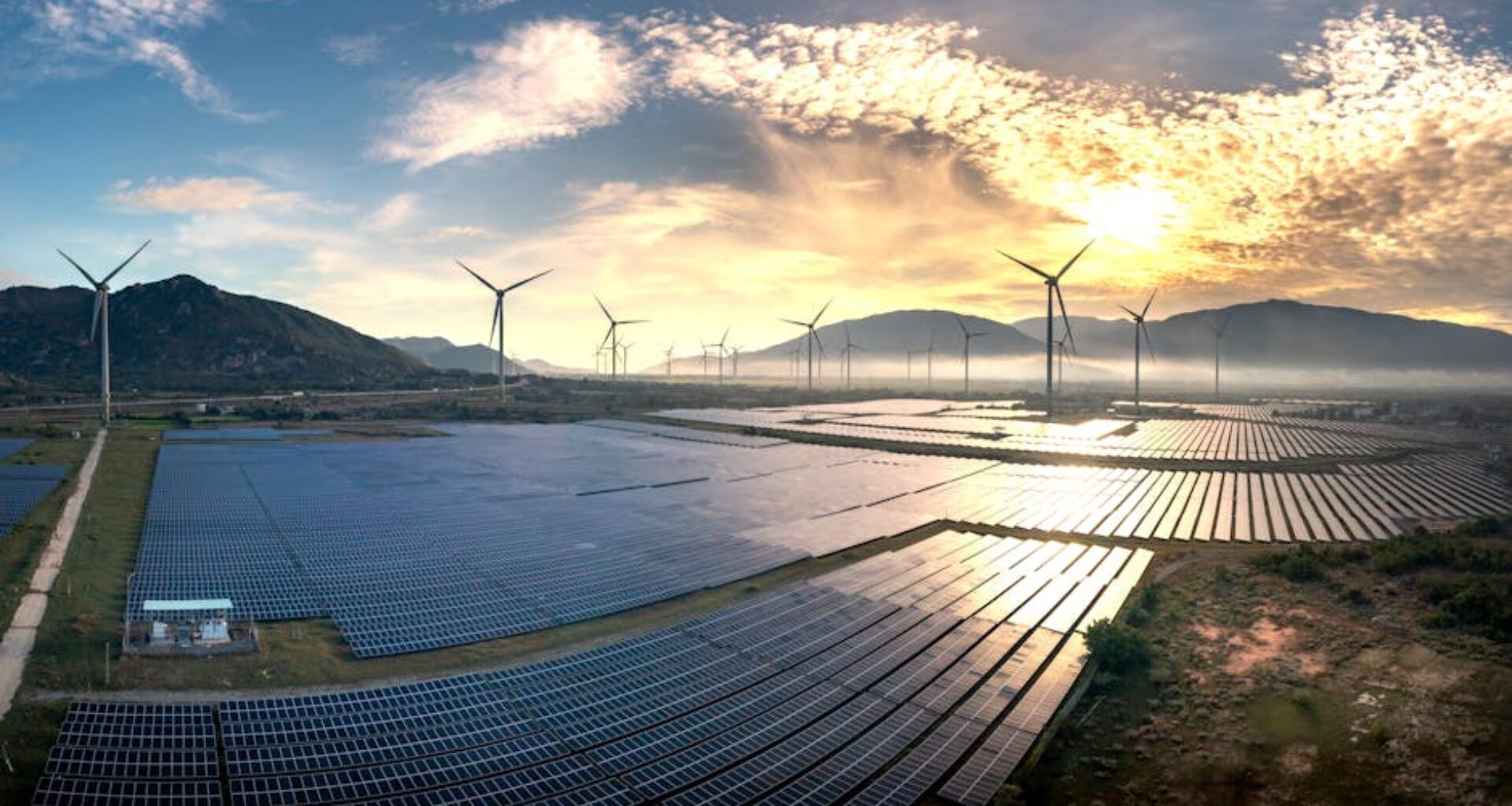
The increase in renewable capacity is driven primarily by solar photovoltaic (PV) and wind power installations, which accounted for nearly 85% of the recent growth. Solar capacity alone reached over 1,500 GW globally, making it the fastest-growing energy source. Experts attribute this growth to declining technology costs, favorable policy frameworks, and increased financing from both public and private sectors. Fatih Birol, Executive Director of the International Energy Agency, noted, “The renewable energy revolution is accelerating. Surpassing 5,000 GW of capacity is a testament to the world’s ability to rapidly scale clean energy solutions.”
Despite this progress, challenges remain in ensuring equitable access to renewable energy, particularly in low-income and rural communities. Approximately 770 million people still lack electricity access, underscoring the need for targeted investments and innovative solutions to close the energy gap. Additionally, integrating variable renewable energy into existing grids requires enhanced infrastructure and regulatory support.
Looking ahead, meeting global climate targets and SDG 7 ambitions will depend on maintaining this growth trajectory. Expanding renewable energy capacity aligns closely with SDG 13 (Climate Action) and offers sizable benefits for economic development, job creation, and public health by reducing air pollution. Continuous international cooperation, technological innovation, and inclusive policy approaches will be essential to sustain momentum and ensure that affordable clean energy reaches all populations worldwide.