UN
UN
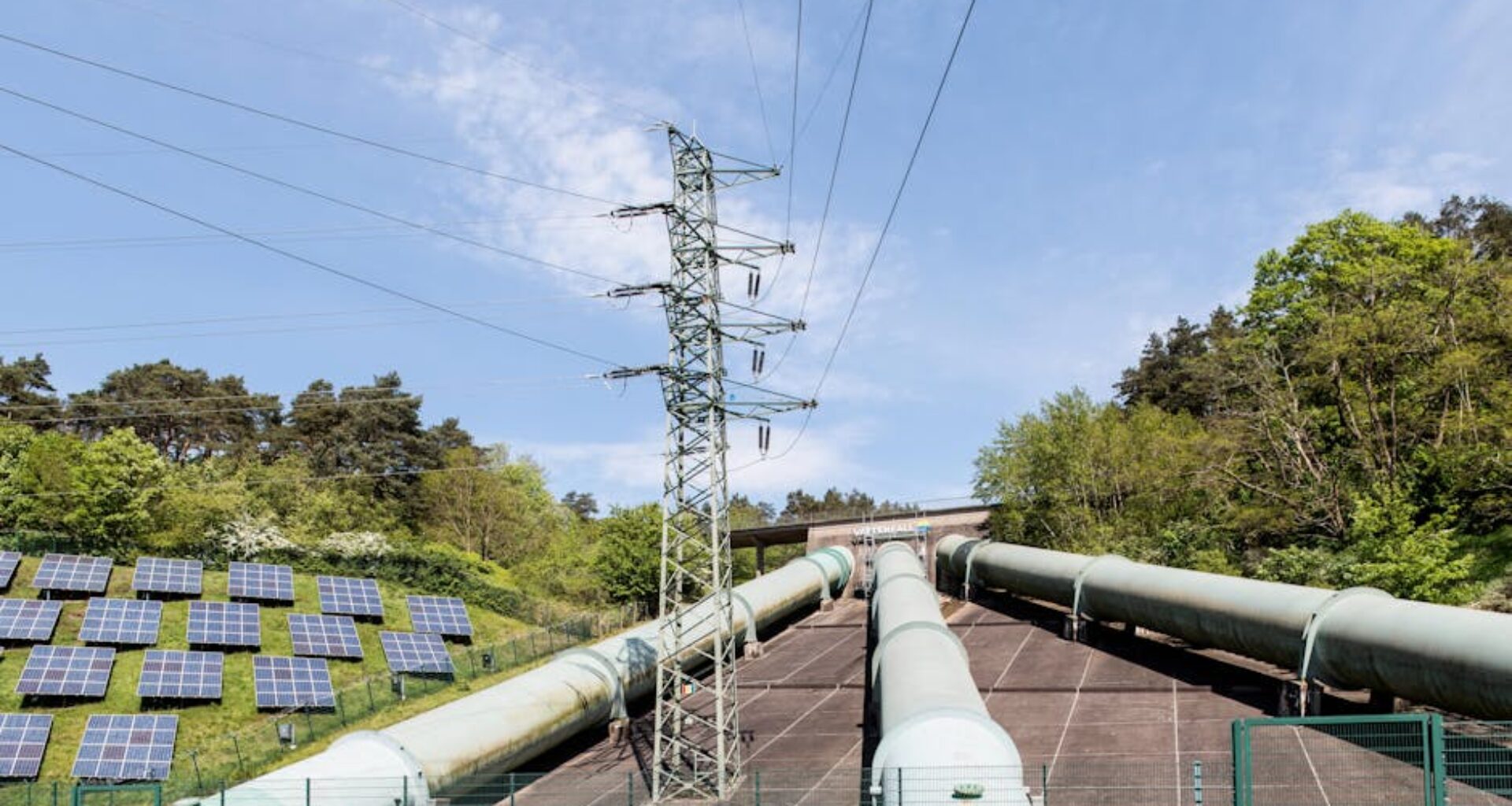
In a decisive move to address ongoing energy challenges, Europe has launched a robust energy crisis plan aimed at securing energy supply while accelerating the transition to sustainable sources. The plan, unveiled amidst geopolitical tensions and volatile fossil fuel markets, emphasizes energy efficiency, diversification of supply, and an unprecedented scale-up of renewable energy infrastructure. This strategic approach aligns with the continent’s commitment to the Paris Agreement and the broader Sustainable Development Goals (SDGs), particularly SDG 7 (Affordable and Clean Energy) and SDG 13 (Climate Action).
Complementing these developments, recent global energy data indicates that renewables have officially overtaken coal as the largest source of electricity generation worldwide. This milestone reflects substantial investments in wind, solar, and other clean energy technologies, driven by policy incentives and declining costs. Experts highlight that this shift not only reduces carbon emissions but also enhances energy security and creates green jobs, marking a critical step towards sustainable economic growth (SDG 8).
Meanwhile, Colombia hosted a significant fossil-fuel summit aimed at addressing the future of fossil fuel production and consumption in the context of climate commitments. The summit brought together government officials, industry leaders, and civil society representatives to discuss pathways for managing the decline of fossil fuels without compromising economic development and social inclusion. The dialogue underscored the complexities faced by emerging economies in balancing development needs with the imperative to reduce greenhouse gas emissions.
These interconnected events underscore the global momentum towards a cleaner energy future while highlighting the challenges of ensuring a just transition for communities dependent on fossil fuel industries. As nations grapple with the dual demands of energy security and climate resilience, integrated policy frameworks and international cooperation will be essential. The developments this week represent both progress and the persistent need for inclusive strategies that leave no one behind in the journey towards sustainable development.