




 UN
UN
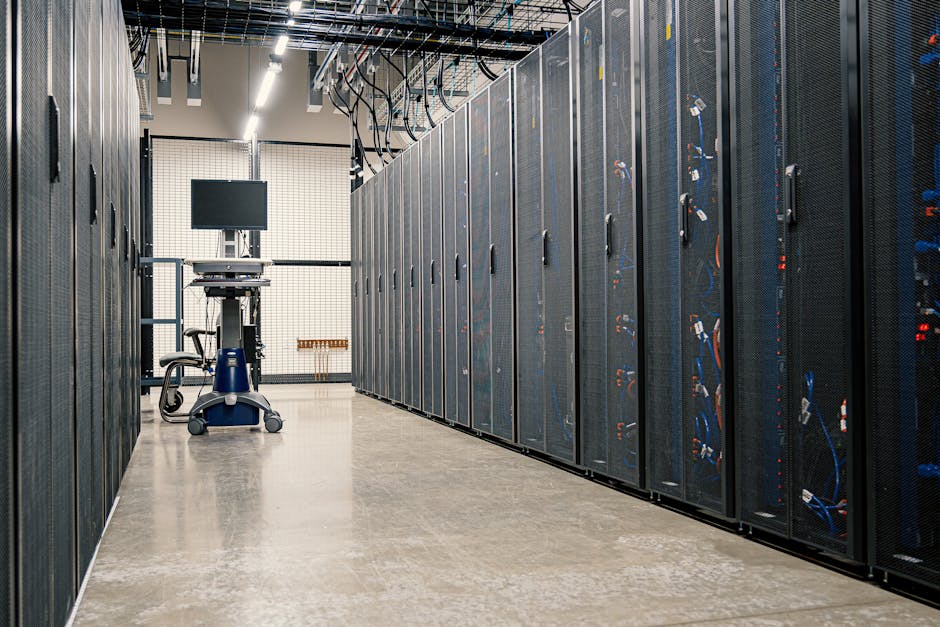
California is experiencing a rapid surge in the construction of data centers, with the state poised to exceed 300 such facilities in the near future. This boom, driven by escalating demand for cloud computing and digital services, has raised critical questions about water availability, particularly in arid regions like Imperial County, located roughly 115 miles east of San Diego. Here, a newly proposed data center has ignited local opposition and highlighted broader sustainability challenges associated with the tech industry’s growth.
Data centers are notoriously water-intensive, relying heavily on water for cooling to ensure servers operate efficiently. In Imperial County, a region already grappling with water scarcity, the proposed facility has prompted concerns among residents and local water authorities about the strain on limited water supplies. Signs opposing the development have appeared in neighborhoods, reflecting community apprehension about potential impacts on local agriculture and residential water access.
Water districts serving the area face the complex task of balancing the needs of expanding industrial users with those of farmers and residents, all under the shadow of California’s recurring drought conditions. Experts warn that without careful management, the proliferation of data centers could exacerbate water stress, undermining efforts to achieve sustainable water use aligned with the United Nations Sustainable Development Goals, particularly SDG 6, which focuses on clean water and sanitation.
Industry representatives argue that data centers are essential to supporting economic growth and digital infrastructure, which align with SDG 8 (Decent Work and Economic Growth) and SDG 9 (Industry, Innovation, and Infrastructure). However, they emphasize the importance of adopting advanced water-saving technologies and sourcing alternatives such as recycled water to mitigate environmental impacts. Policymakers and planners are thus challenged to integrate water resource considerations into infrastructure development, ensuring that the digital economy’s growth does not come at the expense of environmental sustainability and community well-being.
The situation in Imperial County underscores a critical intersection between technological advancement and natural resource stewardship. As California continues to lead in digital innovation, addressing the water demands of data centers will be pivotal in aligning economic ambitions with sustainable development principles.