



 UN
UN

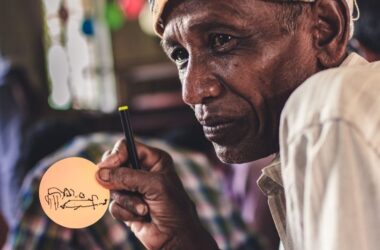
In the northeastern Indian state of Nagaland, a unique traditional food practice highlights the potential of entomophagy—eating insects—as a sustainable protein source. A recent study published in Frontiers in Sustainable Food Systems reveals that orb-weaver spiders are an integral part of the diet of an Indigenous tribe in this region. Described as having a “creamy, nutty” flavor, these spiders contribute significantly to local nutrition and cultural heritage.
Lead researcher Lobeno Mozhui, affiliated with Nagaland University, explained that the consumption of these edible spiders has been passed down through generations. This practice not only provides a valuable protein source in a region where access to diverse animal protein can be limited, but also represents a culturally embedded approach to food security. The spiders are often foraged from the wild during seasonal abundance, reflecting a sustainable harvesting tradition.
The study’s findings align with growing global interest in edible insects as a means to address food insecurity, reduce environmental pressures from conventional livestock farming, and promote sustainable diets. Insects, including spiders, require fewer resources such as land, water, and feed, and emit lower greenhouse gases compared to traditional meat sources.
However, despite the nutritional and environmental benefits, entomophagy remains culturally specific and sometimes stigmatized in many parts of the world. The Nagaland example serves as an important case study illustrating how indigenous knowledge and practices can contribute to achieving Sustainable Development Goal 2, which aims to end hunger and promote sustainable agriculture.
Experts advocate for increased research and policy support to integrate traditional edible insect consumption into broader food systems. Such initiatives could help diversify protein sources globally while respecting cultural contexts. As the global population grows and environmental challenges intensify, sustainable food innovations rooted in indigenous practices offer promising pathways toward resilient and equitable nutrition.