


 UN
UN
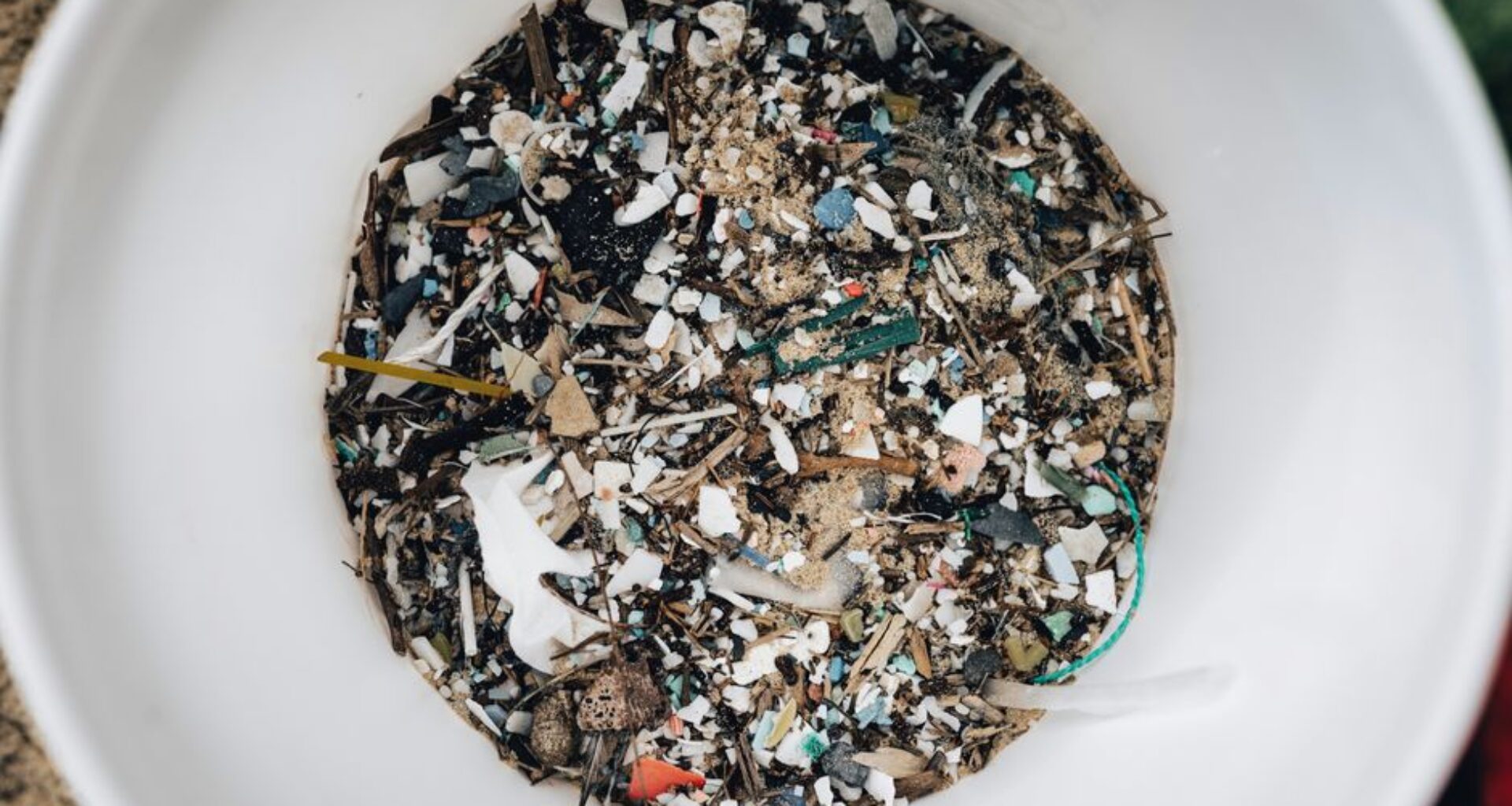
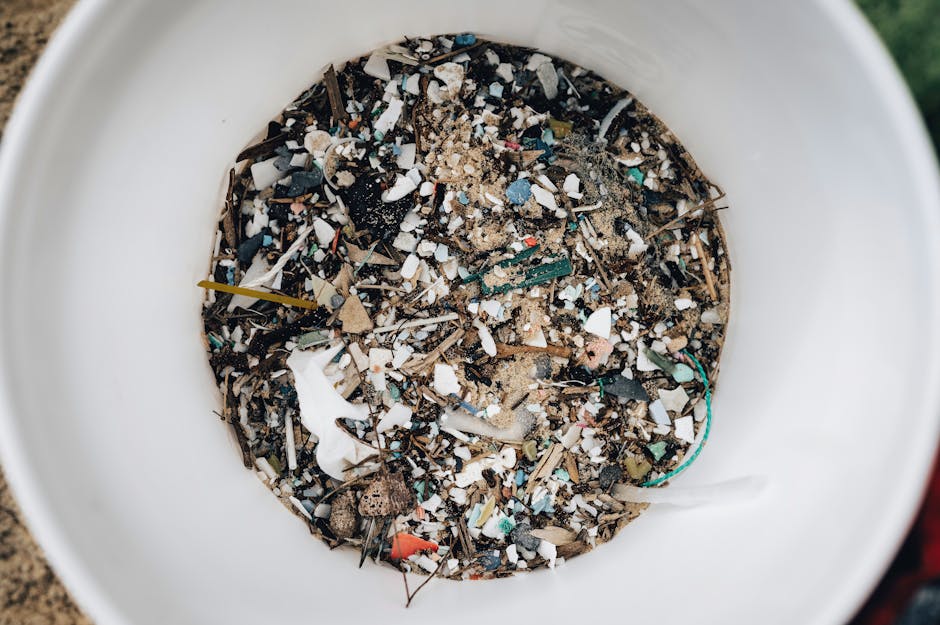
A new study has revealed the presence of microplastics in tadpoles inhabiting ponds within the Amazon Rainforest, marking the first documented evidence of such contamination in these amphibians in the region. This discovery underscores the pervasive nature of microplastic pollution across diverse ecosystems in one of the world’s most vital biodiversity hotspots.
Researchers conducted field sampling in various freshwater habitats across the Amazon and identified microplastic particles not only in the water and sediment but also within the bodies of frog tadpoles. This follows earlier studies that detected microplastics in fish, aquatic invertebrates, soil, and water samples, collectively confirming that microplastic pollution is widespread throughout the Amazonian environment.
Microplastics—tiny plastic fragments less than 5 millimeters in diameter—pose significant threats to wildlife, potentially disrupting growth, reproduction, and ecosystem health. Amphibians such as tadpoles are particularly vulnerable due to their permeable skin and aquatic life stages, making this finding a cause for concern regarding the impacts on Amazonian biodiversity.
The study’s authors highlight that the Amazon, often viewed as an untouched natural sanctuary, is not immune to global plastic pollution trends. Increasing human activities, including urbanization, agriculture, and waste mismanagement, contribute to microplastic infiltration into remote ecosystems. This contamination threatens progress toward Sustainable Development Goal 14 (Life Below Water) and Goal 15 (Life on Land), which aim to conserve aquatic and terrestrial ecosystems respectively.
Experts emphasize the urgent need for enhanced monitoring, pollution control measures, and sustainable waste management in the Amazon basin. Protecting the integrity of these freshwater habitats is essential not only for amphibians but also for the myriad species and indigenous communities that depend on this critical ecosystem. This study serves as a call to action for policymakers, conservationists, and the global community to address plastic pollution comprehensively and preserve the Amazon’s ecological wealth.