

 UN
UN
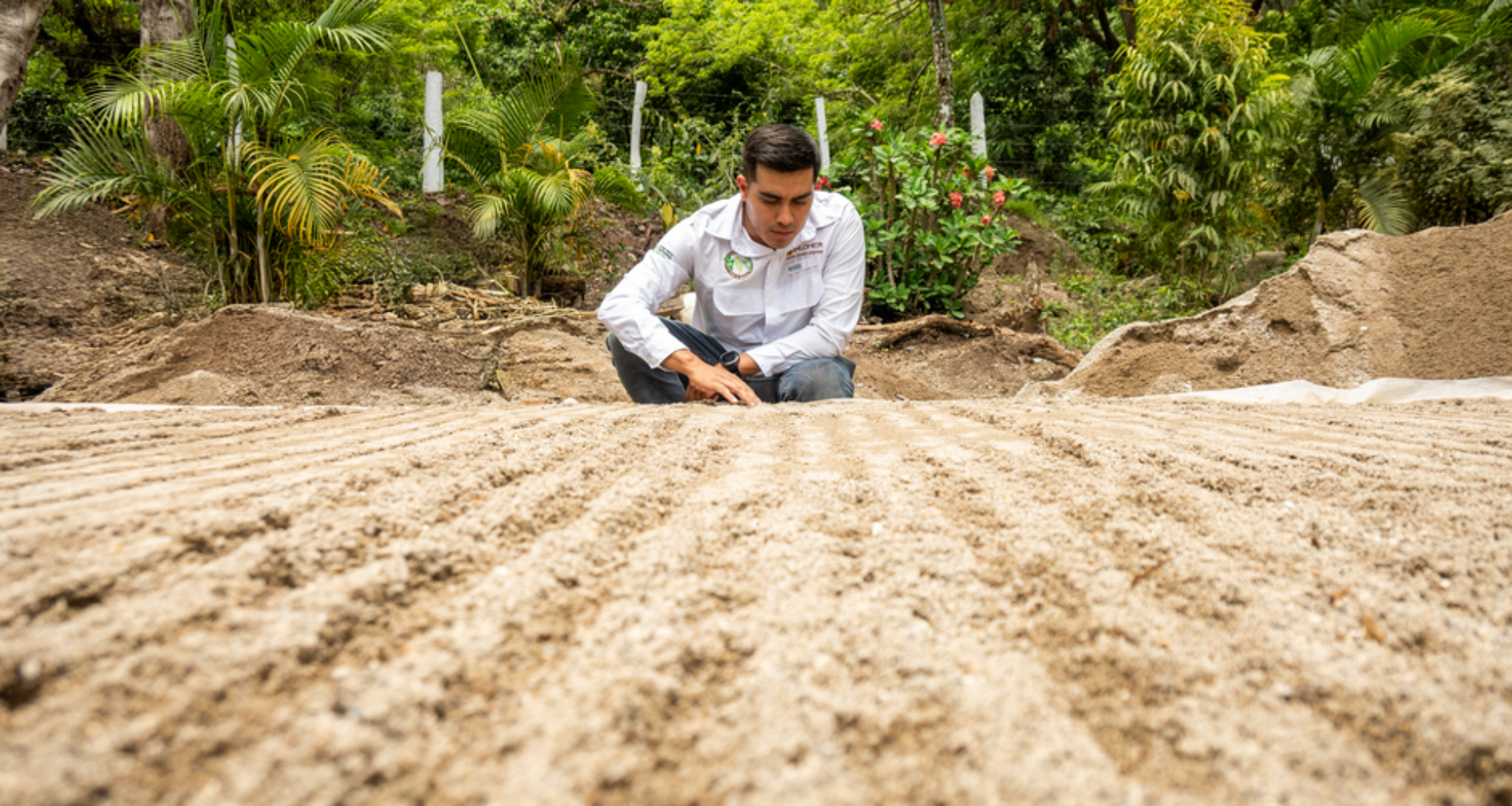

A new global assessment has highlighted the precarious status of soil-dependent species, revealing that approximately 40% are either threatened with extinction or lack adequate data to determine their conservation status. This first-of-its-kind evaluation, based on the International Union for Conservation of Nature (IUCN) Red List criteria, underscores an urgent need to address the biodiversity crisis beneath our feet.
Soil ecosystems are vital reservoirs of biodiversity, harboring nearly 60% of all life on Earth, including a vast array of animals, invertebrates, and fungi. These organisms play crucial roles in maintaining biogeochemical cycles, such as nutrient recycling, carbon sequestration, and soil fertility, which are foundational to sustainable agriculture and ecosystem resilience. The study’s findings suggest that threats like habitat degradation, pollution, climate change, and unsustainable land use are impacting these often-overlooked species with potentially profound implications for global environmental health.
The research also exposes significant gaps in scientific knowledge, as a substantial portion of soil-dependent species are categorized as data deficient. This lack of information hampers effective conservation planning and policy development. Experts emphasize that enhancing research efforts and integrating soil biodiversity into environmental monitoring frameworks are essential steps to safeguard these species and the ecosystem services they provide.
This revelation aligns closely with several United Nations Sustainable Development Goals (SDGs), including SDG 15 (Life on Land), which aims to protect, restore, and promote sustainable use of terrestrial ecosystems. It also highlights the interconnectedness of soil biodiversity with goals related to climate action, zero hunger, and clean water. As nations strive to meet these targets by 2030, prioritizing soil biodiversity conservation will be critical for achieving long-term sustainability and food security.
The study serves as a call to action for policymakers, scientists, and stakeholders worldwide to recognize and protect the vital biodiversity hidden beneath the surface. Without urgent intervention, the loss of soil-dependent species could undermine ecological stability and the wellbeing of human societies that rely on healthy soils.