


 UN
UN
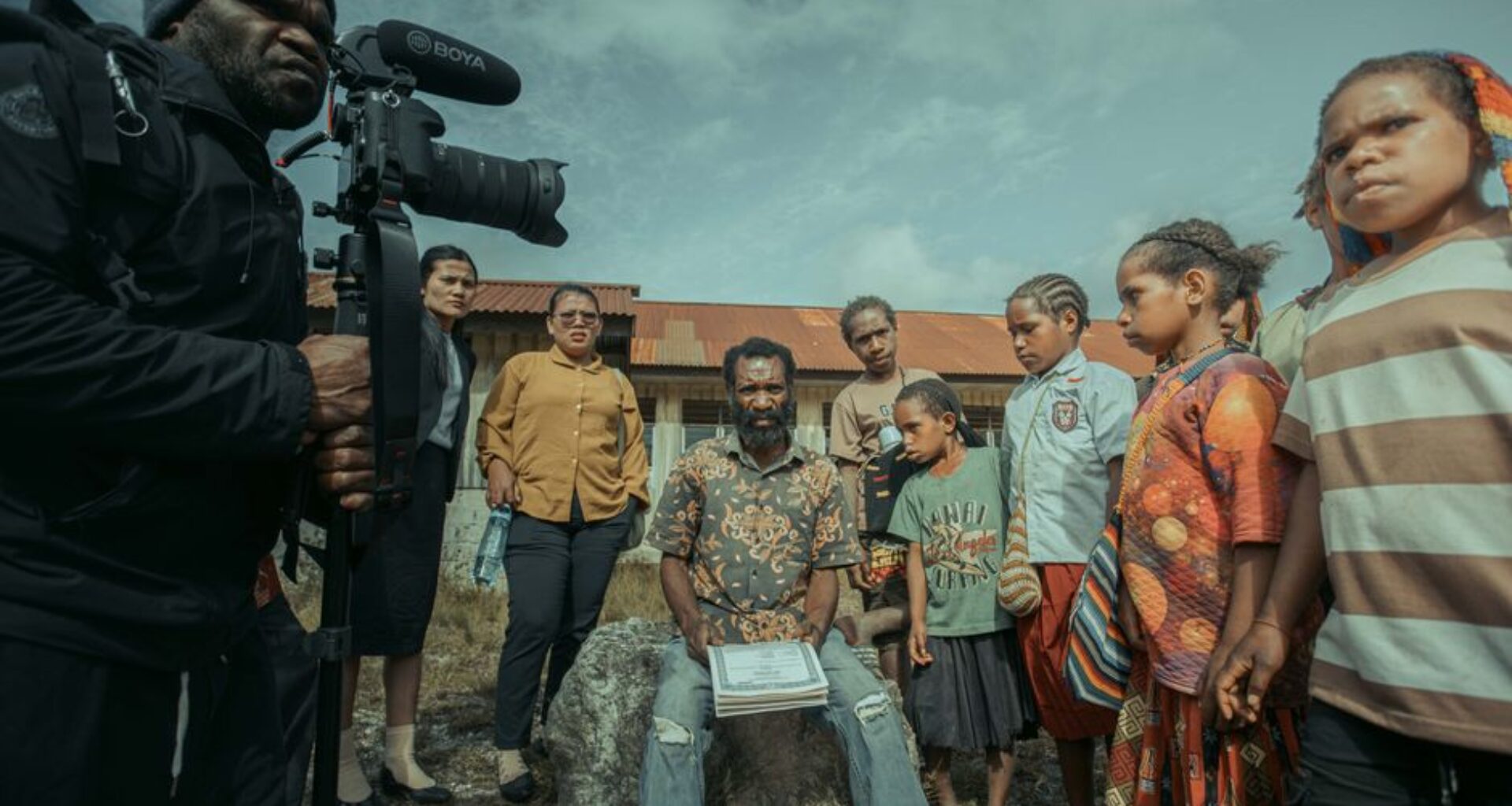

In the heart of Brazil’s Atlantic Forest, a region recognized for both its rich biodiversity and critical conservation challenges, Indigenous youth are wielding a powerful tool for environmental advocacy: filmmaking. Far beyond the traditional uses of a machete, often associated with clearing vegetation or cinematic horror scenes, local young filmmakers have embraced it as a symbol of daily life and cultural identity — slicing green mangoes to share, an image that conveys intimacy and connection with nature.
These youth-led films provide rare, authentic insights into Indigenous relationships with the environment, challenging dominant narratives often shaped by external actors. By documenting their experiences and perspectives, Indigenous filmmakers contribute to a more inclusive and nuanced environmental communication landscape, emphasizing stewardship, cultural heritage, and sustainable living practices. Their stories underscore the importance of respecting Indigenous knowledge systems as vital to biodiversity conservation and climate resilience.
Experts in environmental communication emphasize that such grassroots storytelling can enhance public understanding and engagement with sustainability issues. Indigenous youth voices bring urgency and emotional depth to discussions on forest preservation and environmental justice, which are essential for achieving Sustainable Development Goal 15 (Life on Land) and Goal 13 (Climate Action). Also, their creative expressions highlight how local traditions can inform innovative solutions to global environmental crises.
However, challenges remain, including limited access to filmmaking resources and platforms for broader dissemination. Supporting Indigenous youth in media production and ensuring their inclusion in policy dialogues can amplify their impact. This approach aligns with the United Nations’ call for participatory and culturally sensitive strategies in environmental governance, recognizing Indigenous peoples as crucial partners in sustainable development.
As Brazil and the international community strive to combat deforestation and biodiversity loss, the storytelling of Indigenous youth offers a compelling pathway to foster empathy, awareness, and collaborative action. Their films not only document the realities of life in threatened ecosystems but also inspire a reimagining of humanity’s relationship with the natural world.