



 UN
UN
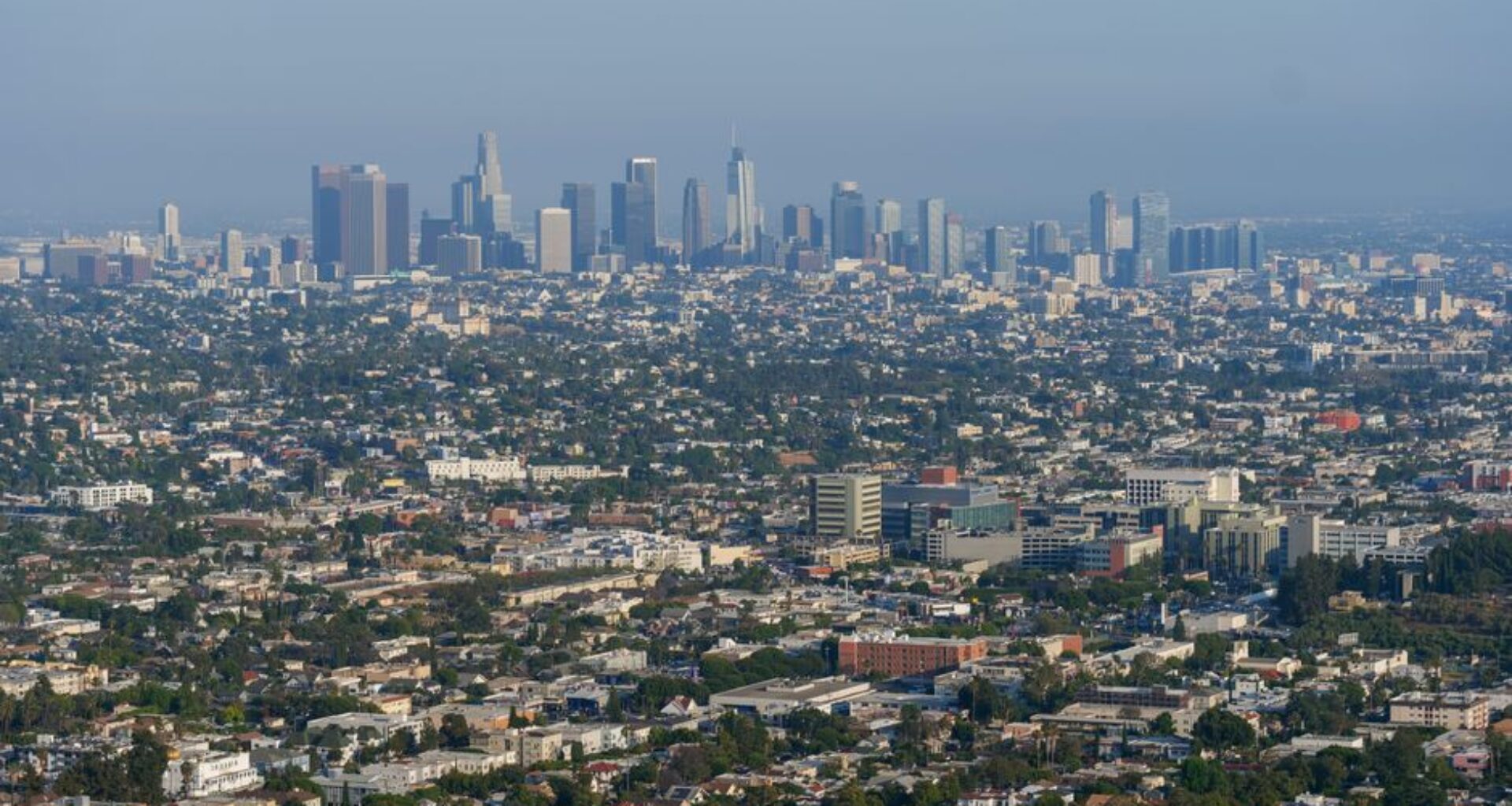
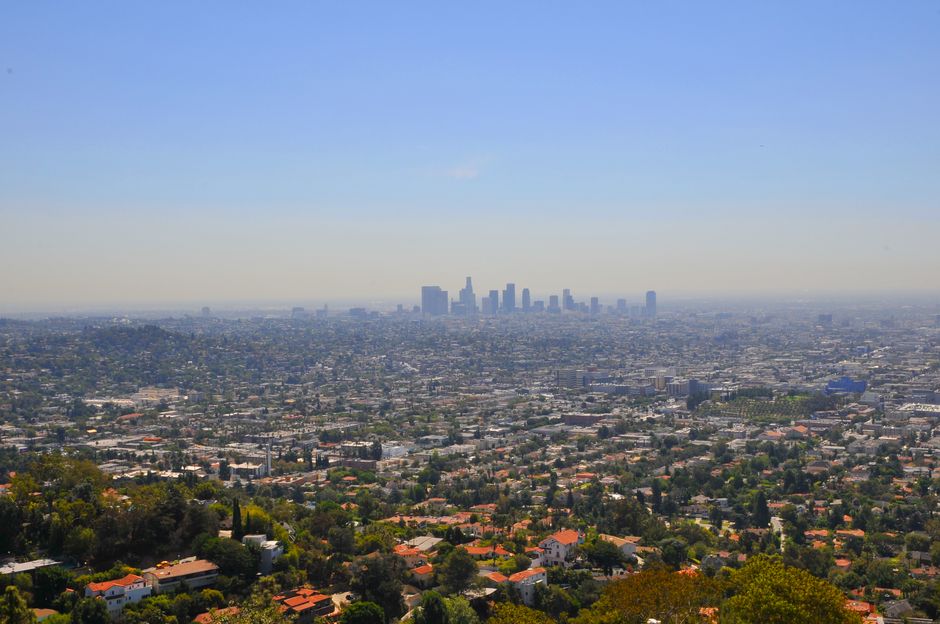
Los Angeles, once infamous for its dense, eye-stinging smog, has made remarkable strides in improving air quality over the past several decades. Ann Carlson, an environmental law professor who grew up in Southern California during the height of the smog crisis, recalls how the thick yellowish-brown haze was an everyday reality that affected residents’ health and visibility. At the time, few understood the complex mix of industrial emissions, vehicle pollution, and meteorological factors driving the city’s infamous air pollution.
The transformation of Los Angeles’ air quality is a testament to sustained policy efforts, technological innovation, and public awareness campaigns. Measures such as stricter vehicle emissions standards, the adoption of cleaner fuels, and regulations targeting industrial pollutants have significantly reduced smog-forming chemicals like nitrogen oxides and volatile organic compounds. According to the California Air Resources Board, ozone levels in the region have dropped by nearly 70% since the 1970s, improving respiratory health outcomes for millions.
Despite this progress, challenges remain. Climate change is exacerbating pollution problems through increased temperatures and more frequent wildfires, which release large amounts of particulate matter and toxic chemicals into the air. Also, disparities persist in air quality across different neighborhoods, often aligning with socio-economic and racial lines. Communities near highways and industrial zones continue to experience higher pollution levels, underscoring the need for equitable environmental policies.
Experts emphasize that Los Angeles’ experience offers valuable lessons for cities worldwide grappling with air pollution. Combating smog requires integrated approaches that combine regulatory enforcement, technological advancement, and community engagement. As cities seek to meet Sustainable Development Goal 3 (Good Health and Well-being) and SDG 11 (Sustainable Cities and Communities), Los Angeles’ journey illustrates that meaningful improvements are possible but demand ongoing commitment and adaptation to emerging environmental threats.