


 UN
UN
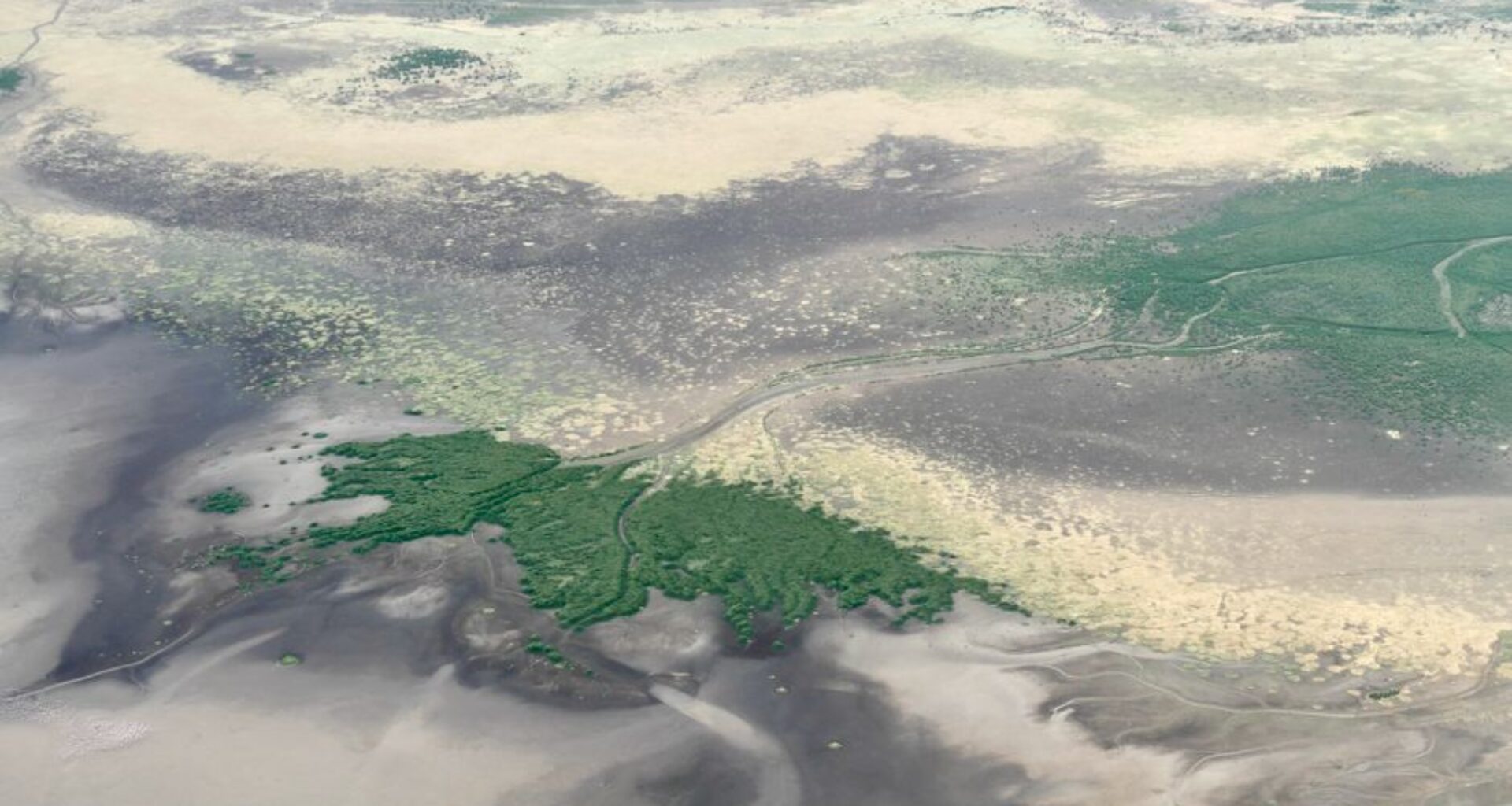

The world’s major river deltas, including the Mekong Delta in Vietnam, are increasingly sinking due to a combination of natural and human-induced factors, posing a significant threat to global food systems and the millions who depend on them. Residents like Lâm Thu Sang from Cần Thơ city, situated near the Mekong River’s mouth, express a deep desire to remain in their homeland, but rising land subsidence and environmental degradation challenge the very possibility of a stable future.
Deltas serve as critical hubs for agriculture and fisheries, supporting dense populations and extensive food production. However, accelerated sinking exacerbated by groundwater extraction, upstream dam construction, sediment deprivation, and climate change-induced sea-level rise has led to increased flooding, saltwater intrusion, and loss of arable land. These dynamics undermine the productivity of vital crops such as rice, threatening food security not only locally but also at global scales given these regions’ contributions to international food markets.
Experts warn that without urgent, integrated management strategies addressing both environmental conservation and sustainable development, the resilience of these deltaic regions will continue to deteriorate. Efforts to restore sediment flow, regulate water use, and implement adaptive infrastructure are critical to preserving the livelihoods of millions and maintaining the agricultural output essential to achieving SDG 2 (Zero Hunger) and SDG 13 (Climate Action).
This crisis underscores the interconnectedness of environmental health and human well-being. As deltas worldwide confront sinking land and shifting ecosystems, global cooperation and investment in sustainable solutions will be vital to safeguard these regions. Ensuring that current and future generations can live and thrive in these fertile landscapes is imperative for a sustainable and equitable food future.