



 UN
UN
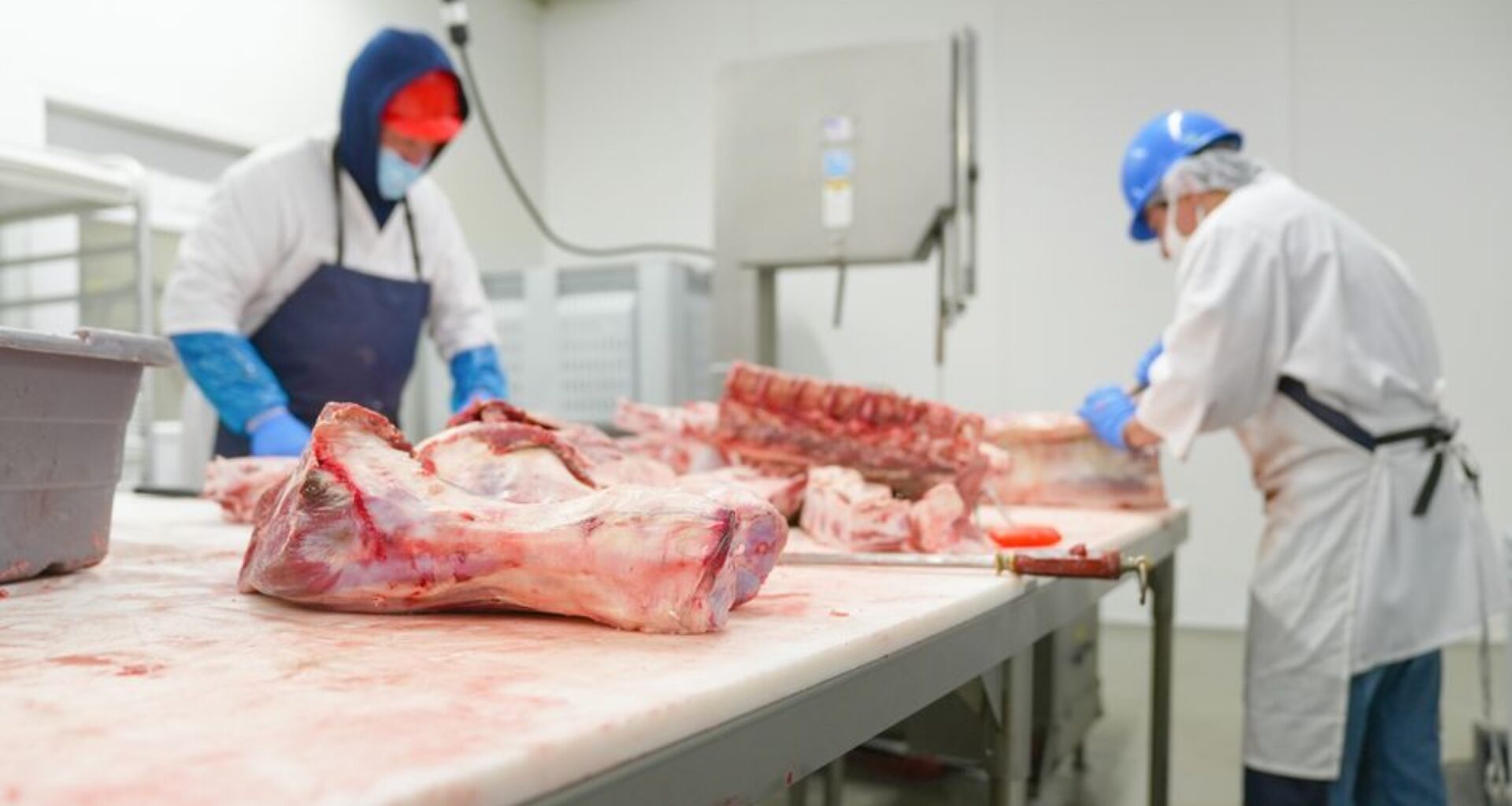

Jill Mauer, a veteran government inspector with over three decades of experience overseeing meat processing facilities, has raised significant concerns about the environmental implications of increasing slaughterhouse line speeds. In recent comments submitted to the U.S. Department of Agriculture (USDA), Mauer highlighted that proposals introduced during the Trump administration to accelerate processing lines could exacerbate existing climate challenges related to meat production.
The meat industry is a substantial contributor to greenhouse gas emissions globally, accounting for roughly 14.5% of anthropogenic emissions according to the Food and Agriculture Organization of the United Nations. Faster line speeds in slaughterhouses may improve operational efficiency but can also intensify environmental pressures by encouraging higher throughput and increased demand for animal products, thereby amplifying resource use and emissions.
Mauer’s warnings come at a critical juncture as the world grapples with the dual imperative of meeting rising food demands while mitigating climate change. Accelerated processing could undermine efforts toward sustainable food systems, potentially compromising animal welfare and worker safety standards while increasing waste and energy consumption.
Experts argue that sustainable solutions must balance productivity with environmental stewardship. Innovations such as improved supply chain management, investment in plant-based protein alternatives, and enhanced regulatory frameworks could help align meat production with the United Nations Sustainable Development Goals, particularly SDG 12 (Responsible Consumption and Production) and SDG 13 (Climate Action).
As policymakers consider the future of meat processing, Mauer’s insights underscore the need for comprehensive assessments that incorporate environmental, social, and economic factors. Addressing the climate footprint of the meat industry remains vital to achieving a resilient and sustainable global food system.