



 UN
UN
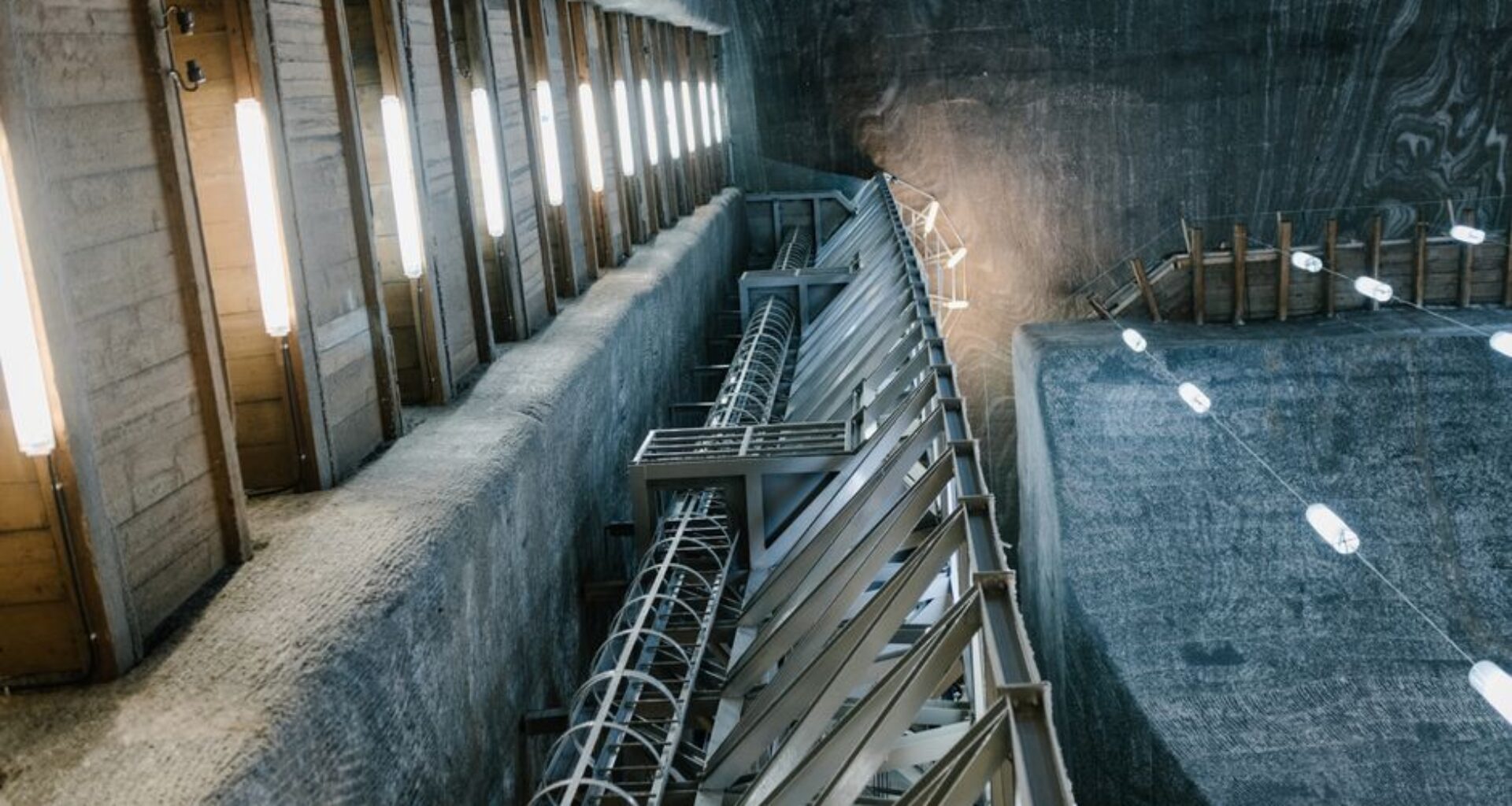
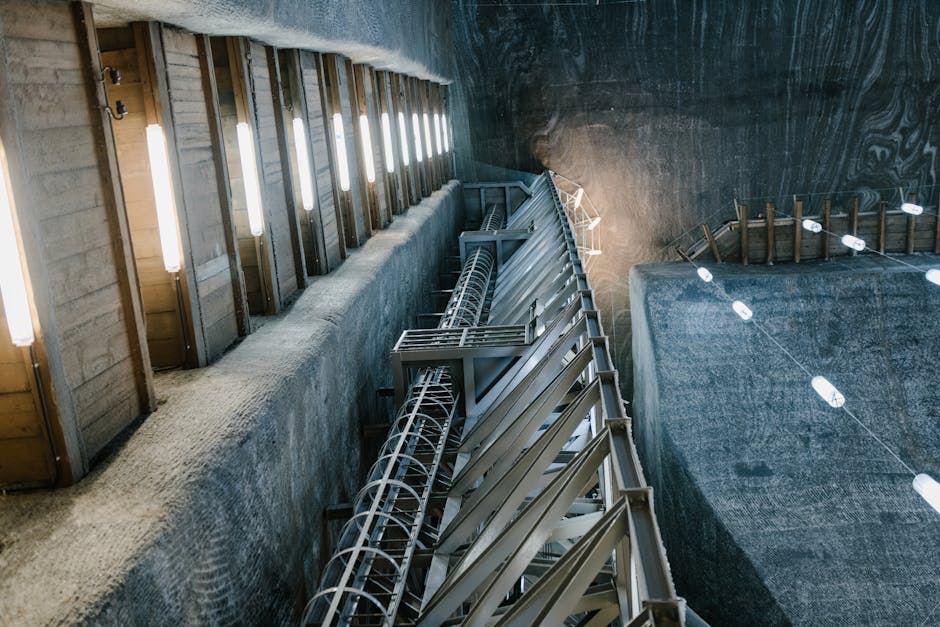
Mining and conservation have traditionally been viewed as conflicting pursuits, often pitting economic development against environmental protection. However, a new documentary titled Overburden challenges this binary perspective by highlighting the intricate and sometimes paradoxical relationship between these activities in the Nimba mountain range of northern Liberia. This region, rich in mineral resources and biodiversity, serves as a compelling case study of how mining operations can both threaten and support conservation efforts.
The Nimba Mountains are home to unique ecosystems and endangered species, making conservation critical for maintaining biodiversity. Yet, the area also hosts significant iron ore deposits, attracting mining interests that provide vital economic opportunities for local communities and the national economy. Overburden explores how mining revenues have been channeled into conservation initiatives, creating a symbiotic relationship that is fraught with both promise and challenges.
While mining-funded conservation projects have helped preserve parts of the landscape and support local livelihoods, the film does not shy away from addressing the environmental degradation and social disruptions caused by extractive activities. The documentary underscores the complexity of balancing immediate economic benefits against long-term sustainability goals, a dilemma faced by many resource-rich regions worldwide.
Experts emphasize that this case illustrates the importance of integrated approaches that align mining practices with conservation objectives. Effective governance, community engagement, and transparent benefit-sharing mechanisms are crucial to ensuring that mining can contribute positively to sustainable development without irreparably harming ecosystems. Overburden thus invites a nuanced dialogue on reconciling development and environmental stewardship, highlighting lessons applicable beyond Liberia’s borders.
As the world seeks to achieve the Sustainable Development Goals, particularly those related to responsible consumption and production (SDG 12), life on land (SDG 15), and decent work and economic growth (SDG 8), understanding such complex interactions is essential. The Nimba Mountains story challenges policymakers, industry stakeholders, and conservationists to rethink traditional paradigms and explore innovative pathways toward more sustainable coexistence between mining and nature conservation.