


 UN
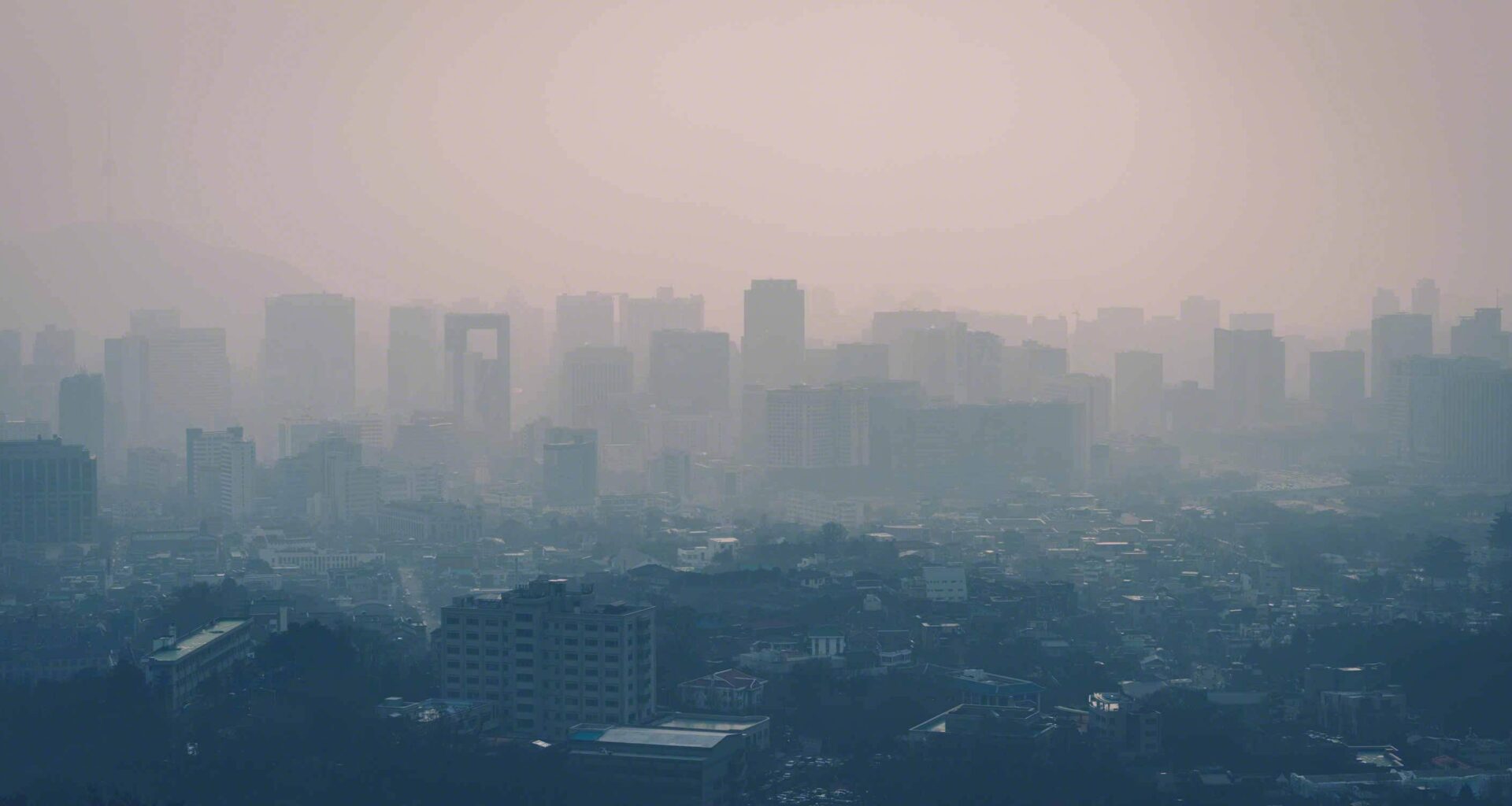
New research suggests that policies aimed at reducing air pollution in African countries could improve public health while also cutting greenhouse gas emissions. Scientists highlight that investments in clean energy and sustainable transportation could save billions of dollars in healthcare costs and deliver significant economic benefits.
Addressing air pollution and climate change simultaneously could generate substantial economic and social benefits for African countries, alongside important environmental improvements.
Research reviewed by environmental scientists Chris Malley, Caroline Sawe and Kevin Hicks shows that coordinated policies across the energy, transportation, industry and agriculture sectors could improve air quality while reducing greenhouse gas emissions.
The researchers emphasize that reducing pollution could ease pressure on healthcare systems, limit working days lost to illness and increase economic productivity.
Air Pollution Remains a Major Public Health Challenge
According to the 2025 State of Global Air report, which analyzed data from 2023, nearly one million people in sub-Saharan Africa died prematurely from causes linked to air pollution.
Air pollution is considered one of the region’s leading public health risk factors, ranking behind malnutrition in its contribution to health risks.
Children and older adults are particularly vulnerable to the harmful effects of polluted air.
In many parts of the region, wood, charcoal and other polluting fuels used for household cooking and heating are major sources of human-generated air pollution.
Industrial activities, transportation, energy production and waste management also contribute to deteriorating air quality.
Clean Air Investments Could Deliver Major Economic Benefits
The research examined 25 potential measures across energy, industry, transportation, agriculture, household cooking and heating, and waste management.
In some parts of southern Africa, every dollar invested in reducing air pollution could generate approximately $26 in economic benefits.
These benefits include lower healthcare costs, fewer working days lost due to illness and improved productivity.
Implementing all 25 measures across southern Africa could cost approximately $11 billion by 2035. However, researchers suggest that the total economic benefits could significantly outweigh the investment required.
The findings highlight how air pollution policies can generate returns that extend beyond environmental protection.
One Policy Can Support Multiple Sustainable Development Goals
Many activities responsible for air pollution also release greenhouse gases that contribute to climate change.
Expanding access to clean cooking technologies, improving public transportation systems and reducing dependence on fossil fuels could therefore help countries achieve several environmental and development objectives at the same time.
Experts emphasize that integrating climate policies with public health and development strategies could produce more effective results, particularly in countries with limited financial resources.
The research also highlights the importance of recognizing the combined benefits of cleaner air and reduced greenhouse gas emissions when making investment decisions.
By addressing these challenges together, African countries could protect public health, strengthen economic productivity and accelerate progress toward sustainable development.
The findings suggest that investing in clean air is not only an environmental necessity but also an opportunity to support economic development and improve well-being across the continent.