



 UN
Representatives of Indigenous communities from the Amazon region have called on the United Nations to strengthen international measures against illegal mining, deforestation and organized crime. Indigenous leaders warn that environmental crimes threaten not only natural ecosystems but also the lives, rights and safety of local communities.
Indigenous communities across the Amazon Basin are urging the international community to take stronger action against the growing presence of organized criminal networks in forest regions.
Representatives of Indigenous peoples from Peru, Brazil, Colombia and Ecuador attended the 13th Conference of the Parties (COP13) to the United Nations Convention against Transnational Organized Crime, held in Vienna, Austria, from October 19 to 23, to advocate for a new international framework addressing environmental crimes.
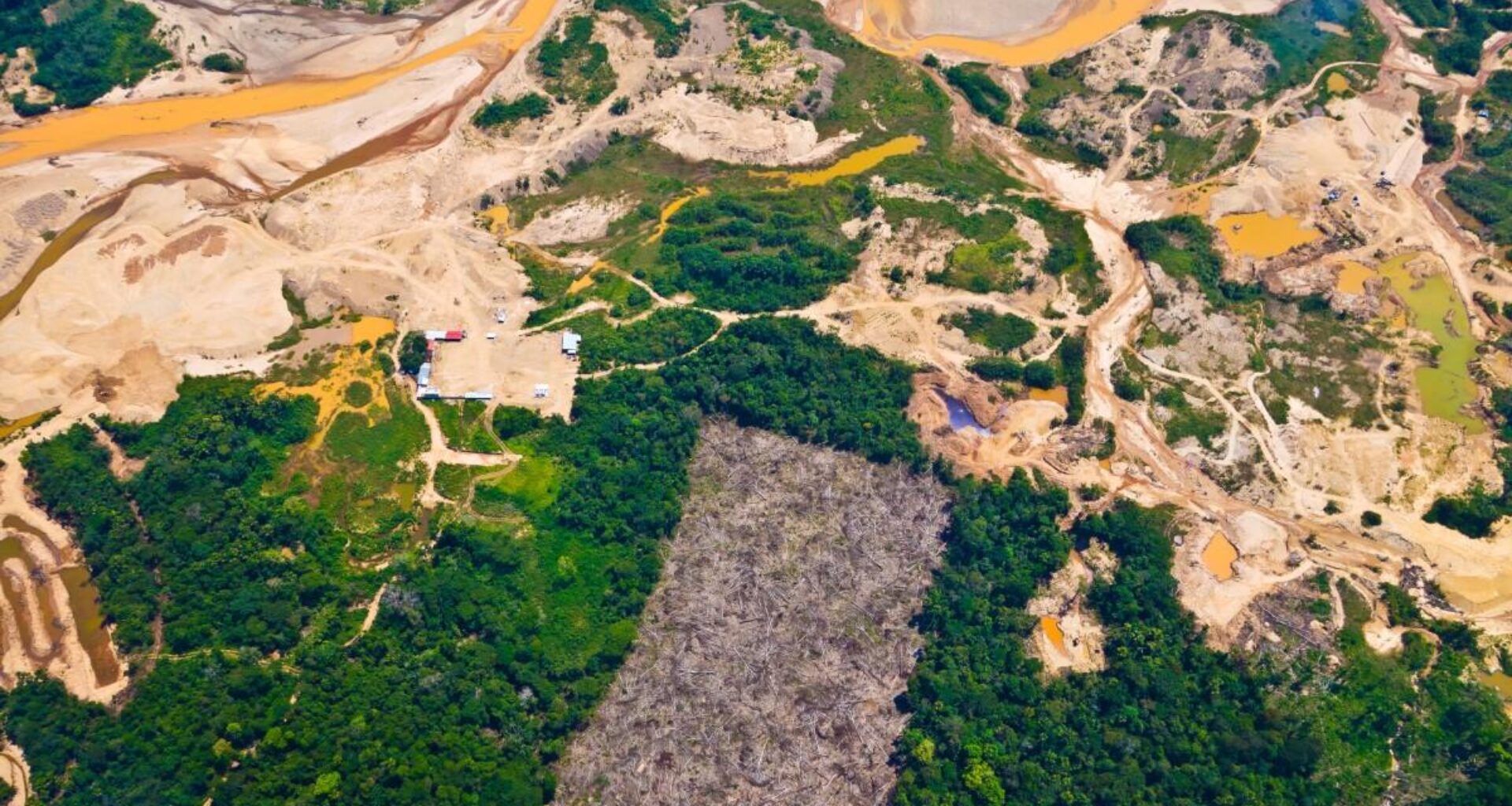
The representatives highlighted how illegal gold mining, logging and drug trafficking are accelerating environmental destruction across the Amazon rainforest.
Illegal Mining Threatens Water Resources
Criminal networks operating in the Amazon frequently use mercury in illegal gold mining operations, contaminating rivers and freshwater systems.
For Indigenous communities that depend on rivers for drinking water and fishing, this pollution poses serious risks to human health and food security.
Representatives of the Wampis people in Peru say they have established monitoring checkpoints in their territories to combat illegal mining and deforestation. However, threats from armed groups have created significant security challenges.
Violence Against Environmental Defenders Raises Concerns
According to figures reported by the international human rights organization Global Witness, at least 124 land and environmental defenders were killed worldwide in 2025, including 105 in Latin American countries.
These figures highlight the security risks facing Indigenous communities working to protect natural resources and ancestral territories.
Regional representatives argue that security operations alone are not enough to combat environmental crime. They emphasize the need to target the financial networks that support and profit from illegal activities.
Indigenous Communities Demand a Voice in Decision-Making
At the Vienna conference, delegates are considering the possibility of launching negotiations for a new international protocol addressing environmental crimes.
Indigenous leaders stress that policies aimed at protecting forests cannot achieve lasting results without the meaningful participation of the communities who live in and depend on these ecosystems.
The Amazon rainforest plays a vital role in the global climate system due to its exceptional biodiversity and significant carbon storage capacity.
Preventing deforestation in the region is therefore essential not only for protecting local ecosystems and Indigenous livelihoods but also for addressing the global climate crisis.
The call from Amazon Indigenous communities underscores the importance of international cooperation, environmental justice and Indigenous participation in protecting one of the world’s most critical ecosystems.